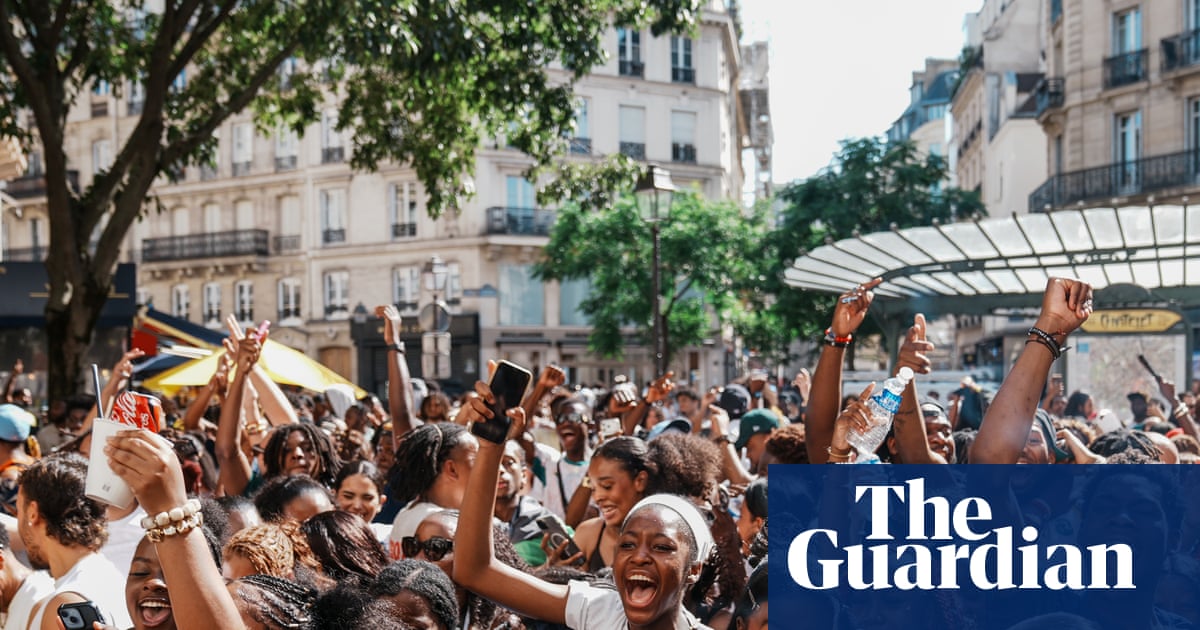
The Fête de la Musique, an annual celebration of live music held across France every June 21, has evolved from its 1982 state-sanctioned roots into a major international cultural event that increasingly serves as a focal point for the Black diaspora in Europe. Originally launched by the French Ministry of Culture to encourage amateur and professional musicians to perform in public spaces for free, the festival now draws diverse crowds to Paris, with a notable increase in visitors from the United Kingdom seeking to experience a broad spectrum of Francophone and global Black music genres.
According to the official French Ministry of Culture, the event was established by former Minister of Culture Jack Lang and composer Maurice Fleuret to ensure that music would be “everywhere and the concert nowhere.” While the festival remains a government-sanctioned initiative, its growth has been accelerated by social media platforms and the rising global popularity of genres such as amapiano, zouk, shatta, and French Afrobeats. This shift has transformed the streets of Paris into a massive, decentralized stage, where the sounds of the Black diaspora have become a defining element of the urban atmosphere.
The Evolution of a Grassroots Cultural Phenomenon
What began as a localized effort to promote musical accessibility has expanded into a global phenomenon. The City of Paris facilitates the event by allowing performances in public parks, squares, and streets, provided they adhere to noise regulations and safety guidelines. The lack of a centralized ticketed venue means that the festival’s success relies on the spontaneity of performers, ranging from amateur street musicians to established DJs utilizing portable sound systems.
The influx of international visitors, particularly from the UK, has brought new attention to the event’s cultural impact. Observers note that the festival’s open nature allows for the intersection of diverse musical traditions. Genres like zouk—a style of dance music originating from the French Caribbean islands of Guadeloupe and Martinique—and the more recent, high-energy shatta movement, have found a significant audience among both local Parisians and the visiting diaspora. This cross-pollination of sound is a key reason for the event’s continued relevance in the digital age, as fans utilize social media to track spontaneous pop-up performances across the capital.
Managing Scale and Commercialization
As the Fête de la Musique reaches larger audiences, questions regarding its sustainability and the potential for commercial interference have surfaced. While the festival remains free, the scale of the crowds in popular districts like Châtelet and Le Marais has led to increased logistical challenges for municipal authorities. The Préfecture de Police routinely coordinates security and traffic management measures to ensure public safety during the festivities, which often extend late into the night.
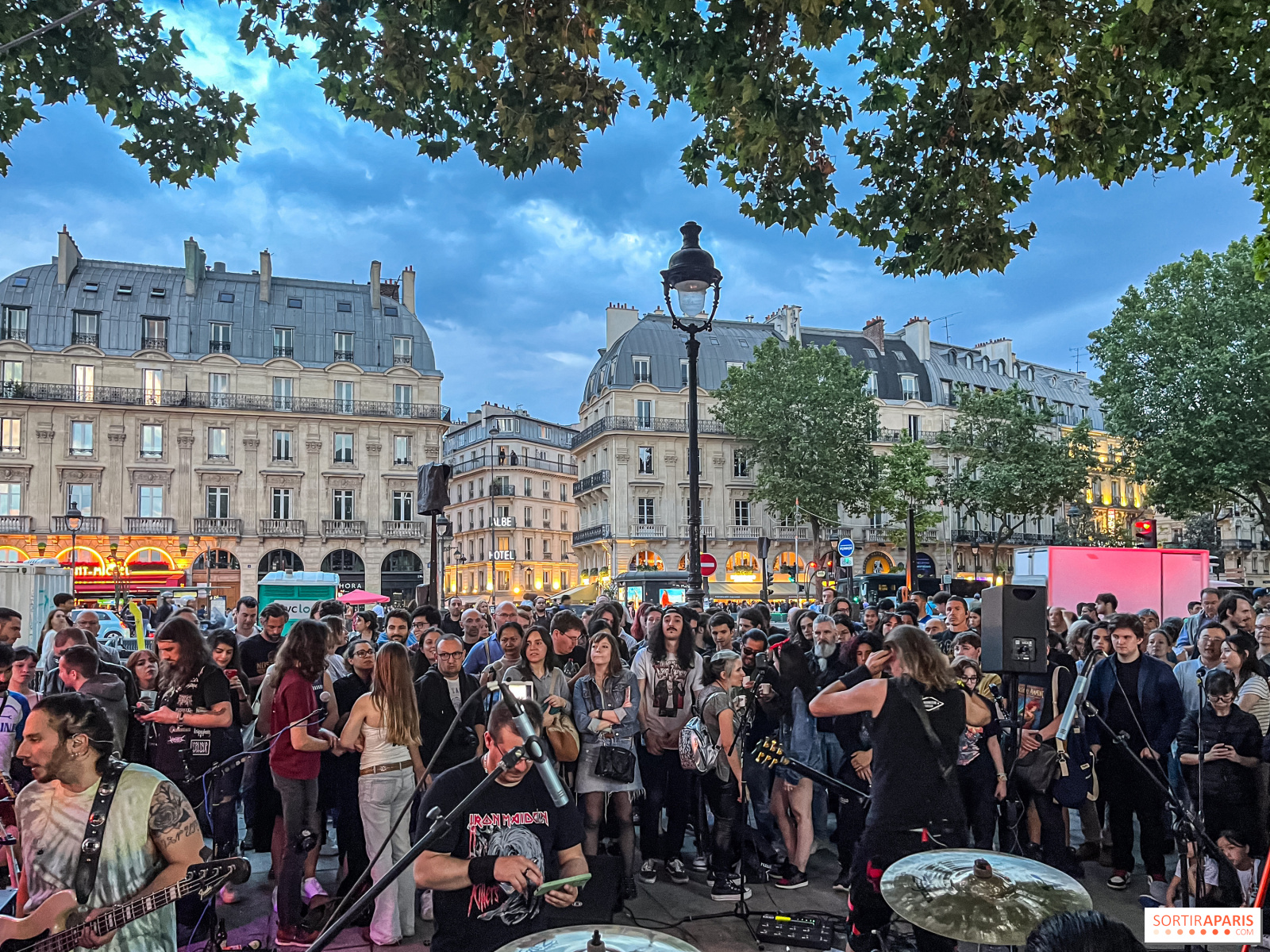
The tension between the festival’s “spontaneous” roots and its modern scale is a subject of ongoing discussion among cultural commentators. Unlike private, ticketed festivals, the Fête de la Musique lacks a single governing body to manage corporate sponsorships or branding. This absence of formal commercialization is what proponents argue keeps the event “alive” and authentic. However, the reliance on social media to generate crowds—often involving influencers or DJs promoting their own Instagram accounts via cardboard signs—has introduced a new layer of informal promotion that did not exist in the 1980s.
Why the Black Diaspora Finds Resonance in Paris
For many in the Black British community, the Fête de la Musique offers a unique opportunity to engage with Francophone African and Caribbean music in a way that is less accessible in London. The prevalence of French Afrobeats, trap, and hip-hop creates a shared sonic landscape that bridges the gap between different linguistic and national identities. This cultural exchange is facilitated by the geographic proximity of the two capital cities and the ease of travel via the Eurostar.

Music historians note that the festival serves as a vital platform for the visibility of Black artists who might otherwise struggle to secure mainstream radio play or traditional venue bookings. By removing the barrier of entry, the Fête de la Musique acts as a democratizing force, allowing artists to bypass traditional industry gatekeepers. The result is a weekend that feels less like a structured program and more like a massive, organic street party, reflecting the contemporary realities of a multicultural Europe.
Looking Ahead: The 2025 Edition
The next iteration of the Fête de la Musique is scheduled for June 21, 2025. As is tradition, the French Ministry of Culture is expected to release official guidelines and program highlights in the weeks leading up to the event. For those planning to attend, local authorities recommend monitoring the official Paris city government website for updates regarding public transport schedules, which are often adjusted to accommodate the late-night crowds, and safety advisories for high-traffic areas.
The festival remains a testament to the power of public space in fostering cultural exchange. Whether it continues to resist the pressures of large-scale commercialization will depend on the balance between municipal oversight and the continued enthusiasm of the performers and audiences who define its character. We invite our readers to share their experiences of the Fête de la Musique in the comments section below.
Related reading