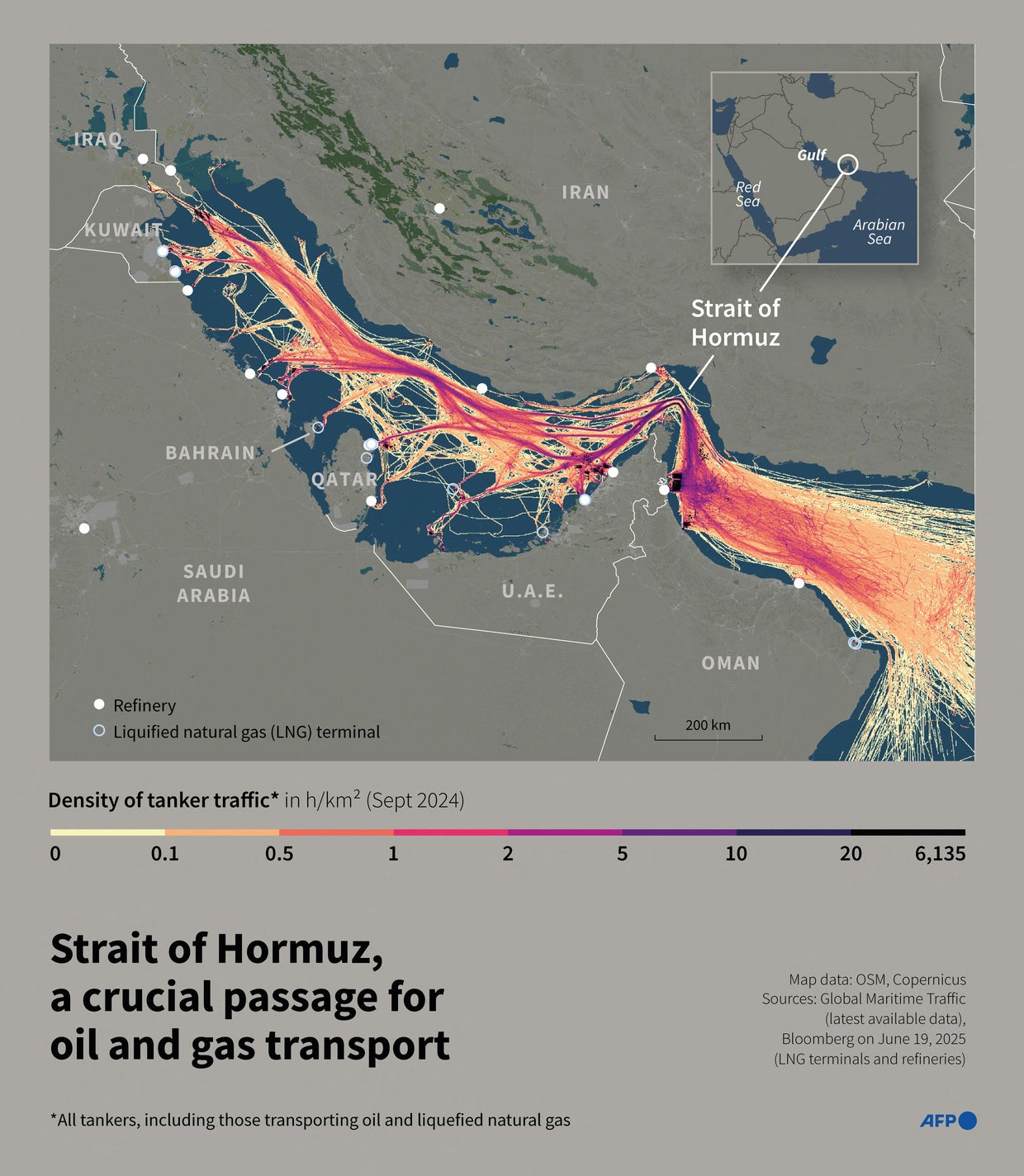
Global crude oil prices have retreated to levels not seen since before the intensification of regional hostilities involving Iran, as markets reassess the immediate risk of supply disruptions in the Middle East. Benchmarks including Brent Crude and West Texas Intermediate (WTI) stabilized following a period of volatility that saw traders pricing in significant geopolitical premiums. According to data from the International Energy Agency (IEA), the stability of global supply chains and the influence of spare production capacity have acted as primary dampeners on price spikes that were previously driven by fears of a closure of the Strait of Hormuz.
The current market environment reflects a shift in investor sentiment, moving from a focus on immediate conflict escalation to an analysis of long-term demand fundamentals. While geopolitical tensions remain, the lack of an immediate, physical disruption to oil flows has allowed market participants to recalibrate their positions. This trend aligns with reports from the U.S. Energy Information Administration (EIA), which indicate that global inventory levels remain sufficient to absorb short-term supply shocks, even as analysts continue to monitor the strategic importance of key maritime chokepoints.
Factors Influencing Current Oil Price Volatility
Oil prices are primarily driven by the interplay between global economic output and the availability of crude. When tensions rise in the Middle East, the market often reacts by pricing in a “risk premium”—an additional cost added to the barrel price to account for potential supply delays. As of early 2024, the International Monetary Fund (IMF) has highlighted that while energy prices remain sensitive to regional stability, the diversification of oil export routes and increased production from non-OPEC+ nations have mitigated the impact of localized geopolitical events.

The Strait of Hormuz remains the world’s most significant oil chokepoint, with an estimated 21 million barrels of petroleum and petroleum products passing through it daily, according to the EIA’s most recent assessments. Any sustained disruption here would likely trigger a sharp increase in global prices, yet the current market behavior suggests that investors are prioritizing verified developments over speculative fears of a total blockade.
The Role of Global Economic Indicators
Beyond geopolitical concerns, the price of oil is heavily influenced by the macroeconomic environment. Higher interest rates in major economies, such as those maintained by the U.S. Federal Reserve, have historically dampened industrial demand for energy. As central banks maintain a cautious stance on monetary policy, the cooling effect on manufacturing and transportation sectors has placed downward pressure on oil prices, balancing the bullish sentiment often created by supply-side risks.
Financial analysts note that the correlation between inflation and energy costs is a critical metric for policymakers. According to the World Bank’s Commodity Markets Outlook, energy prices are expected to moderate as global growth projections remain modest, providing a buffer against the inflationary pressures typically associated with energy spikes. This economic reality provides a counterbalance to the volatility seen in energy trading desks during periods of heightened military activity.
What Investors Should Monitor Next
Market observers should focus on upcoming meetings of the Organization of the Petroleum Exporting Countries (OPEC) and its allies, known as OPEC+, as these gatherings dictate production quotas that directly influence global supply. Any decision to extend or adjust voluntary production cuts will serve as a key indicator for price direction in the coming quarters. Additionally, the release of weekly inventory data by the American Petroleum Institute (API) and the EIA will remain the primary reference points for assessing the balance between supply and consumption.
The next major policy update is expected during the upcoming ministerial meetings, where member nations will evaluate whether current price levels are sufficient to maintain fiscal stability for exporting countries while supporting global energy security. For real-time updates on market movements and official production statements, stakeholders are encouraged to monitor the IEA’s official news portal, which provides comprehensive data on market fundamentals and supply chain resilience. Please share your thoughts in the comments section below or join the discussion on our professional networks regarding the long-term outlook for global energy markets.
Related reading
- Underrated Used Cars to Buy and Drive for Years: Best Hidden-Gem Models
- Guangzhou Villages Offer Cash Rewards for Students Entering Top Universities
- How Oman Became the Broker Behind the Latest Hormuz Deal (daybreakwire.com)
- Pax Silica: Driving Economic Growth and Industrial Development in Central Luzon (archyworldys.com)