
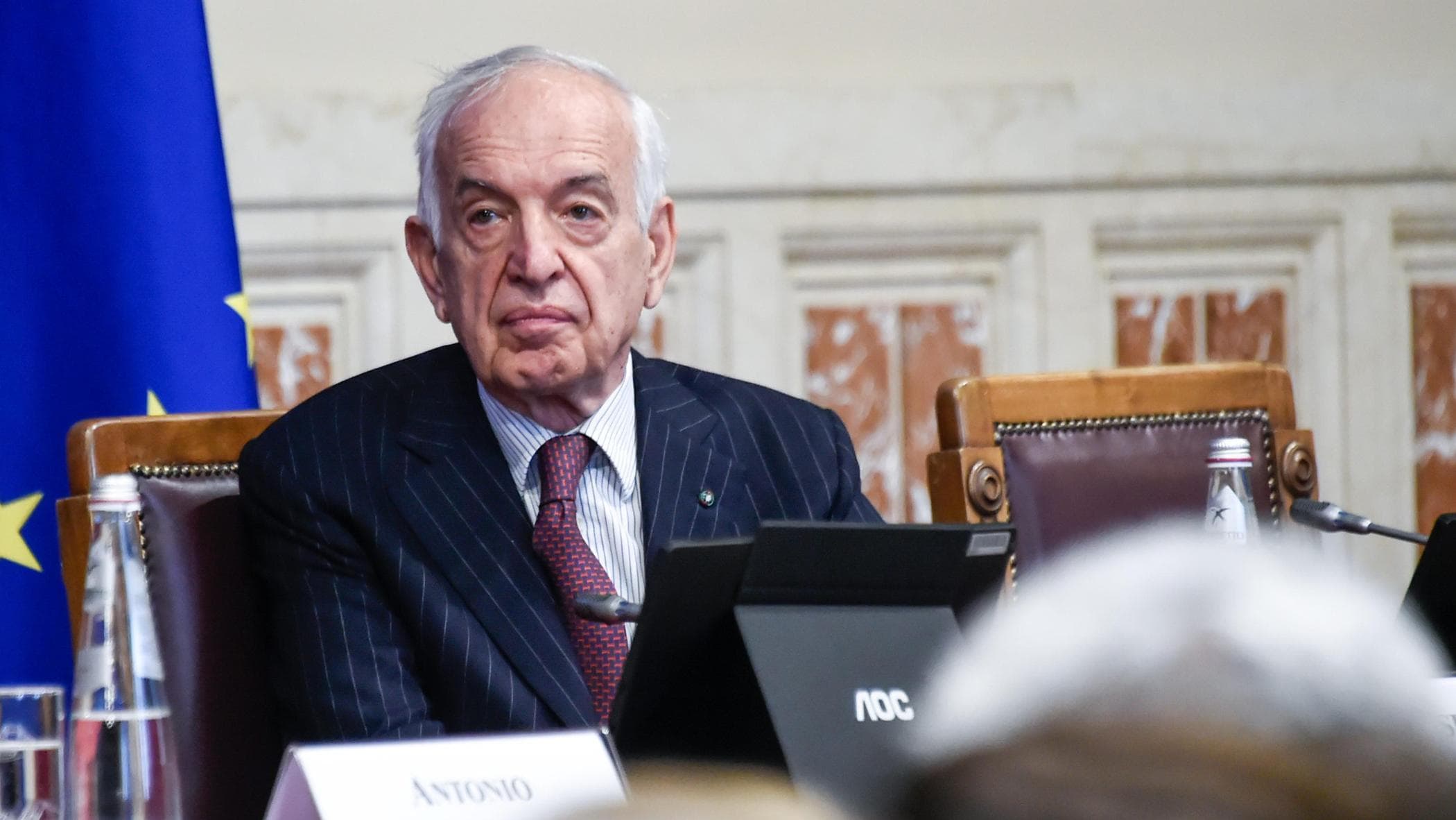
FiberCop, the pivotal joint venture tasked with spearheading Italy’s fiber-to-the-home (FTTH) rollout, is entering a critical transitional phase. As the company navigates the complex balance between aggressive infrastructure expansion and the need for sustainable financial returns, reports indicate that the board is actively seeking a successor to CEO Sarmi. This leadership search comes at a moment of significant strategic inflection, as the company balances a massive new capital injection with the disciplined execution of its 2026 operational targets.
The search for a new chief executive is not merely a routine corporate rotation but a signal of a shifting mandate. For years, FiberCop’s primary objective has been the rapid deployment of “glass” across the Italian peninsula to compete with Open Fiber and secure the footprint of its primary shareholders, Telecom Italia (TIM) and CDP Equity. However, as the network reaches a level of maturity, the required skill set for the CEO is evolving from that of a deployment specialist to a strategic manager capable of optimizing wholesale revenues and managing complex debt structures.
Adding to the urgency of this transition is a landmark financial development: a €1 billion financing package from the European Investment Bank (BEI). This capital is specifically earmarked to accelerate the FTTH network, ensuring that the “ultra-broadband” (Banda ultralarga) goals of the Italian government are met. While the funding provides a substantial runway, it also increases the pressure on the incoming leadership to demonstrate an efficient return on investment and a clear path toward long-term profitability.
From a financial perspective, FiberCop’s start to 2026 has been characterized by stability, and predictability. The company recently confirmed its full-year 2026 guidance, with first-quarter results aligning closely with internal expectations. Despite a slight dip in revenues, the company has maintained stable margins and successfully connected 300,000 new homes during the first three months of the year. For global investors and market analysts, these figures suggest a company that is operating within its means while continuing to scale its physical assets.
The Leadership Transition: Seeking a Strategic Successor
The process of identifying a successor to CEO Sarmi involves a curated shortlist of high-level managers, reflecting the board’s desire for a leader who can blend technical expertise with sophisticated financial acumen. The “rosa di manager”—or shortlist—is expected to include candidates with deep experience in the telecommunications sector, specifically those who have managed large-scale infrastructure pivots or navigated the transition from capital-intensive build-outs to operational monetization.
The necessity of this change is rooted in the current lifecycle of the Italian broadband market. The initial “land grab” phase of fiber deployment is maturing. The next phase focuses on “take-up rates”—the percentage of households that actually subscribe to the fiber services available at their address. A leader who understands the nuances of wholesale pricing, regulatory compliance with the Italian communications authority (AGCOM), and the dynamics of the retail market will be essential to ensure the network does not become a “stranded asset.”
the new CEO will be tasked with managing the intricate relationship between FiberCop and its parent entities. With the ongoing restructuring of the Italian telecommunications landscape, FiberCop must maintain its independence as a wholesale provider while remaining aligned with the strategic goals of CDP Equity and the evolving corporate structure of TIM. This requires a diplomatic leader capable of navigating the intersection of private enterprise and public policy.
The €1 Billion BEI Catalyst: Fueling FTTH Expansion
The announcement of a €1 billion financing agreement with the European Investment Bank (BEI) represents one of the most significant financial endorsements of Italy’s digital strategy. This funding is not a simple loan but a strategic instrument designed to push the boundaries of the FTTH (Fiber-to-the-Home) network, moving beyond urban centers into the “white areas” where connectivity has historically been lacking.
FTTH is the gold standard of broadband, replacing old copper wires with fiber optic cables that run directly into the premises. This technology offers vastly superior speeds and reliability compared to FTTC (Fiber-to-the-Cabinet), where the final stretch to the home still relies on copper. The BEI’s investment is critical because the “last mile” of fiber installation is the most expensive and labor-intensive part of the process. By securing European Investment Bank funding, FiberCop can lower its cost of capital and accelerate deployment schedules that would otherwise be constrained by internal cash flow.
This financing aligns with the broader European Union goals of digital sovereignty and the “Digital Decade” targets, which aim for all European households to have gigabit connectivity by 2030. For Italy, the success of FiberCop is intrinsically linked to the national economic recovery plan. High-speed internet is no longer a luxury; This proves a fundamental utility that drives productivity in SMEs (Slight and Medium Enterprises) and enables the digitalization of public administration.
Analyzing Q1 2026: Stability Amidst Scaling
FiberCop’s first-quarter performance in 2026 provides a transparent look at the challenges of scaling a national network. The company reported that results were “in line with targets,” a phrase that, in the world of infrastructure finance, signals a lack of negative surprises. While there was a slight decline in revenues, this is often a trailing indicator in the wholesale market, where the costs of deployment precede the recognition of revenue from connected homes.
The most telling metric from the Q1 report is the connection of 300,000 homes. This steady pace of growth demonstrates that the company’s operational machinery is functioning efficiently. When combined with stable margins, it suggests that FiberCop has reached a level of operational maturity where it can maintain its profitability even while continuing to invest heavily in new infrastructure.
The confirmation of the 2026 guidance is perhaps the most important signal to the market. By reaffirming its targets, FiberCop is telling investors and creditors that its financial planning is robust. In an era of volatile interest rates and fluctuating material costs, the ability to stick to a multi-year guidance plan is a testament to the company’s disciplined approach to CAPEX (Capital Expenditure) management.
The Competitive Landscape: FiberCop vs. Open Fiber
To understand the stakes of the CEO transition and the BEI funding, one must look at the duopoly currently shaping the Italian market. FiberCop exists in a direct and often tense competition with Open Fiber, the company created by CDP and the Italian government to lead the fiber rollout.

For years, Open Fiber held a dominant position, but FiberCop has rapidly closed the gap by leveraging TIM’s existing conduits and infrastructure. This “battle of the fibers” has accelerated the overall speed of Italy’s digitalization, but it has also raised concerns about over-building—where two different companies lay fiber in the same street, leading to inefficient use of capital. The new CEO of FiberCop will need to navigate this competitive environment strategically, identifying areas where aggressive expansion is necessary and areas where cooperation or consolidation might be more economically viable.
The role of CDP Equity is particularly interesting here, as they hold stakes in both the infrastructure drive and the financial vehicles supporting it. This creates a unique set of incentives where the goal is not just the victory of one company over another, but the total digitalization of the Italian economy.
What This Means for the Global Market
The developments at FiberCop are a microcosm of a larger trend occurring across Europe and North America: the transition from “Build” to “Operate.” In the last decade, the primary goal of telecom firms was to lay as much fiber as possible to secure market share. Now, the industry is shifting toward the monetization phase. The “value” of a network is no longer measured solely by how many kilometers of cable are in the ground, but by the Average Revenue Per User (ARPU) and the churn rate of the wholesale clients.

For global investors, FiberCop’s ability to manage its €1 billion BEI loan while transitioning leadership serves as a case study in infrastructure risk management. If FiberCop can successfully pivot to a management style focused on operational efficiency and high take-up rates, it will provide a blueprint for other national network operators facing similar transitions.
the focus on FTTH highlights the ongoing obsolescence of copper networks. As 5G expands, the need for a robust fiber backhaul—the high-capacity lines that connect cell towers to the core network—becomes even more critical. FiberCop is not just building a service for homes; it is building the nervous system for the next generation of wireless communication.
Key Takeaways for Stakeholders
- Leadership Pivot: The search for a successor to CEO Sarmi indicates a strategic shift from infrastructure deployment to network optimization and wholesale monetization.
- Financial Strength: The €1 billion BEI loan provides the necessary liquidity to accelerate FTTH rollout in underserved areas, reducing the digital divide.
- Operational Consistency: Q1 2026 results confirm that FiberCop is meeting its targets, adding 300,000 homes while maintaining stable margins.
- Strategic Positioning: FiberCop remains a central player in the Italian “broadband war,” balancing competition with Open Fiber against the broader goal of national digitalization.
Frequently Asked Questions
What is FTTH and why is it better than FTTC?
FTTH (Fiber-to-the-Home) brings the fiber optic cable directly into the residence, offering symmetrical gigabit speeds and higher stability. FTTC (Fiber-to-the-Cabinet) uses fiber to a neighborhood hub and then relies on old copper wires for the final stretch, which significantly limits speed and quality.

Who owns FiberCop?
FiberCop is a joint venture primarily owned by Telecom Italia (TIM) and CDP Equity, combining private telecom expertise with public investment goals.
Why is the European Investment Bank (BEI) involved?
The BEI provides low-cost, long-term financing for projects that have a high social or economic impact. Expanding ultra-broadband is considered a “public good” that drives economic growth and digital inclusion.
What does “confirming guidance” mean for a company?
When a company confirms its guidance, it tells the market that its previous forecasts for revenue, profit, and growth for the year remain accurate. This reduces uncertainty for shareholders and lenders.
How does the CEO change affect the average consumer?
While a CEO change is a corporate event, the strategic shift toward “take-up rates” often leads to more competitive wholesale pricing, which can eventually result in better and more affordable fiber plans for the end consumer.
The next critical milestone for FiberCop will be the official announcement of the new CEO and the subsequent presentation of the updated strategic plan for the second half of 2026. Market analysts will be watching closely to see if the new leadership introduces any changes to the 2026 guidance or the deployment pace of the BEI-funded projects.
We invite our readers to share their thoughts on the evolution of European digital infrastructure in the comments below. How do you think the shift from deployment to monetization will affect broadband pricing in the EU?