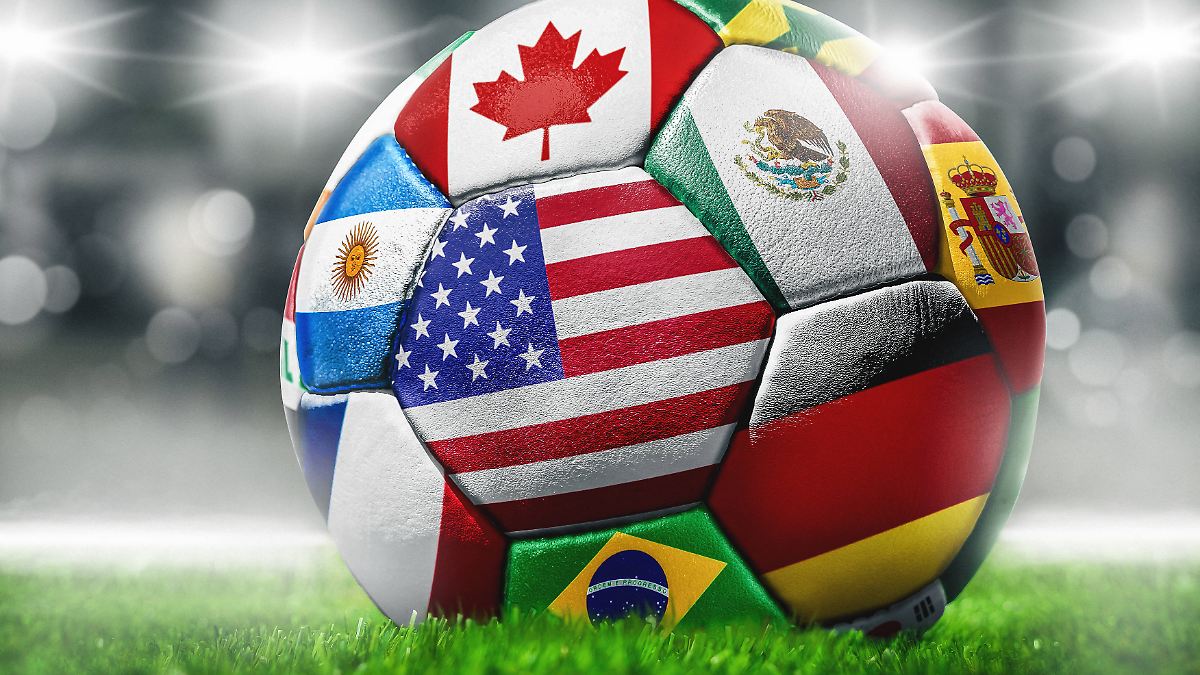
As the football world turns its collective gaze toward the 2026 FIFA World Cup, set to be hosted across the United States, Canada, and Mexico, discussions regarding fan experience and stadium logistics have moved to the forefront. Among the most discussed operational directives is the FIFA policy concerning prohibited items, specifically the restriction on bringing personal, empty water bottles into match venues. For many supporters planning their travel, this regulation marks a significant departure from standard practices seen in domestic leagues, sparking a broader conversation about stadium safety, hydration, and the unique challenges of hosting a global tournament in diverse climates.
The policy, which has been codified in the official FIFA World Cup 2026 Prohibited Items List, explicitly classifies water bottles as restricted items. While stadium security protocols are common at major sporting events to ensure the safety of players and spectators, the inclusion of empty containers has prompted questions from fans accustomed to bringing reusable bottles to local matches to mitigate the risks of heat exhaustion. As we approach the tournament, understanding the rationale behind these security measures is essential for all attendees navigating the FIFA World Cup 2026 host city infrastructure.
Understanding Stadium Security Protocols
Security at a FIFA World Cup is categorized as a Tier 1 event, requiring adherence to stringent international standards. The decision to restrict specific items, including bottles, is generally rooted in the need to prevent the introduction of projectiles or hazardous materials into high-density seating areas. When thousands of fans are gathered in a single venue, the potential for even minor objects to cause injury during moments of high emotion or crowd movement is a primary concern for stadium management and local law enforcement agencies.
While the restriction may seem inconvenient to those accustomed to carrying their own hydration, FIFA’s Stadium Code of Conduct emphasizes that these rules are designed to create a uniform environment across all 16 host cities. By standardizing the list of prohibited items, organizers aim to streamline the entry process at security checkpoints, reducing wait times and ensuring that security personnel can focus on identifying legitimate threats rather than assessing the contents of various personal containers.
Managing Hydration in Variable Climates
The 2026 tournament will take place in regions ranging from the temperate climates of the Pacific Northwest to the intense heat of the American Southwest and parts of Mexico. Naturally, concerns regarding heat-related illnesses are at the forefront of the fan experience. FIFA and the local organizing committees have stated that they are committed to providing accessible water stations and ensuring that concession stands are equipped to handle the high volume of demand during peak summer heat. According to general tournament guidelines, fans should expect to purchase beverages inside the stadium, where water supplies are managed under controlled conditions.
For those concerned about medical requirements or specific health needs, the official guidance suggests that fans review the fan guide and accessibility information provided by the host cities. If a spectator requires a specific medical device or container, it is generally advised to contact the stadium’s guest services department well in advance of the match date to obtain the necessary clearance or documentation required for entry.
Key Takeaways for Attendees
- Review the Prohibited Items List: Before traveling, consult the official FIFA documentation to ensure your bag and personal belongings comply with stadium entry requirements.
- Plan for Concessions: Since personal bottles are restricted, factor the cost and availability of in-stadium hydration into your match-day budget.
- Medical Exemptions: If you have a medical condition requiring a specific container, reach out to venue management via official channels at least two weeks before your match.
- Stay Informed: Follow official FIFA channels for real-time updates regarding stadium entry policies, as regulations may be updated based on local security assessments.
Looking Ahead: The Road to 2026
As the tournament draws closer, FIFA is expected to release further details regarding logistics, including updated ticketing and stadium entry procedures. The operational complexity of managing 104 matches across three nations is unprecedented in the history of the sport. For the millions of fans planning to attend, staying updated through official sources is the best way to ensure a seamless and enjoyable experience.
The next major milestone for fans will be the release of final match-day guides for each individual venue, which will provide city-specific instructions on transit, security, and amenities. As we continue our coverage here at World Today Journal, we will keep you informed on all developments as they are confirmed by governing bodies. I encourage you to share your thoughts on these safety protocols in the comments below, and stay tuned for our next update as the countdown to the opening whistle continues.
Related reading
- McColgan to miss Glasgow Games defence after foot fracture
- ¿A qué hora comenzará la pelea de Gastón Edul vs. Edu Aguirre hoy y en qué canales ver gratis por La Velada del Año 6? – El Comercio Perú
- The Coriolis Toilet Myth: What Really Makes the Water Spin (daybreakwire.com)
- Trump’s Luxury Air Force One: Rushed Retrofit Raises Safety and Cost Concerns (archynewsy.com)