As the FIFA World Cup 2026™ approaches, one of the logistical pillars ensuring the tournament’s success is taking shape: the network of Team Base Camps where the 48 participating national teams will prepare for their matches. These camps—officially designated by FIFA—serve as the primary training hubs, offering teams a “home away from home” during the group stage, where they will rest, strategize, and fine-tune their preparations before heading to stadiums across the United States, Canada, and Mexico.
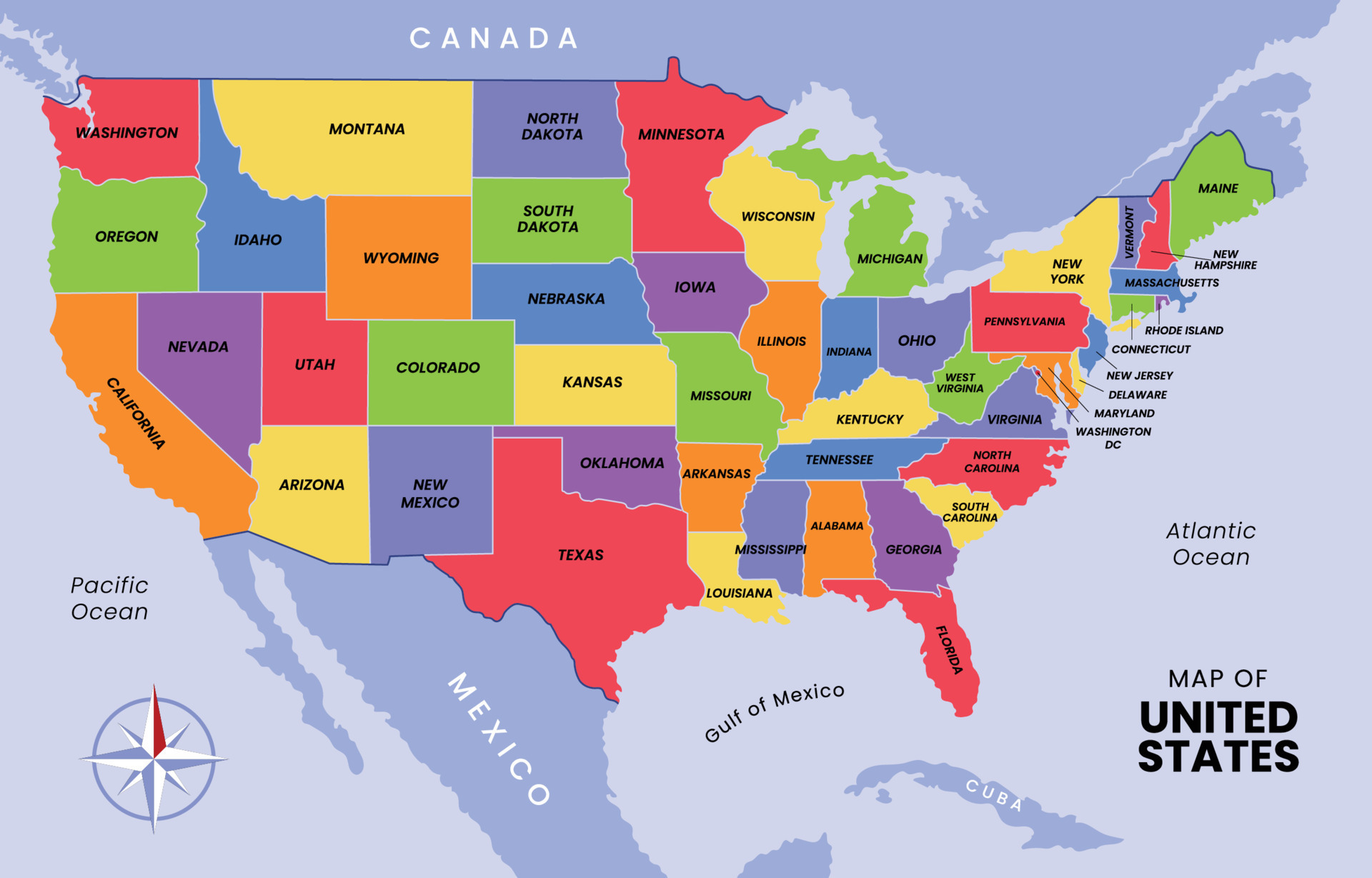
The latest update from FIFA, released on April 16, 2025, added 14 new Team Base Camp options to the growing list, bringing the total to 62 locations spread across North America. These additions reflect the tournament’s unprecedented scale, with 39 teams based in the United States, seven in Mexico, and two in Canada—a first for the World Cup. The expansion underscores FIFA’s commitment to providing flexibility and proximity for teams, ensuring they can travel efficiently between training sites and match venues.
Among the newly confirmed locations are three within the host cities themselves: Guadalajara (Mexico), Dallas–Mansfield (United States), and New York–New Jersey (United States). The remaining 11 options are strategically placed in cities outside host locations but remain geographically connected to the tournament’s footprint. For example, Querétaro and Torreón in Mexico, as well as Boca Raton, Greenbrier County, Myrtle Beach, Oklahoma City (two options), Portland, Santa Barbara (two options), and State College in the United States, have been added to the roster.
This marks the third wave of Team Base Camp announcements, following releases in June and November 2024. FIFA emphasizes that further options will continue to come online throughout 2025, ahead of the Final Draw scheduled for December 2025. The goal is to offer teams a diverse range of environments, from urban training centers to campus-based facilities, ensuring that each national team can tailor its preparation to its specific needs.
Why Team Base Camps Matter for World Cup 2026
The concept of Team Base Camps is not new, but the scale of World Cup 2026™—the first to feature 48 teams—has amplified their importance. Unlike previous editions, where teams often relied on hotels or temporary facilities near stadiums, the 2026 camps will provide dedicated spaces for recovery, medical support, and team meetings. This level of infrastructure is critical for teams traveling long distances, such as those from Asia, Africa, or Oceania, who may face jet lag or time-zone challenges.
FIFA’s decision to include options outside host cities also reflects practical considerations. For instance, teams playing in multiple stadiums—such as those in the expanded group stage—can minimize travel time by basing themselves in centrally located camps. The inclusion of university facilities (e.g., UC Santa Barbara or Gonzaga University in Spokane) adds a layer of local community engagement, while urban centers like Dallas and New York offer proximity to major airports and logistical hubs.
Key stakeholders—including national team coaches, players, and medical staff—have long advocated for such dedicated spaces. “Having a proper base camp reduces distractions and allows us to focus entirely on preparation,” said a source familiar with FIFA’s planning process. “It’s not just about training; it’s about creating an environment where the team can thrive away from the pressures of public scrutiny.” While direct quotes from FIFA officials or team representatives are not yet available, the organization’s emphasis on “homes away from home” aligns with feedback from past tournaments.
How Teams Will Choose Their Camps
Teams will select their preferred Base Camp from the available options, with FIFA expected to finalize assignments closer to the Final Draw in December 2025. The selection process will likely consider factors such as geographical proximity to match venues, accommodation quality, training facility standards, and logistical support. For example, a team with multiple games in the eastern United States might prioritize a camp in New York or Boston, while a squad with matches in Mexico could opt for Guadalajara or Querétaro.
FIFA has not disclosed specific selection criteria, but past tournaments suggest that teams often prioritize camps with modern recovery facilities, proximity to medical services, and accommodations that accommodate staff and media. The organization has also hinted at potential partnerships with local governments and private entities to enhance the offerings, though no official deals have been announced.
For teams with limited resources, FIFA may offer subsidies or assistance in securing suitable camps. However, the exact mechanisms remain unclear, and no official guidelines have been released. Teams are advised to monitor FIFA’s official communications for updates on the selection process and any associated costs.
What’s Next: Final Draw and Camp Assignments
The next major milestone in the World Cup 2026™ preparations is the Final Draw, scheduled for December 10, 2025, in New York City. This event will determine the full group stage fixtures, including the allocation of teams to specific pots and groups. While camp assignments are not typically announced at the draw, teams will likely begin finalizing their choices in the months leading up to it.

FIFA has also indicated that additional Team Base Camp options may be added in the coming months, particularly in Canada, where two teams will compete. As of now, no official camps have been confirmed in Canadian host cities (Toronto, Vancouver, or Montreal), but the organization has signaled that updates will be provided as plans solidify.
For fans and followers, the expanding list of Base Camps offers a glimpse into the tournament’s logistical backbone. Beyond the pitch, these locations will become temporary hubs of activity, where strategies are hatched, rivalries simmer, and the stage is set for June 2026’s showdowns. As the countdown progresses, FIFA’s official channels—including FIFA.com and their social media platforms—will remain the primary sources for updates on camp selections and tournament preparations.
Key Takeaways
- 48 teams, 62+ camps: The World Cup 2026™ will feature the largest-ever network of Team Base Camps, with options spanning the U.S., Mexico, and Canada.
- Strategic locations: Camps are distributed to minimize travel time, with three new options in host cities (Guadalajara, Dallas–Mansfield, New York–New Jersey) and 11 outside but connected to match venues.
- Final Draw in December 2025: Camp assignments will likely be finalized ahead of the draw, with teams selecting based on proximity and facilities.
- No official quotes yet: While FIFA has confirmed the additions, direct statements from teams or officials are pending.
- Watch for Canada updates: No camps have been confirmed in Canadian host cities, but FIFA expects announcements in the coming months.
As the road to World Cup 2026™ continues, the expansion of Team Base Camps reflects FIFA’s efforts to adapt to the tournament’s historic scale. For teams, the choice of camp could be as critical as their tactical preparations—making these facilities a silent but vital player in the drama to come.
What do you think will be the biggest challenge for teams during their time in the Base Camps? Share your thoughts in the comments below, and don’t forget to follow World Today Journal for the latest updates on the tournament’s preparations.
Worth a look
- Haitian Immigrants Face Potential Deportation as US Ends Temporary Protected Status
- Trump Threatens to Pull Todd Blanche’s DOJ Nomination Amid Clash With Senator Cornyn
- European Nations Threaten World Cup Boycott Over FIFA Private Equity Plan (newsdirectory3.com)
- Mexico Leads Digital Investment for 2026 World Cup via Streaming and AI (world-today-news.com)