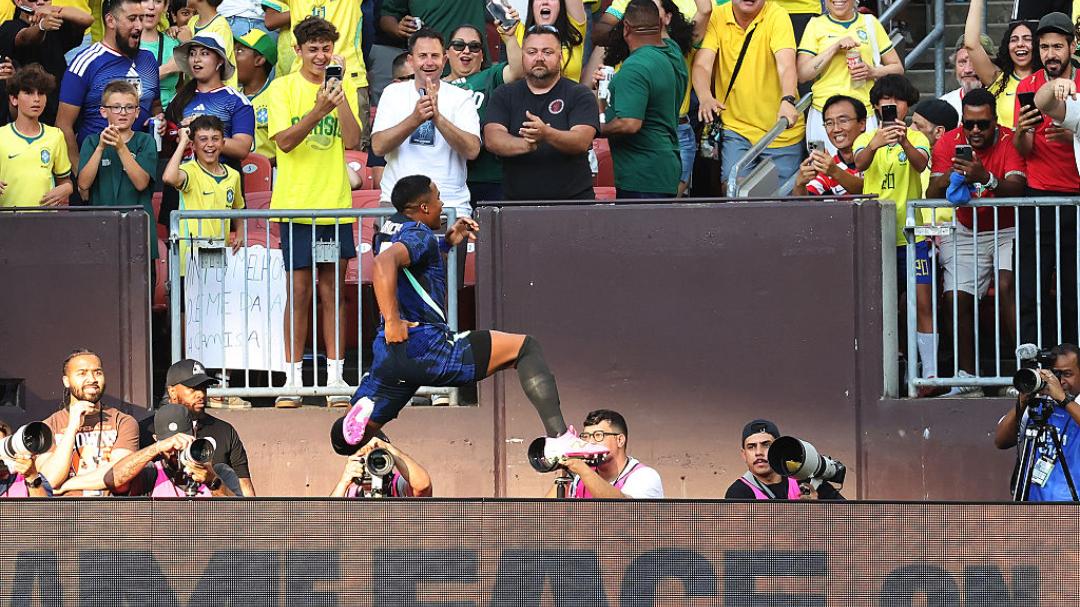
Brazil’s national football team secured a victory over Egypt in a recent friendly match, demonstrating their depth even as star forward Neymar remained sidelined. The win serves as part of the broader international preparations for the upcoming FIFA World Cup 2026, where nations are balancing squad rotation with the need to maintain tactical cohesion. While the result signals a positive trajectory for the Brazilian side, questions regarding defensive stability remain a primary focus for the coaching staff ahead of the tournament.
Managing Squad Depth and Tactical Adjustments
The absence of marquee players such as Neymar for Brazil and Lionel Messi for Argentina in their respective fixtures has provided a unique opportunity for managers to test alternative tactical setups. According to reporting on international friendlies, these matches are essential for evaluating bench strength, particularly as teams aim to integrate younger talent and tactical variations before the World Cup begins. The ability of the Brazilian squad to secure a win without their primary playmaker suggests a shift toward a more collective attacking structure, though the defensive lapses noted during the encounter with Egypt indicate that further refinement is necessary.
For Brazil, the focus remains on building a resilient unit capable of performing under the pressure of a global tournament. The Fédération Internationale de Football Association (FIFA) continues to oversee these international windows, which serve as the final testing ground for national associations as they prepare for the 2026 competition. The tournament, which will see matches hosted across various regions, including eight games in Los Angeles, remains the ultimate objective for these squads as they finalize their rosters and strategic approaches.
The Road to FIFA World Cup 2026
As the football world turns its attention toward 2026, the organizational scale of the event is becoming increasingly apparent. The tournament is set to be a massive undertaking, with the FIFA World Cup 26 Los Angeles™ initiatives already highlighting the scale of fan celebrations, which are expected to span 39 days across the region. For national teams, these friendly fixtures are not merely exhibition games; they are logistical and tactical rehearsals for the complexities of a multi-nation tournament format.
While the focus on individual stars often dominates headlines, the recent performances of Brazil, Argentina, and Germany underscore the importance of squad-wide reliability. The integration of players from the bench, including notable appearances by veteran figures like Mohamed Salah for Egypt, highlights the high level of competition present even in friendly settings. For Brazil, the challenge now lies in bridging the gap between their offensive output and the defensive vulnerabilities that have emerged in recent outings.
Looking Ahead: Maintaining Momentum
The path to the 2026 World Cup involves a series of rigorous evaluations for every participating nation. With the international calendar dictating the pace of these preparations, the next few months will be critical for coaching staffs to finalize their core lineups. Fans and analysts alike will be watching closely to see how teams address the defensive concerns that have surfaced during this period of experimentation.
As we move closer to the tournament, official updates from FIFA regarding match schedules, ticketing, and venue-specific fan festivals will remain the primary source of information for supporters planning their experience. The upcoming period of international fixtures will provide further clarity on which nations have successfully balanced their squad depth with the tactical discipline required to contend for the world title. We encourage our readers to stay tuned for further analysis as these teams continue their preparations on the road to the opening match in June 2026.
How do you view Brazil’s current tactical evolution without Neymar in the starting XI? Share your thoughts in the comments section below.
Worth a look