
Noraly Beyer has recently shared intimate reflections on the final days of Dutch actor and presenter Joost Prinsen, following his decision to end his life after suffering a severe stroke. The veteran broadcaster, known for her candid approach to life’s difficult transitions, discussed the circumstances surrounding Prinsen’s passing, highlighting his clear resolve during his final period of health decline.
Reflecting on a Final Choice
The conversation surrounding Joost Prinsen’s end-of-life decision has brought renewed attention to the complexities of terminal illness and personal autonomy. According to public reports, Prinsen experienced a significant health crisis in the form of a cerebral infarction, or stroke, which fundamentally altered his quality of life. Beyer, who maintained a long-standing personal connection with the actor, noted that the impact of the stroke was such that Prinsen felt his existence no longer aligned with his own standards of living.
In her public reflections, Beyer underscored that Prinsen’s decision was not impulsive but rather a deliberate response to his condition. She described his stance as one of clarity, stating that he simply did not wish to continue living under the limitations imposed by his health. This perspective provides a humanizing lens on the legal and ethical discussions currently surrounding end-of-life care in the Netherlands, where the Termination of Life on Request and Assisted Suicide (Review Procedures) Act governs the processes by which individuals may seek medical assistance in dying.
The Career and Legacy of Joost Prinsen
Joost Prinsen was a fixture of Dutch television and theater for decades. His career spanned a diverse range of roles, from dramatic performances in classic plays to his popular work as a presenter on long-running quiz shows. His ability to connect with audiences across generations made him a household name in the Netherlands, and his departure has been marked by tributes from colleagues and fans alike who remember his sharp wit and professional dedication.
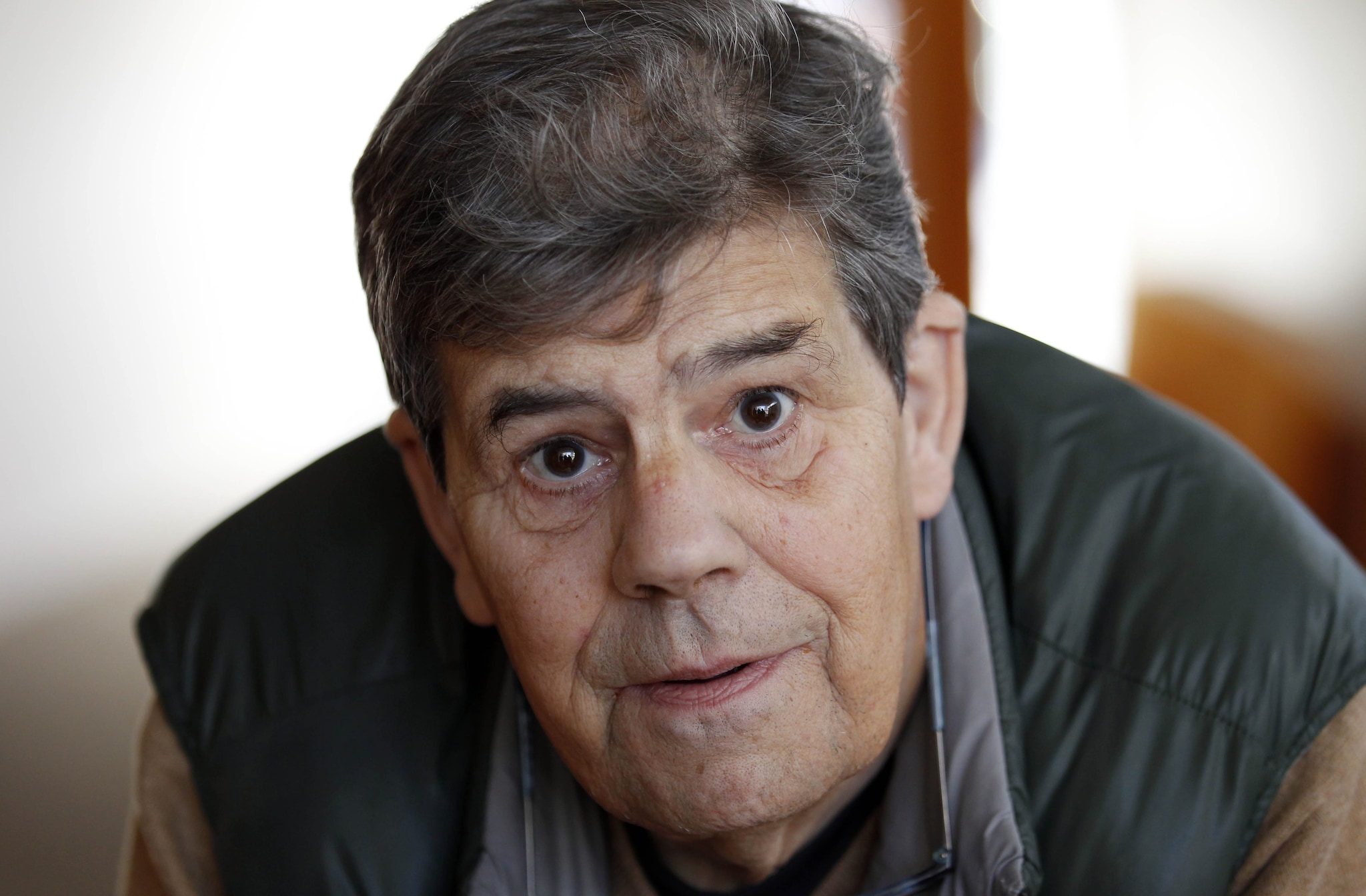
Beyer’s openness regarding his final days serves as a testament to the depth of their relationship and the respect she held for his autonomy. By sharing these memories, she has contributed to a broader public conversation about the reality of aging and the difficult decisions that can arise when health fails. Such discussions are increasingly common as society grapples with how to support individuals facing irreversible medical decline.
Understanding End-of-Life Discussions
The situation involving Prinsen highlights the importance of open communication between patients, families, and medical professionals. In the Netherlands, the legal framework for euthanasia and assisted suicide requires that a patient’s request be voluntary and well-considered, and that the suffering be deemed unbearable with no prospect of improvement. Healthcare providers must strictly adhere to the due care criteria outlined by the Regional Euthanasia Review Committees (RTE), which oversee compliance with the national law.
For those interested in the legal and procedural aspects of this topic, the Dutch government provides comprehensive information on the regulations governing euthanasia and assisted suicide, ensuring that the public understands the stringent safeguards in place. These procedures are designed to protect both the patient and the medical practitioner while ensuring that individual wishes are respected within the bounds of the law.
Moving Forward
As the public continues to reflect on the life and contributions of Joost Prinsen, the focus remains on his enduring impact on Dutch culture. Noraly Beyer’s decision to speak on this sensitive topic has provided a level of transparency that many have found helpful in processing the loss of a public figure who was so widely respected.

While there are no further official updates or public hearings scheduled regarding this personal matter, the conversation surrounding the rights of individuals in terminal health states continues to evolve. We invite our readers to share their thoughts and memories of Joost Prinsen’s work in the comments section below, as we honor the memory of a significant figure in entertainment.
Related reading