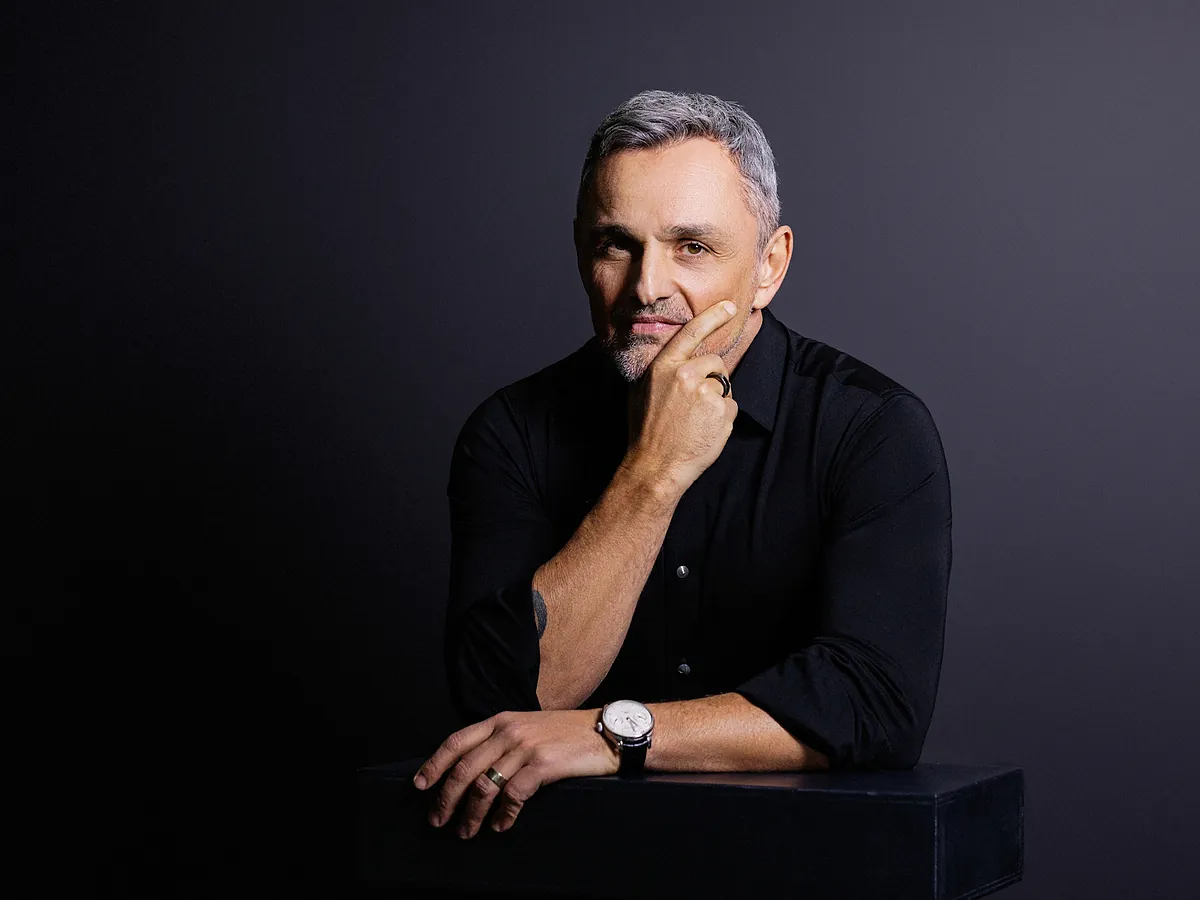
As we navigate the complexities of modern living, the bridge between extreme performance environments and everyday wellness has never been more relevant. Dr. Filippo Ongaro, a physician whose professional journey began in the high-stakes world of aerospace medicine, has spent years translating the rigorous protocols used to support astronauts into actionable strategies for healthy longevity. By focusing on the foundational pillars of human physiology—nutritional science, physical conditioning, and stress regulation—Ongaro emphasizes that the principles sustaining life in orbit are surprisingly applicable to the challenges of terrestrial aging.
The pursuit of healthy longevity is increasingly defined not by singular medical interventions, but by the cumulative effect of daily lifestyle choices. As I have observed throughout my own clinical practice in Berlin, the transition from reactive medicine to a proactive, preventive model is the hallmark of modern health innovation. For individuals looking to optimize their biological potential, understanding how to manage systemic inflammation and metabolic health is paramount. According to the World Health Organization, healthy aging is defined as the process of developing and maintaining the functional ability that enables well-being in older age, a goal that requires a holistic approach to physiological maintenance.
From Aerospace Medicine to Daily Wellness
The environment of space presents unique physiological stressors, including microgravity, radiation exposure, and circadian rhythm disruption. Physicians working with space agencies, such as the European Space Agency (ESA), must design comprehensive support systems to mitigate these impacts. These systems prioritize musculoskeletal integrity, cardiovascular efficiency, and psychological resilience. Dr. Ongaro’s work draws directly from this specialized field, applying the same rigorous standards of monitoring and intervention to the general population.
The core philosophy here is that the human body is an adaptive system. When subjected to the correct stimuli—whether through specific nutritional intake or targeted exercise protocols—the body can maintain higher levels of functional performance well into later life. What we have is not merely about extending the lifespan, but about extending the “healthspan,” or the number of years lived in good health, free from chronic disease.
The Pillars of Longevity: Nutrition and Movement
Nutritional science in the context of longevity is moving away from restrictive dieting toward metabolic flexibility. This involves consuming nutrient-dense foods that support mitochondrial health and reduce systemic inflammation. For many, So prioritizing whole foods, managing glycemic response, and ensuring adequate intake of essential micronutrients. The scientific consensus continues to suggest that dietary patterns rich in plant-based nutrients and lean proteins are associated with lower risks of age-related metabolic decline.
Physical activity, specifically the combination of resistance training and aerobic conditioning, serves as the most potent intervention for maintaining muscle mass and bone density. As we age, the loss of muscle mass, or sarcopenia, becomes a primary driver of frailty. By incorporating resistance exercise, individuals can counteract these natural declines, effectively “training” their bodies to remain robust. This proactive stance on movement aligns with current public health guidelines which advocate for consistent, moderate-to-vigorous physical activity to manage weight and improve cardiometabolic outcomes.
Managing the Stress Response
Perhaps the most critical, yet often overlooked, component of longevity is the management of chronic stress. The physiological impact of prolonged cortisol elevation is well-documented. it contributes to hypertension, insulin resistance, and cognitive decline. In the context of aerospace medicine, stress management is a survival skill. For the general public, it is a longevity requirement. Techniques such as mindfulness, structured sleep hygiene, and cognitive behavioral strategies are essential tools in the modern health repertoire.
By treating stress as a biological variable that can be measured and managed, individuals can significantly alter their long-term health trajectory. This requires a shift in mindset: viewing recovery and downtime not as a luxury, but as a necessary physiological process for cellular repair and mental clarity.
Key Takeaways for Healthy Longevity
- Prioritize Functional Strength: Resistance training is non-negotiable for preserving mobility and metabolic health as you age.
- Optimize Metabolic Health: Focus on nutrient density and glycemic control to reduce the burden of chronic inflammation.
- Master Stress Regulation: Chronic stress acts as an accelerant for biological aging; implementing daily recovery protocols is essential.
- Adopt a Proactive Mindset: Shift from treating symptoms to identifying and optimizing the physiological markers of health before disease manifests.
As we look toward the future of medicine, the integration of high-performance strategies into daily life will continue to be a primary focus for those dedicated to longevity. The lessons learned from the most extreme environments on and off our planet are now serving as a blueprint for a healthier, more resilient population. I invite our readers to join the conversation in the comments section below: what lifestyle changes have you found most effective in your own journey toward better health? Your experiences are a vital part of this ongoing dialogue on human potential and medical innovation.
