
For many men, the battle against androgenic alopecia—the medical term for male pattern baldness—is as much about confidence as it is about aesthetics. For years, finasteride (sold under brand names like Propecia) has been a cornerstone of pharmaceutical intervention to stop hair loss and encourage regrowth. However, the landscape for this widely used medication is shifting rapidly as health regulators prioritize patient safety over cosmetic gains.
In a move that signals a tightening of medical oversight, the French National Agency for the Safety of Medicines and Health Products (ANSM) has introduced significant changes to the drug’s safety profile, and accessibility. These updates come as a response to a growing body of evidence regarding severe psychiatric and sexual side effects, leading to a reinforced framework for how the drug is prescribed and dispensed.
As a physician and health journalist, I have seen how the desire to reclaim one’s youth can sometimes overshadow the risk-benefit analysis of long-term medication. The latest directives from health authorities serve as a critical reminder that no treatment is without cost, and in the case of finasteride, those costs may now include serious mental health risks. For patients currently on the treatment or those considering it, the rules of engagement are changing starting in 2026.
Suicidal Ideation Added to Official Side Effects
The most alarming development in the safety monitoring of finasteride is the official recognition of its link to mental health crises. On September 25, 2025, the ANSM announced that the risk of suicidal thoughts would be officially added to the list of adverse effects associated with the drug via Que Choisir. This update reflects a growing concern among medical experts regarding the drug’s impact on the central nervous system.
This is not an isolated concern. Independent medical experts, including those from the medical journal Prescrire, have previously placed finasteride on their “blacklist” of medications, arguing that the risks outweigh the benefits for the treatment of hair loss via Que Choisir. The inclusion of suicidal ideation in the official warnings is a pivotal step in ensuring that both prescribing physicians and patients are fully aware of the potential psychiatric trajectory of the treatment.
The Spectrum of Psychiatric and Sexual Risks
While suicidal thoughts are the most severe addition, they are part of a broader pattern of “uncommon” side effects—defined as affecting up to 1 in 100 men—that have long plagued the drug’s reputation via Que Choisir. These adverse effects generally fall into two primary categories:
- Psychiatric Disorders: Patients have reported significant manifestations of anxiety and depression. These mood shifts can be profound, complicating the patient’s quality of life beyond the initial concern of hair loss.
- Sexual Dysfunction: The medication is linked to a decrease in libido, as well as difficulties with erection and ejaculation.
Perhaps most concerning for many users is the persistence of these symptoms. Reports indicate that sexual disorders can continue even after the patient has completely stopped the treatment via Que Choisir. Though less frequent, some men have experienced increased breast volume and sensitivity, a condition that can cause significant distress.
These risks are not limited to the traditional pill form. Newer delivery methods, such as the spray version known as Fincrezo, have faced similar criticisms for their potential to cause persistent psychiatric and sexual impairments via Que Choisir.
Stricter Accessibility: The New Mandatory Attestation
Because of these risks, the process of obtaining finasteride is becoming significantly more rigorous. A simple prescription is no longer sufficient under the new reinforced framework. As of February 8, 2026, reports indicate that an obligatory attestation will be required for patients to obtain the treatment via RTL.
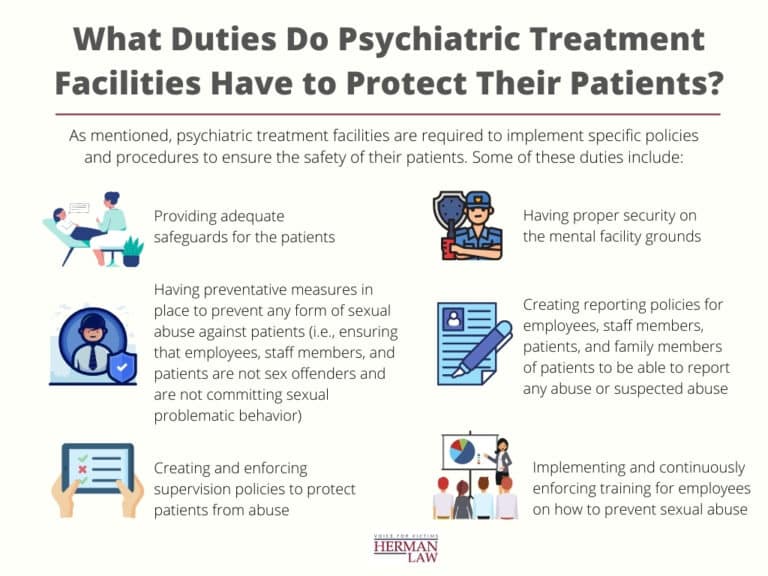
This attestation is designed to ensure that the patient has been fully informed of the potential side effects—specifically the psychiatric and sexual risks—and has consented to the treatment with a full understanding of the dangers. By adding this administrative layer, health authorities aim to prevent “casual” prescribing and ensure that the medication is used only when the patient’s psychological profile and health history make it a viable option.
This move transforms finasteride from a relatively accessible cosmetic treatment into a highly monitored medication. The goal is to move away from a model of convenience and toward a model of informed safety, ensuring that the desire for hair regrowth does not come at the cost of a patient’s mental stability.
Evaluating Efficacy vs. Danger
The tightening of regulations is not only a response to the side effects but too a reflection of doubts regarding the drug’s overall effectiveness. Critics and health agencies have noted that finasteride may be “too dangerous to be used” given its limited efficacy on actual hair regrowth in some populations via Que Choisir.
When a medication is used to treat a non-life-threatening condition—such as androgenic alopecia—the threshold for acceptable risk is much lower than it would be for a life-saving drug. The current consensus among several European health observers is that the potential for permanent sexual dysfunction and the risk of suicidal ideation are disproportionate to the benefit of maintaining or regrowing hair.
Summary of Finasteride Safety Updates
| Feature | Previous Status | New Status (2025-2026) |
|---|---|---|
| Side Effect List | Psychiatric/Sexual disorders | Added “Suicidal Ideation” (Sept 2025) |
| Dispensing Process | Standard Prescription | Mandatory Attestation Required (Feb 2026) |
| Regulatory View | Standard hair loss treatment | “Reinforced framework” due to safety risks |
| Risk Frequency | Noted as “uncommon” | Up to 1 in 100 men affected |
What So for Patients
If you are currently using finasteride 1 mg or are considering starting the treatment, it is imperative to have an open and honest conversation with your healthcare provider. The emergence of these new warnings means that monitoring should be more frequent, particularly regarding mood changes and sexual health.
Patients should be aware that the “uncommon” classification of side effects does not mean they are rare; a 1% occurrence rate is significant when applied to a global population of millions of users. The possibility that sexual dysfunction may persist after the cessation of the drug is a critical factor that must be weighed before beginning a regimen.
For those in regions following the ANSM guidelines, you should prepare for a more detailed consultation process. The mandatory attestation is not merely a formality but a legal and medical safeguard intended to protect you from unforeseen psychiatric complications.
The next phase of oversight will involve continued monitoring by the ANSM and other European health bodies to determine if these reinforced measures are sufficient to reduce the incidence of severe adverse reactions. Patients are encouraged to report any new or worsening mood symptoms to their doctors immediately.
Do you have experience with these treatments or thoughts on the new safety mandates? Share your perspective in the comments below or share this article with others who may be affected by these changes.
Keep reading