
The landscape of international television is undergoing a significant transformation as production houses increasingly bridge cultural divides to craft cross-genre narratives. One of the most notable examples of this trend is the emergence of Blood and Sweat, a Finnish-Japanese coproduction that has garnered attention for its unique synthesis of Nordic noir—a genre typically defined by its somber, atmospheric detective storytelling—and the complex, eerie elements of Japanese occult tradition.
As the television industry continues to evolve, the blending of such distinct regional aesthetics represents a shift toward more experimental global programming. By merging the grounded, often gritty investigative style associated with Finnish drama with the imaginative, folklore-rich tapestries of Japan, Blood and Sweat signals a move toward what critics describe as a more pulpy, high-stakes thriller format. This stylistic evolution serves as a case study in how modern production studios are leveraging international partnerships to satisfy a global audience with an appetite for sophisticated, genre-bending content.
The Evolution of Cross-Cultural Storytelling
At its core, the production represents a departure from the traditional, linear detective dramas that have long dominated the Nordic television market. By integrating Japanese folklore, the series moves beyond the conventional procedural framework, introducing a layer of supernatural mystery that challenges the protagonist’s—and the viewer’s—perception of reality. This narrative strategy is part of a broader trend in the streaming era, where digital platforms facilitate the distribution of niche, culturally specific stories to a worldwide demographic.
The collaborative nature of this project highlights the logistical and creative intricacies involved in modern television production. When two distinct national film industries converge, the result is often a hybrid product that appeals to fans of both international crime fiction and traditional Asian speculative fiction. For the Finnish production team, the partnership provides access to the rich, historical mythology of Japan, while for Japanese creators, the collaboration offers a fresh lens through which to explore domestic folklore.
Genre Blending: From Noir to Supernatural Thriller
The transition from a classic detective drama to a “pulpy” thriller is a deliberate creative choice that reflects a broader appetite for pacing and visual intensity in contemporary media. Nordic noir is historically characterized by its slow burn, moral ambiguity and bleak landscapes. In Blood and Sweat, these elements are retained but elevated through the inclusion of occult themes, which serve to complicate the investigative process.

This synthesis is not merely cosmetic. The integration of Japanese folklore into the investigation forces the narrative to address metaphysical questions that traditional police procedurals often ignore. By framing these supernatural elements within the cold, rational framework of a Finnish crime investigation, the series creates a tension that is both intellectually engaging and visually compelling. It represents a sophisticated approach to genre-blending, where the “occult” does not replace the “detective” but rather informs and expands the scope of the inquiry.
Market Impact and Audience Reception
The success of such coproductions is highly dependent on how well they balance authenticity with accessibility. For global audiences, the appeal lies in the discovery of new narrative tropes and the exoticism of the setting, while domestic audiences in Finland and Japan look for a respectful and nuanced portrayal of their respective cultural legacies. The ability of Blood and Sweat to navigate these expectations will likely determine its long-term viability in an increasingly crowded streaming marketplace.
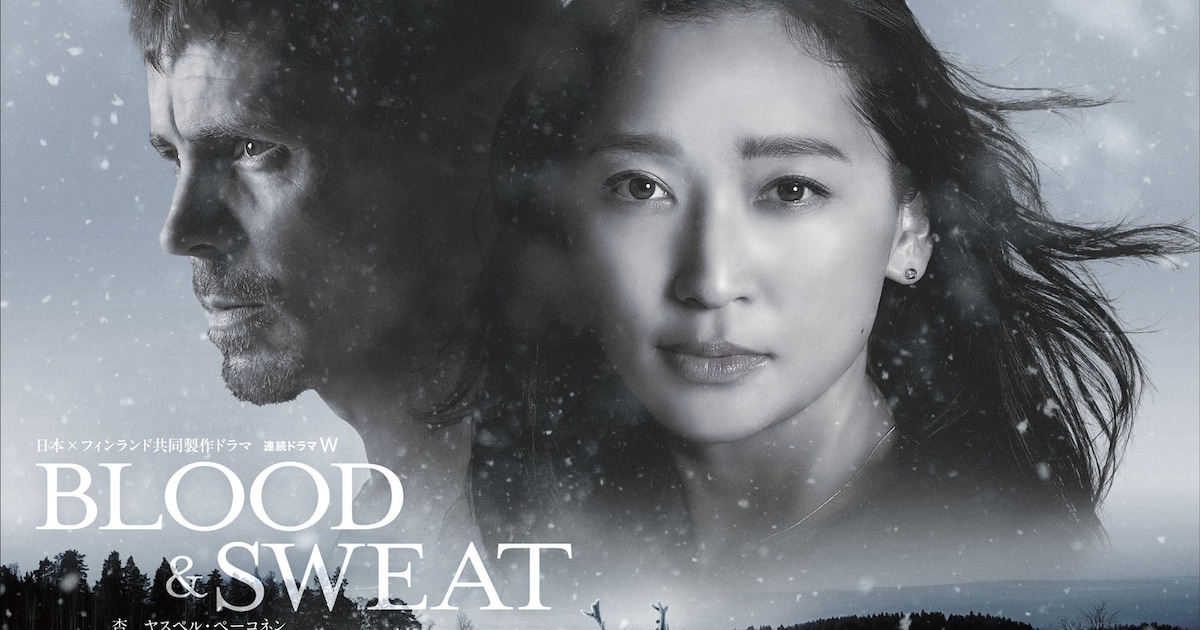
the fiscal implications of these international partnerships are significant. By sharing production costs and pooling talent from two distinct regions, studios can mitigate the financial risks associated with high-budget series while simultaneously broadening their potential subscriber base. This economic model is becoming a standard practice for studios aiming to compete with the dominant players in the streaming industry, as verified by recent data on international media collaborations and co-production agreements that indicate a sustained growth in cross-border content development via the World Intellectual Property Organization.
The Future of Globalized Entertainment
As we look ahead, the trajectory of Blood and Sweat may serve as a benchmark for future projects seeking to replicate this blend of Nordic discipline and Japanese imagination. The industry is currently observing a transition where “local” content is increasingly viewed as “global” content, provided the themes are universal enough to transcend language and cultural barriers. The exploration of grief, family secrets, and the search for truth—themes common to both Japanese and Nordic storytelling—provides a stable foundation for this experimental approach.
The ongoing development of these series underscores the necessity for creators to remain sensitive to the cultural nuances they are integrating. As production schedules and release windows for international projects continue to be finalized, audiences can expect a more diverse array of genre-defying series to hit streaming services by late 2026, and beyond. Readers interested in the official release schedules and regional availability for such titles are encouraged to monitor updates from their local streaming service providers, as specific platform rollouts are subject to regional licensing agreements and internal distribution strategies.
We welcome your thoughts on the rise of international coproductions. Are you finding that the blending of genres, such as Nordic noir and Japanese occult, adds depth to your viewing experience, or do you prefer the traditional hallmarks of each genre? Please feel free to share your perspectives in the comments section below as we continue to track the evolution of global television.
Related reading