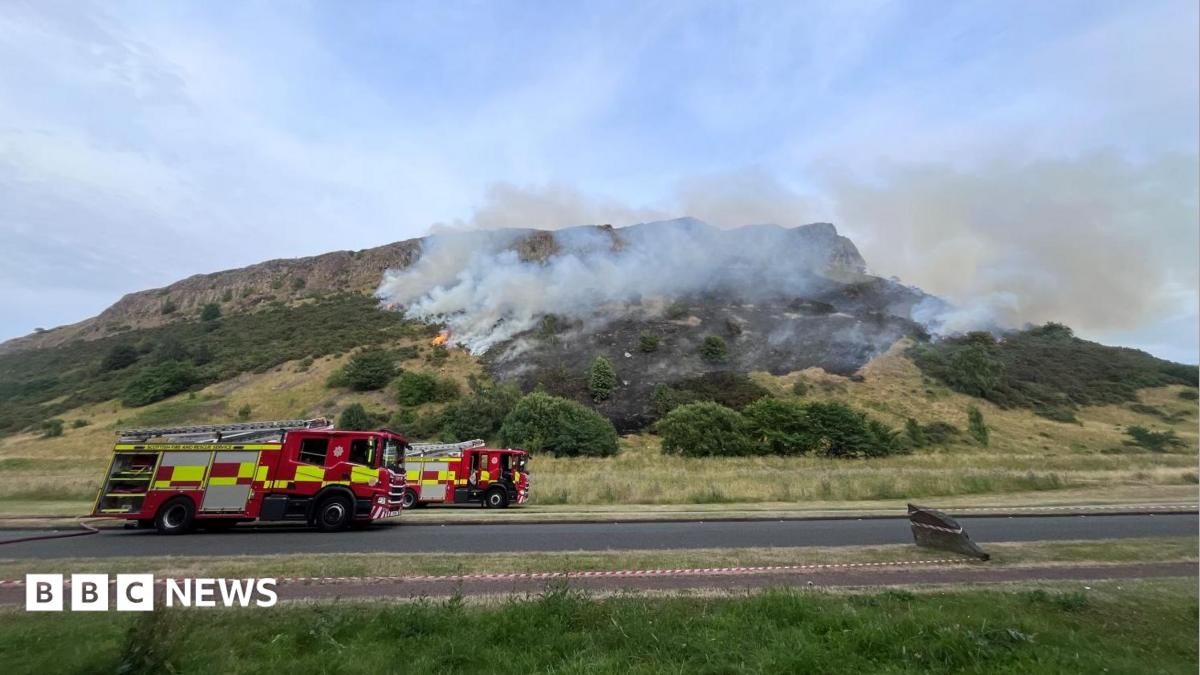
Fire crews were dispatched to Arthur’s Seat in Edinburgh on Sunday evening after a significant blaze broke out on the iconic hillside, sending a large plume of smoke across the city and into the surrounding region. The Scottish Fire and Rescue Service confirmed they received multiple reports of the fire as it spread across the park, which is managed by Historic Environment Scotland.
According to the Scottish Fire and Rescue Service, crews were mobilized shortly after the incident began to contain the flames and prevent further damage to the prominent landmark. While the smoke was visible from as far away as Fife, emergency responders worked throughout the evening to bring the situation under control. The cause of the fire has not yet been established, and authorities have issued no reports of injuries to the public or emergency personnel.
Emergency Response and Containment Efforts
The response to the fire at Arthur’s Seat involved coordinated efforts from local fire stations to navigate the challenging, rugged terrain of Holyrood Park. Because the location is a dormant volcano and a popular site for hikers, responders had to manage both the active fire and the safety of any individuals in the vicinity. The Scottish Government and local park authorities frequently remind visitors of the high risk of wildfires during dry periods, particularly in areas with dense gorse and dry vegetation.
The scale of the fire was highlighted by the visibility of the smoke, which prompted widespread social media activity from residents across Edinburgh and the Lothians. Emergency services typically utilize specialist equipment, including all-terrain vehicles and beaters, to tackle fires in the park’s steep areas. Official updates regarding the status of the park and any potential closures are managed through the Historic Environment Scotland website, which serves as the primary portal for site-specific safety information.
Wildfire Risks in Holyrood Park
Arthur’s Seat has experienced similar incidents in the past, often attributed to the rapid drying of gorse—a prickly shrub that covers much of the hillside and burns intensely. Fire safety experts often categorize these incidents as preventable, though they can escalate quickly due to wind conditions and the difficulty of accessing the upper slopes of the extinct volcano. The Met Office provides regional fire severity index data that helps local authorities assess the likelihood of such events based on temperature and humidity levels.
Public safety remains the priority for the Scottish Fire and Rescue Service, which continues to monitor the area to ensure that no hotspots remain that could reignite. Visitors are advised to follow all signage within Holyrood Park and to report any signs of smoke or fire immediately by dialing 999. The site is a protected landscape, and fire damage can have lasting impacts on the local biodiversity and the structural integrity of the paths used by thousands of visitors annually.
Ongoing Monitoring and Official Updates
As of the most recent assessment, the fire has been brought under control, though investigation into the ignition source is expected to continue. There is currently no confirmed timeline for when a full damage report will be released by local authorities or environmental agencies. Members of the public who witnessed the start of the blaze or have information regarding its cause are encouraged to contact local authorities through the official Police Scotland reporting channels.

The next official update regarding the reopening of specific trails or areas of the park will be provided by Historic Environment Scotland. Residents and visitors can monitor their official social media feeds and website for real-time information on access restrictions. We encourage our readers to share their own verified observations in the comments section below, provided they remain within the bounds of official reporting.
Worth a look