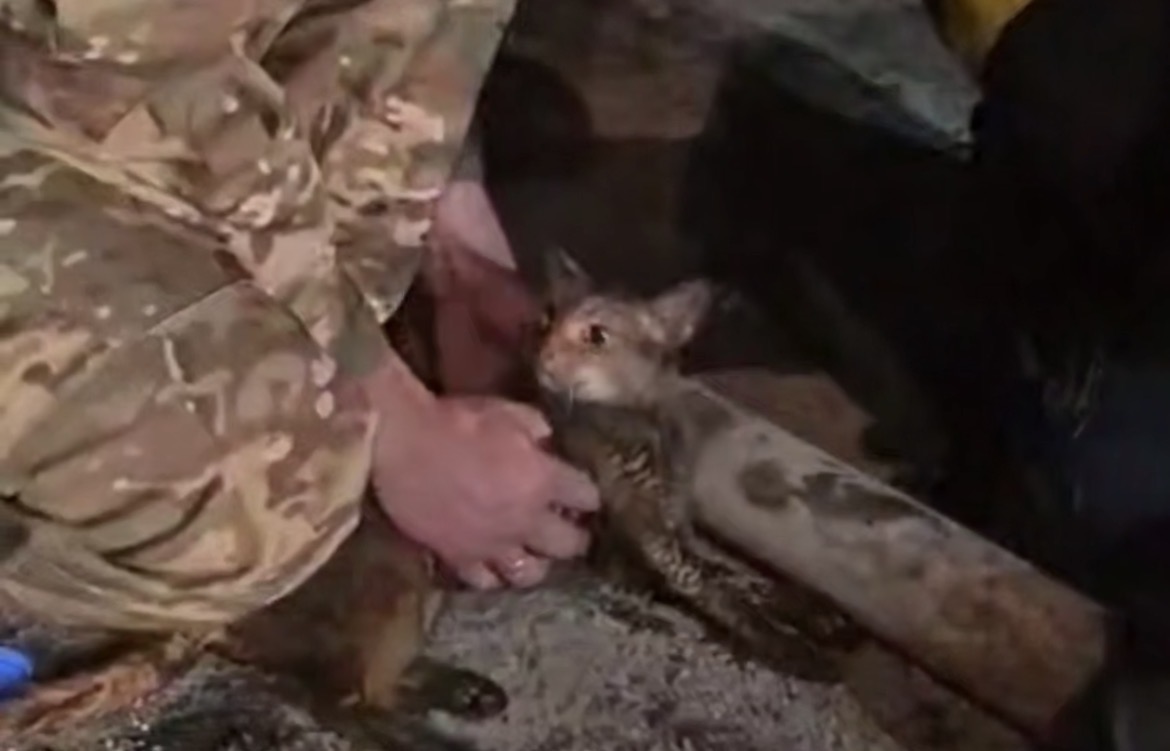
Emergency crews in Karaganda, Kazakhstan, successfully rescued 20 cats and one dog during a residential fire response, preventing a potentially catastrophic secondary explosion. According to the Ministry of Emergency Situations of the Republic of Kazakhstan, firefighters managed to contain the blaze and safely evacuate all animals trapped within the property.
The incident, which occurred in a residential sector, presented significant risks to both responders and the surrounding area. Beyond the animal rescue operation, personnel removed three pressurized gas cylinders from the structure. The presence of these containers posed a severe threat of explosion, which would have significantly complicated the containment efforts and endangered nearby buildings, as noted in official incident reports released by the regional emergency department.
Fire Safety and Animal Rescue Operations
The successful extraction of the pets highlights the specialized nature of urban search and rescue protocols. Firefighters often encounter pets during residential fires, but the removal of 21 animals in a single operation requires coordinated efforts to ensure the safety of both the rescuers and the animals. According to the Department of Emergency Situations for the Karaganda Region, the primary objective remained the total suppression of the fire while mitigating risks from flammable materials.

Gas cylinders are a common concern in residential fire incidents. When exposed to high heat, the pressure inside these containers can rise rapidly, leading to mechanical failure or BLEVE (Boiling Liquid Expanding Vapor Explosion) events. By identifying and removing three such cylinders during the operation, responders effectively eliminated a major variable that could have escalated the severity of the fire damage.
Managing Hazardous Materials in Residential Fires
The Karaganda operation underscores the importance of rapid hazard assessment during structural fires. The Ministry of Emergency Situations maintains strict protocols for the handling of volatile items like liquefied petroleum gas (LPG) tanks. Once the perimeter was secured and the animals were evacuated, fire crews focused on cooling the structure to prevent flare-ups.
For residents in the region, authorities frequently emphasize the necessity of reporting the presence of hazardous materials, such as fuel storage or gas canisters, to emergency dispatchers immediately upon calling for help. This information allows fire crews to adjust their tactical approach before arriving on the scene, potentially saving lives and property.
Community Impact and Safety Protocols
While the physical damage to the home is currently being assessed by local authorities, the survival of the animals has drawn significant attention from local community members. Residents are reminded that in the event of an emergency, the priority of professional responders is the preservation of human life, followed by the mitigation of property damage and the rescue of pets where conditions permit.
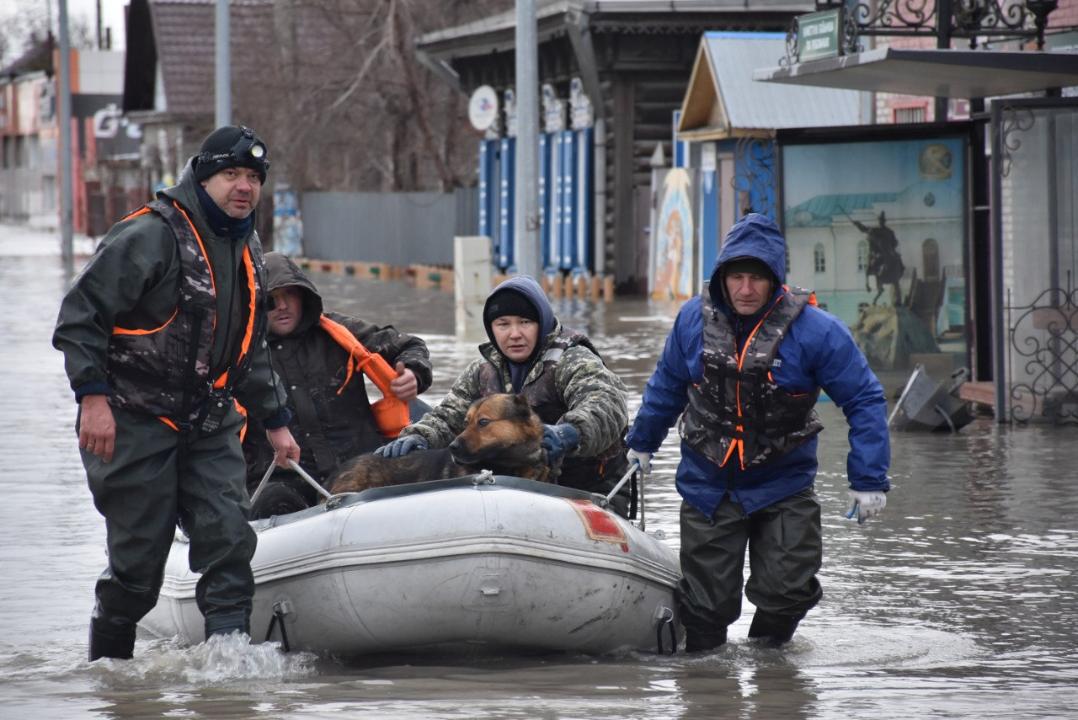
The Karaganda Emergency Department continues to monitor the site to ensure the structural integrity of the affected residence. Further updates regarding the cause of the fire and safety recommendations for homeowners will be provided through the official government information portal as investigations conclude.
Readers are encouraged to share this report to remind neighbors about the importance of fire safety and the proper storage of household hazardous materials. We welcome your thoughts on how local communities can better support animal safety during disaster responses in the comments section below.
Related reading