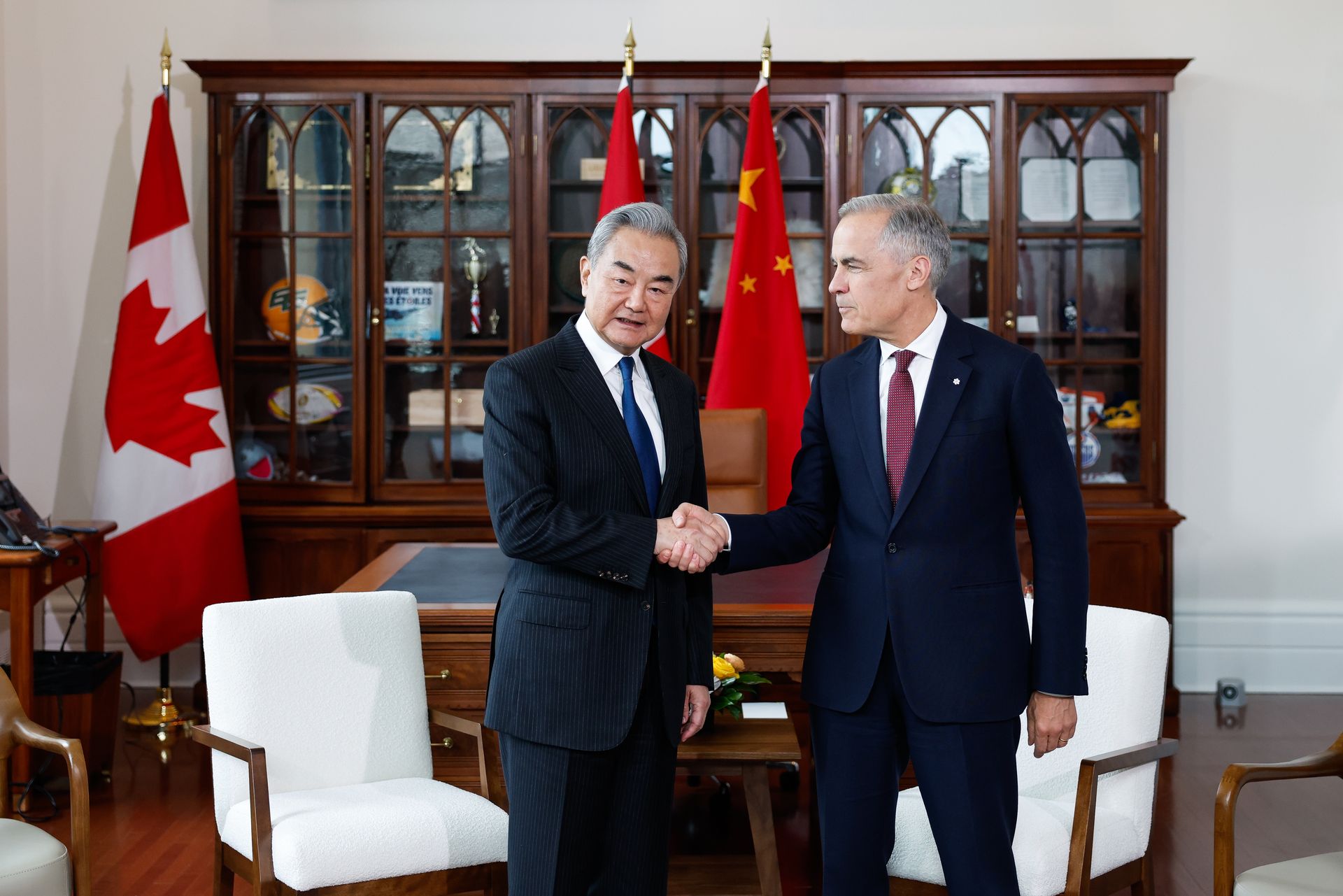
In a significant shift for North American trade relations, recent diplomatic engagements have highlighted the evolving economic landscape between Ottawa, and Beijing. For the first time in a decade, high-level ministerial dialogue has underscored the complexity of Canada’s international commerce strategy, particularly as the nation navigates its position within the global supply chain. As Canada continues to assess its market openness, the role of China as a primary trading partner remains a focal point for policymakers and industry leaders alike.
This development comes at a time when global trade dynamics are undergoing profound structural changes. Understanding the current status of these bilateral ties requires a look at the broader framework of Canadian trade policy, which has traditionally prioritized diversification while maintaining established relationships with major economies. According to Global Affairs Canada, the government maintains a rigorous framework for foreign investment and trade, balancing economic opportunity with national security considerations.
The Evolution of Canada-China Trade Relations
The history of trade between Canada and China has been marked by periodic fluctuations, influenced by both geopolitical developments and shifting domestic priorities in both nations. Over the past decade, the relationship has faced various challenges, ranging from regulatory hurdles to broader geopolitical tensions that have impacted the flow of goods and services. Despite these headwinds, China remains one of Canada’s largest trading partners, consistently ranking as a top destination for exports and a significant source of imports, as noted in recent data from Statistics Canada.

For Canadian exporters, the Chinese market offers immense scale, particularly in sectors such as agriculture, natural resources, and clean technology. However, the regulatory environment requires businesses to navigate complex compliance requirements. The Canadian government’s approach, as outlined in the Indo-Pacific Strategy, emphasizes a “pragmatic” engagement that seeks to cooperate on shared global challenges while defending Canadian interests and values.
Market Openness and Economic Strategic Planning
The concept of “market openness” is central to the current discourse surrounding Canada’s trade policy. As the government evaluates its economic dependencies, This proves increasingly focusing on the resilience of its supply chains. This strategy involves not only diversifying export markets but also ensuring that critical sectors—such as minerals and telecommunications—are protected from potential vulnerabilities. The Investment Canada Act serves as the primary legislative tool through which the federal government reviews foreign investments to ensure they do not compromise national security.

Recent high-level visits and diplomatic exchanges have been characterized by an emphasis on stability. By maintaining open lines of communication, both nations aim to manage trade disputes before they escalate, protecting the interests of businesses that rely on stable trans-Pacific trade routes. Analysts suggest that the primary challenge for Canadian officials is to foster an environment where trade can flourish without compromising the stringent standards set by domestic regulatory bodies.
Key Takeaways for Stakeholders
- Strategic Diversification: Canada continues to prioritize the expansion of trade agreements with multiple partners to mitigate risks associated with over-reliance on any single market.
- Regulatory Oversight: All foreign investments, regardless of origin, are subject to the provisions of the Investment Canada Act to ensure alignment with national security interests.
- Sectoral Focus: Key areas of interest for bilateral cooperation include sustainable energy, agricultural technology, and critical minerals, which are essential for the global transition to a low-carbon economy.
- Diplomatic Engagement: Ongoing ministerial-level talks are intended to provide a predictable framework for businesses operating across borders, despite underlying geopolitical complexities.
Looking Ahead: The Path for Bilateral Commerce
As we move through 2026, the trajectory of Canada-China trade relations will likely be defined by the ability of both nations to compartmentalize economic cooperation from broader political disagreements. The Canadian government has scheduled ongoing consultations with industry stakeholders to refine its trade strategies, ensuring they remain responsive to the needs of the domestic economy. Interested parties can monitor official updates through the Department of Finance Canada for upcoming policy announcements or regulatory changes.
The complexity of these relations serves as a reminder of the interconnected nature of the modern global economy. Whether through the lens of agriculture or advanced manufacturing, the decisions made in Ottawa and Beijing today will have lasting implications for businesses and consumers across the globe. As this story continues to develop, we invite our readers to share their perspectives in the comments section below and stay tuned for further reporting as more official information becomes available.