For decades, the narrative of Silicon Valley has been one of garages, rogue engineers, and the relentless pursuit of the “next big thing.” But if you peel back the layers of the most influential tech giants in history, you will find a consistent, recurring foundation that is far more institutional than anecdotal. The true engine of the Valley’s dominance isn’t just the spirit of entrepreneurship; it is the unparalleled academic and research infrastructure provided by institutions like Stanford University and the University of California, Berkeley.
When we examine the lineage of the modern digital economy, the connection between these elite universities and the corporate landscape becomes undeniable. From the algorithms that power our searches to the networking protocols that connect the globe, the “incubation” provided by these campuses has transformed academic research into the very fabric of global commerce. This isn’t merely a coincidence of geography; it is a deliberate, symbiotic relationship between high-level research and the venture-capital-driven market.
In this deep dive, we explore why Stanford and Berkeley have become the world’s most effective corporate incubators, how they have birthed industry titans like Google, Cisco, and Snapchat, and what this model means for the future of global innovation.
The Stanford Engine: From Research Papers to Global Empires
Stanford University occupies a unique position in the global tech hierarchy. It does not just teach computer science; it creates the environments where computer science can be commercialized. This “knowledge spillover”—the process by which academic breakthroughs migrate into the private sector—is most visible in the names that have emerged from its campus.
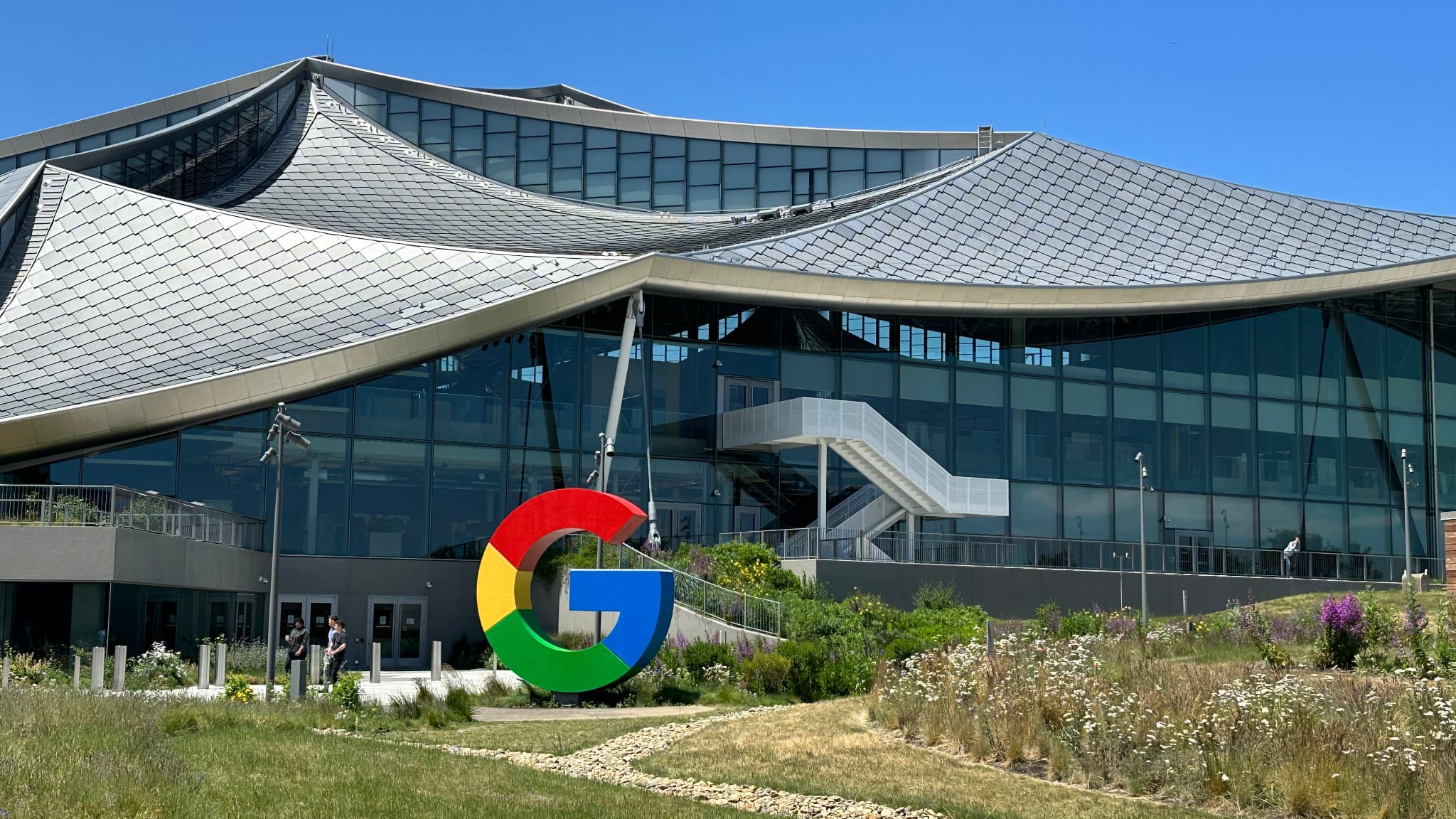
Perhaps the most iconic example is Google. Founded by Larry Page and Sergey Brin while they were pursuing their PhDs at Stanford, the search engine began as a research project aimed at organizing the world’s information. The transition from a university-based algorithm to a global powerhouse was facilitated by the proximity to Stanford’s talent pool and the intellectual rigor of its research environment. Stanford University has long been a primary source of the technical talent that fuels such transitions.

The pattern continues with Cisco Systems. The networking giant was founded by Leonard Bosack and Sandy Lerner, both of whom were computer scientists at Stanford. Their work on developing a way to connect different local area networks (LANs) directly leveraged the university’s research-heavy atmosphere, providing the technical foundation for what would become the backbone of the internet.
Even the social media landscape owes a significant debt to the Stanford ecosystem. Both Instagram and Snapchat trace their origins back to the university’s culture of rapid prototyping and student-led innovation. Instagram co-founder Kevin Systrom is a Stanford alumnus, and Snapchat was founded by Evan Spiegel and Bobby Murphy, both of whom were students at the institution. These companies represent a newer wave of the “incubator effect,” where the focus has shifted from infrastructure and search to mobile-first, social-centric technologies.
Beyond these giants, the university’s influence extends to Yahoo!, founded by Stanford PhD students Jerry Yang and David Filo, further cementing the school’s reputation as a breeding ground for the early web’s architects.
The Mechanics of Academic Incubation
Why does this happen so consistently at Stanford? It is the result of several converging factors:
- The Research-to-Market Pipeline: Unlike traditional academic models that prioritize publication alone, the Silicon Valley model encourages researchers to consider the commercial viability of their findings.
- Proximity to Capital: Stanford’s location places it in the immediate orbit of Sand Hill Road, the epicenter of global venture capital. This allows for a seamless transition from a lab prototype to a funded startup.
- The “Density” of Talent: The concentration of brilliant minds in a small geographic area creates a “network effect.” Founders meet co-founders, investors meet engineers, and ideas are exchanged in coffee shops and lecture halls.
The Berkeley Paradigm: Engineering Excellence and Public Innovation
While Stanford is often viewed through the lens of private research and venture capital, the University of California, Berkeley provides a different, yet equally vital, pillar of the Silicon Valley ecosystem. Berkeley’s contribution is rooted in its reputation for world-class engineering and its role as a public institution that democratizes access to high-level technical training.
Berkeley has historically been a powerhouse for fundamental breakthroughs in computer science, electrical engineering, and biotechnology. Its influence is felt not just in the companies founded by its alumni, but in the massive influx of highly skilled engineers who enter the workforce and drive innovation within established giants and emerging startups alike. The “Berkeley way” often emphasizes open research and a deep, foundational understanding of complex systems, which has been instrumental in the development of everything from open-source software to advanced semiconductor technology.
The synergy between the private-sector focus of Stanford and the engineering-heavy, research-driven mission of Berkeley creates a dual-engine effect for the region. While one focuses on the commercialization of ideas, the other provides the deep technical rigor and the massive talent pipeline necessary to sustain long-term technological growth.
The Ecosystem Effect: Beyond the Campus Gates
It is important to recognize that the success of these universities is not an isolated phenomenon. They are part of a much larger, integrated ecosystem that includes the broader Silicon Valley area. This ecosystem encompasses not just the schools, but also the specialized legal services, the venture capital firms, the massive consumer markets, and the culture of risk-taking that defines the region.
Companies like Netflix, while not direct “university spin-offs” in the same manner as Google, are quintessential products of this environment. Founded in the late 1990s in the California tech corridor, Netflix benefited from the regional expertise in software development, the availability of high-speed infrastructure, and the proximity to the talent pools cultivated by both Stanford and Berkeley.
This “agglomeration economy”—where businesses and individuals cluster together to benefit from shared resources and specialized labor—is what makes the region resilient. When a new technology emerges, such as Artificial Intelligence, the existing infrastructure of universities, investors, and experienced entrepreneurs allows the region to pivot and lead once again.
| Feature | Stanford Model | Berkeley Model |
|---|---|---|
| Primary Driver | Commercialization of Research | Fundamental Engineering & Research |
| Core Strength | Entrepreneurial Ecosystem & VC Proximity | Technical Rigor & Large-Scale Talent Pipeline |
| Typical Output | High-Growth Tech Startups | Foundational Tech & Engineering Breakthroughs |
Why It Matters: The Future of the Incubator Model
As we move deeper into the era of Artificial Intelligence and decentralized computing, the question arises: can this model be replicated elsewhere? While cities like Austin, London, and Bangalore are growing their tech sectors, they face the challenge of replicating the decades-old, deeply entrenched synergy between elite research universities and concentrated venture capital.
The “Stanford-Berkeley” effect is difficult to manufacture because it relies on more than just funding; it relies on density. The density of talent, the density of capital, and the density of shared history create a flywheel effect. Every new company founded by a Stanford grad makes the university more attractive to the next generation of innovators, which in turn attracts more investment, creating a self-sustaining cycle of growth.
For the global economy, this means that the intellectual property and the economic value generated by these institutions have profound implications. The “incubation” happening in these campuses doesn’t just create wealth for the founders; it sets the standards for how the world communicates, works, and lives.
Key Takeaways
- Institutional Foundation: Major tech giants like Google, Cisco, and Snapchat were not just “born in Silicon Valley”; they were products of the specific academic ecosystems of Stanford and Berkeley.
- The Symbiotic Cycle: Success is driven by the interaction between high-level academic research, proximity to venture capital, and a dense talent pipeline.
- Knowledge Spillover: The transition from theoretical research (e.g., Google’s original algorithms) to commercial products is a hallmark of the Stanford model.
- Ecosystem Resilience: The combination of private research excellence and public engineering strength creates a robust environment that can adapt to new technological shifts like AI.
Frequently Asked Questions
Q: Is Silicon Valley only about Stanford?
A: No. While Stanford is a massive driver, the ecosystem relies heavily on the engineering talent from UC Berkeley and the broader regional infrastructure, including venture capital and specialized legal services.

Q: Can any university become a tech incubator?
A: While many universities have entrepreneurship programs, true “incubation” requires a high density of venture capital, a culture of risk-taking, and a seamless connection between research and industry that takes decades to build.
Q: How does AI change this dynamic?
A: AI is currently being driven by the same academic-industry synergy. The next wave of AI breakthroughs is likely to emerge from the same research-heavy environments that produced the original internet giants.
The next major evolution in this landscape will likely be seen in the upcoming academic cycles and the next wave of patent filings from these research institutions. We will continue to monitor how the integration of AI research into these university ecosystems shifts the traditional startup model.
What do you think? Is the “University-as-Incubator” model still the most effective way to drive innovation, or are we seeing a shift toward decentralized, remote-first entrepreneurship? Share your thoughts in the comments below and share this article with your network.
Related reading