
As spring transitions into the warmer months, many of us look forward to the simple pleasure of line-drying our laundry in the fresh air. However, for the millions of individuals worldwide suffering from seasonal allergic rhinitis, this common chore can inadvertently turn a home into a reservoir for airborne irritants. While we often focus on keeping our indoor air clean, a frequently overlooked source of respiratory distress is the pollen trapped within our clothing, bed sheets, and towels.
Managing seasonal pollen allergies requires a multifaceted approach to environmental control. When laundry is hung outside during peak pollination periods—which vary by region and plant species—microscopic pollen grains easily adhere to damp fabrics. Once brought inside, these “invisible nets” can trigger persistent sneezing, nasal congestion, eye irritation, and, in more severe cases, exacerbate asthma symptoms, particularly in children and those with hyper-responsive airways.
The Science of Pollen Adhesion to Textiles
Pollen grains are remarkably resilient biological particles, often equipped with structural features such as hooks or sticky coatings that allow them to attach securely to surfaces. When fabrics are left outdoors, they act as passive filters, collecting these grains from the breeze. According to the Asthma and Allergy Foundation of America, pollen counts are typically highest in the early morning and late afternoon, though wind conditions can alter this dispersion significantly.
The issue is not merely the presence of pollen on the surface of the fabric; it is the transfer mechanism. When you wear a shirt or lie on a pillowcase that has been dried outdoors, your body heat and movement can dislodge these particles, bringing them into direct contact with your respiratory tract. For someone with a sensitized immune system, this consistent exposure can lead to a state of chronic inflammation, making it challenging to find relief even when indoors.
Practical Strategies for Allergy-Proofing Your Laundry Routine
To minimize your exposure, it is essential to adjust how you handle linens and clothing during high-pollen seasons. While air-drying is energy-efficient and eco-friendly, it may not be the healthiest choice for everyone during the height of the allergy season. Consider the following evidence-based adjustments to your routine:
- Prioritize Machine Drying: During peak pollen counts, utilizing a clothes dryer is the most effective way to prevent pollen accumulation. High temperatures help neutralize some allergens and ensure that particles are captured by the dryer’s lint trap rather than being released into your home.
- Monitor Local Forecasts: Use reputable meteorological services to track local pollen levels. Many national health agencies provide daily alerts that help you decide when it is safer to open windows or hang laundry outdoors.
- Strategic Scheduling: If you must line-dry, aim to do so during times when pollen counts are lowest, typically after a significant rainfall, which helps “wash” the air of airborne particles, or during mid-day when pollen concentrations may stabilize.
- Indoor Alternatives: If outdoor drying is not possible, utilize indoor drying racks in a well-ventilated room with an air purifier equipped with a HEPA filter nearby.
Understanding the Impact on Pediatric Health
Children are often more vulnerable to these environmental triggers. Their developing immune systems and smaller airways can make them more susceptible to the inflammatory effects of inhaled allergens. Research published by the National Institutes of Health emphasizes that reducing total allergen burden in the home environment is a critical component of asthma management for pediatric patients. This involves not only managing bedding and clothing but also maintaining a clean living space to prevent the accumulation of pollen tracked in from the outside.
If you notice that your child’s symptoms—such as persistent coughing, wheezing, or nighttime congestion—worsen after they have been sleeping in freshly laundered sheets, it is worth evaluating your drying methods. It is not always the detergent or the fabric softener causing the reaction; often, it is the invisible guest brought in from the garden.
When to Seek Professional Medical Advice
While environmental modifications are powerful tools, they are not a substitute for medical treatment. If your symptoms are interfering with your quality of life, sleep, or ability to perform daily activities, it is time to consult a healthcare professional. An allergist or immunologist can conduct skin prick tests or blood tests to identify specific pollen triggers, such as grass, tree, or weed pollens.
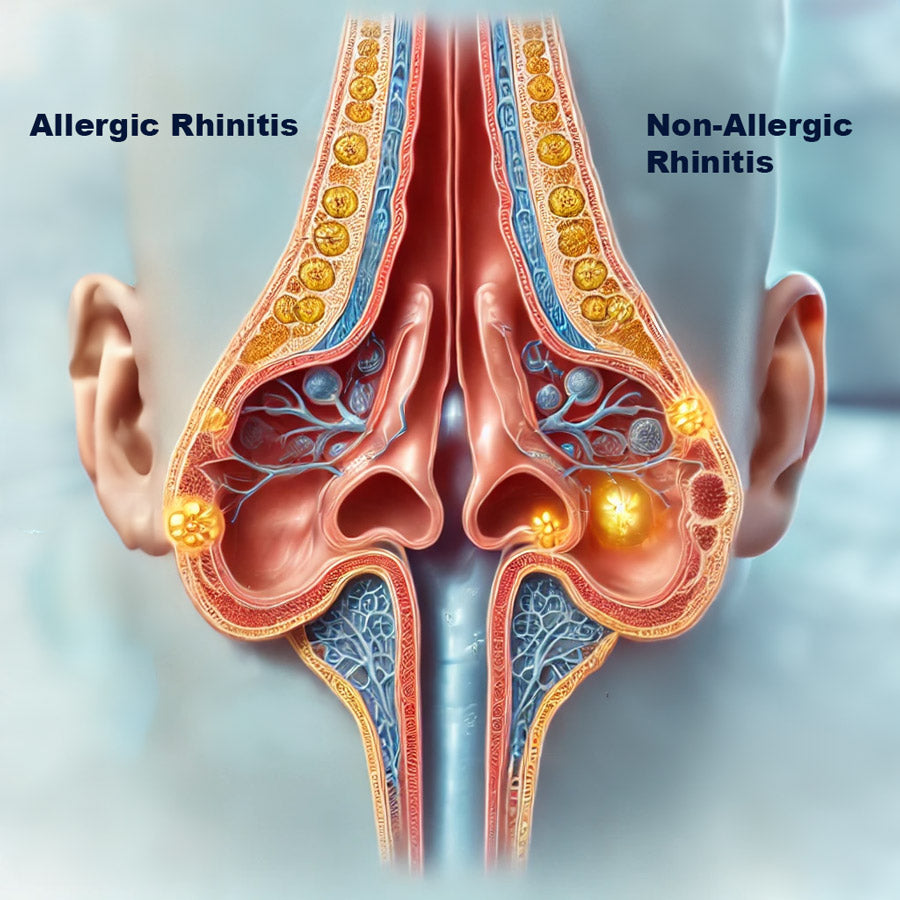
Modern medical management for seasonal allergies has evolved significantly. From non-sedating antihistamines to prescription nasal corticosteroids and, in some cases, allergen immunotherapy (allergy shots or sublingual tablets), there are numerous ways to manage the immune system’s overreaction. Always discuss your symptoms with a qualified physician before starting new medications, as they can provide personalized guidance based on your medical history.
Key Takeaways for Managing Seasonal Allergies
| Action | Benefit |
|---|---|
| Use a tumble dryer | Prevents pollen from sticking to damp clothes. |
| Check pollen counts | Allows for informed decisions about outdoor activities. |
| Shower before bed | Removes residual pollen from hair and skin. |
| Consult an allergist | Provides a targeted, evidence-based treatment plan. |
As we continue to navigate the complexities of environmental health, remember that minor changes in our daily habits can yield significant improvements in our well-being. By being mindful of how we handle our laundry, we can reclaim our homes as a true sanctuary from the elements. We encourage you to stay informed by checking your local health department’s updates on air quality and pollen levels throughout the season.
Have you adjusted your laundry routine this year, or have you found other effective ways to manage your seasonal allergies at home? We invite you to share your experiences and questions in the comments section below. Your insights help us foster a more informed community as we all work toward better respiratory health.