
As we look back at the cultural phenomenon that has defined generations, it is impossible to ignore the sheer scale of the franchise’s legacy. Celebrating 30 years of Pokémon is not just about marking a corporate milestone. it is about recognizing how a series of role-playing games, which first launched in Japan on February 27, 1996, transformed into a global pillar of entertainment, spanning trading cards, animated series, and record-breaking feature films. As an entertainment journalist who has covered the evolution of pop culture for over 15 years, I find the enduring appeal of these pocket monsters a fascinating study in modern media longevity.
The journey of this franchise, often summarized through 30 moments of Pokémon history, reflects a broader shift in how digital properties influence our collective consciousness. From the early days of the Game Boy to the explosion of augmented reality with Pokémon GO in 2016, the brand has consistently found ways to bridge the gap between technological innovation and nostalgic storytelling. According to official company records, the franchise has maintained its relevance by continuously adapting its core mechanics while respecting the foundational lore that captured the hearts of millions three decades ago.
Whether you were there for the original release of Pokémon Red and Green or joined the ranks during the mobile gaming revolution, the impact of this intellectual property is undeniable. In this deep dive, we explore why this franchise remains a dominant force in the entertainment industry and what the future holds as the brand moves past its third decade.
The Evolution of a Global Icon
To understand why the “30 years, 30 moments” narrative resonates so strongly with fans, we must look at the structural growth of the brand. The initial release in 1996 was followed by an aggressive expansion into international markets, with the North American launch of Pokémon Red and Blue occurring in September 1998, as noted by Nintendo’s historical archives. This rapid internationalization set the stage for a multimedia empire that would eventually include a long-running anime series, which has aired over 1,200 episodes worldwide.

The strategy behind the franchise has always been one of accessibility combined with depth. For casual observers, it is a simple game of collection, and combat. For the dedicated community, it is a complex tactical experience involving competitive breeding, stat optimization, and intricate type-matchup knowledge. This dual-layered appeal is exactly why the franchise has been able to bridge the generational divide, with parents who grew up with the original Game Boy games now sharing the experience with their children via the latest Nintendo Switch titles.
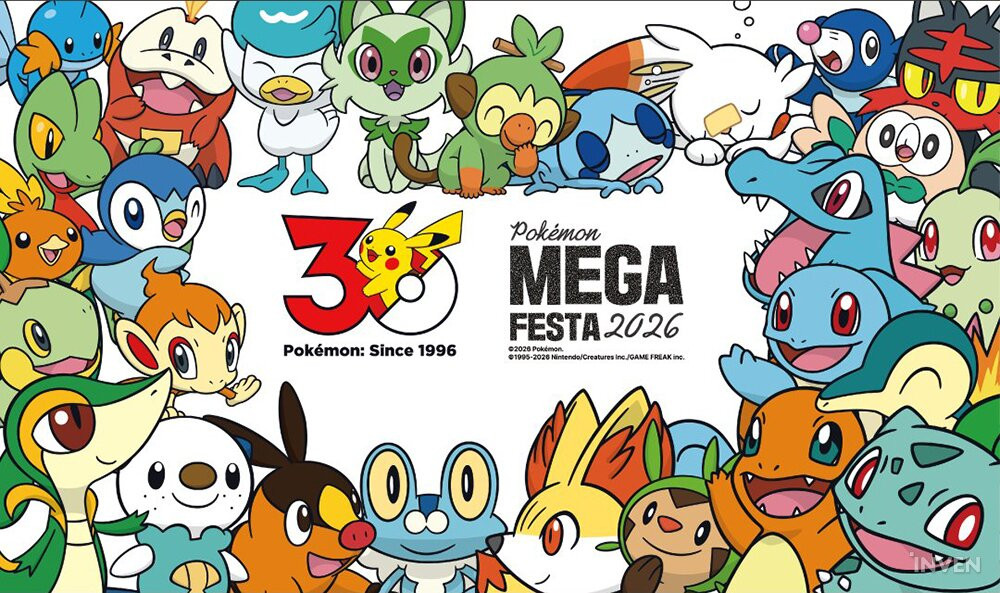
A glimpse into the visual history of the franchise, showcasing the evolution of character design and aesthetic over three decades of development.
Technological Milestones and Cultural Impact
One of the most critical moments in the last 30 years was the release of Pokémon GO. Developed by Niantic in collaboration with The Pokémon Company, the application brought the concept of “catching them all” into the real world. By utilizing location-based technology, the game forced a shift in how we perceive mobile gaming, moving it from a solitary experience to a social, outdoor activity. Data from industry analytics firm Statista confirms that the game saw over 1 billion downloads globally within its first few years, highlighting the sheer scale of its cultural penetration.
Beyond the software, the trading card game (TCG) has become a massive economic entity in its own right. The scarcity of certain cards, combined with the nostalgia factor, has driven a secondary market that sees rare collectibles fetching significant sums at auction. This secondary market has matured into a sophisticated ecosystem, with grading services and professional appraisal standards that mirror traditional fine art markets. It is a testament to the brand’s power that a piece of cardboard can hold such immense value, both sentimentally and financially, in the eyes of enthusiasts.
Key Takeaways: Why the Brand Endures
- Versatility: The ability to pivot between handheld consoles, mobile devices, and physical card games ensures the brand is always present in the consumer’s lifestyle.
- Community Engagement: Through events like the Pokémon World Championships, the company fosters a competitive scene that keeps the player base invested for years.
- Constant Reinvention: From the introduction of “Mega Evolution” to the open-world mechanics seen in recent titles, the developers prioritize innovation alongside legacy.
- Global Accessibility: By localizing content into numerous languages, the franchise has successfully penetrated diverse markets across Asia, Europe, and the Americas.
Looking Toward the Future
As we move beyond the 30-year mark, the focus shifts to what comes next. The industry is currently watching for announcements regarding the next iteration of the main series games and potential expansions into new media formats, including live-action adaptations and immersive digital experiences. The Pokémon Company has historically been tight-lipped about future developments until they are ready for a global reveal, often using their “Pokémon Presents” video showcases to manage expectations and maintain mystery.
For fans and investors alike, the next major checkpoint will be the upcoming fiscal year-end reports and potential announcements at major gaming conventions, where the company typically outlines its roadmap for the next 12 to 24 months. These events are where we get our first look at the direction the franchise will take, whether it involves new hardware compatibility or shifts in the narrative scope of the games.
The longevity of this series is not an accident; it is the result of a deliberate, long-term strategy that values user experience above all else. As someone who has covered the industry for over a decade, I can say with confidence that the “30 years, 30 moments” narrative is merely a chapter in a much larger story. The bond between the players and these creatures has proven to be as resilient as the brand itself.
What has been your favorite moment in the history of this franchise? Are you a long-time collector of the cards, or did you discover the world through the digital games? I invite you to share your thoughts and join the conversation in the comments section below. Your experiences are what truly define the legacy of this incredible journey.