For years, the trajectory of wearable technology has been a relentless race toward more pixels, brighter displays and more complex interfaces. From the early days of simple step counters to the sophisticated OLED panels of the latest smartwatches, the goal was always to put more information directly on the wrist. However, a growing segment of health-conscious users is beginning to push back against “screen fatigue,” seeking a more passive, less distracting way to monitor their biology.
This shift in consumer sentiment is precisely why the recent, unconfirmed sightings of a screen-less Fitbit device have ignited such intense discussion among tech enthusiasts, and athletes. While Google and Fitbit have not officially announced a new product, a series of leaked images and public sightings suggest that the company is preparing to enter the “invisible” wearable market—a space currently dominated by players like WHOOP and Oura.
As someone who has spent nearly a decade bridging the gap between software development and technology journalism, I locate this move strategically fascinating. Removing the screen isn’t just a design choice; it is a fundamental shift in how a device manages power, collects data and interacts with the user. By offloading the visual interface to a smartphone, Fitbit could potentially solve the two biggest pain points of the modern smartwatch: battery anxiety and constant notification distractions.
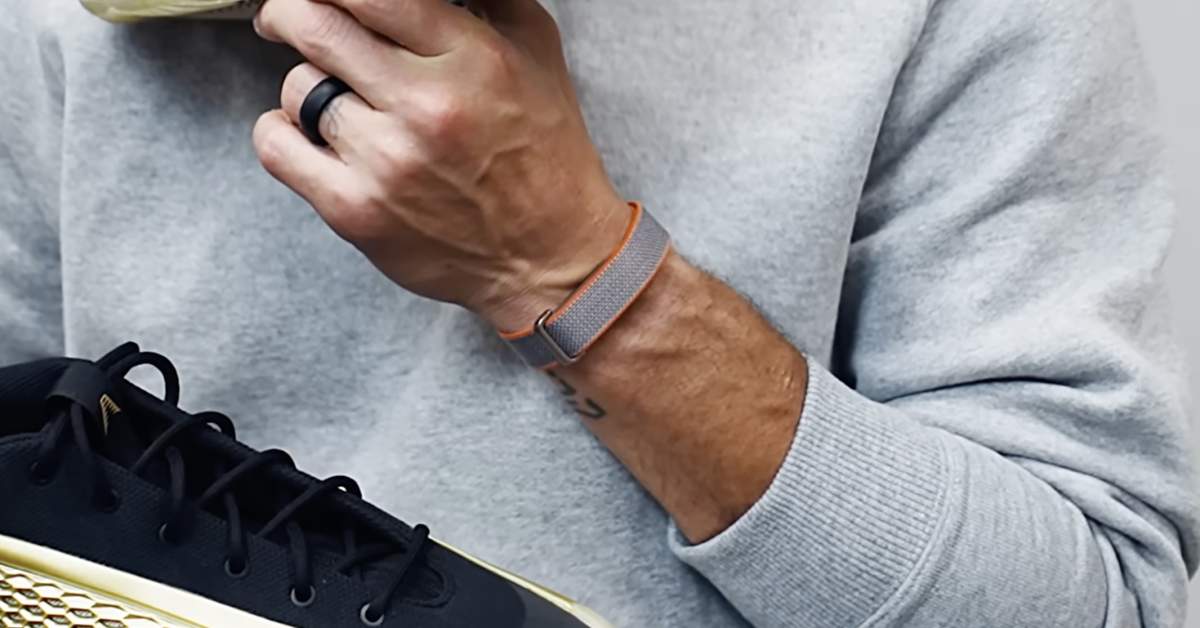
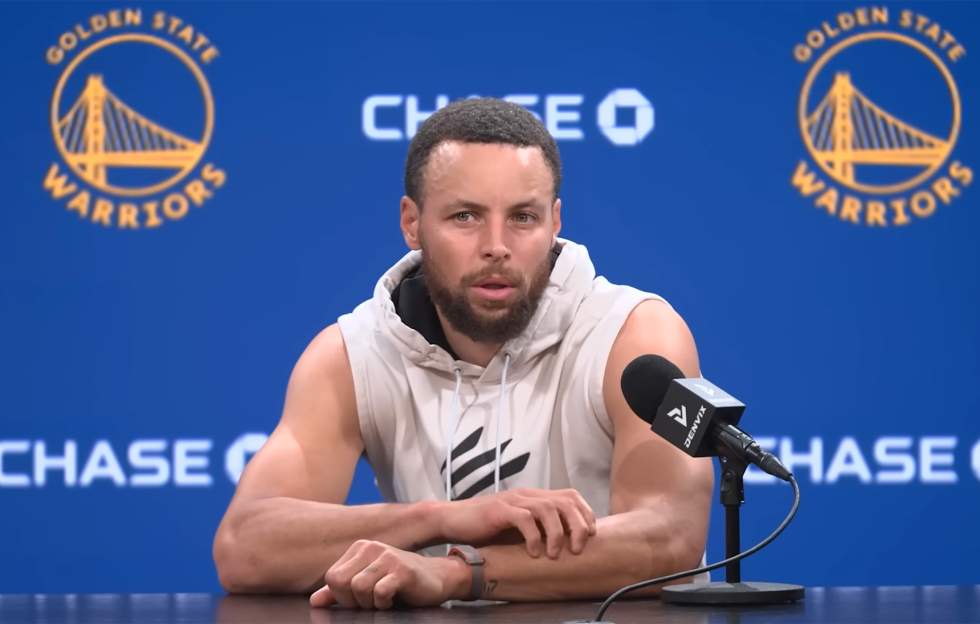
The buzz surrounding this upcoming hardware has been fueled largely by unconfirmed reports of NBA superstar Steph Curry wearing a mysterious, screen-free band during public appearances and workouts. These sightings, which have been noted in various tech circles since early this year, point toward a device designed for high-performance athletes who need deep biometric insights without the bulk or distraction of a traditional watch.
The Hardware: A Study in Minimalism
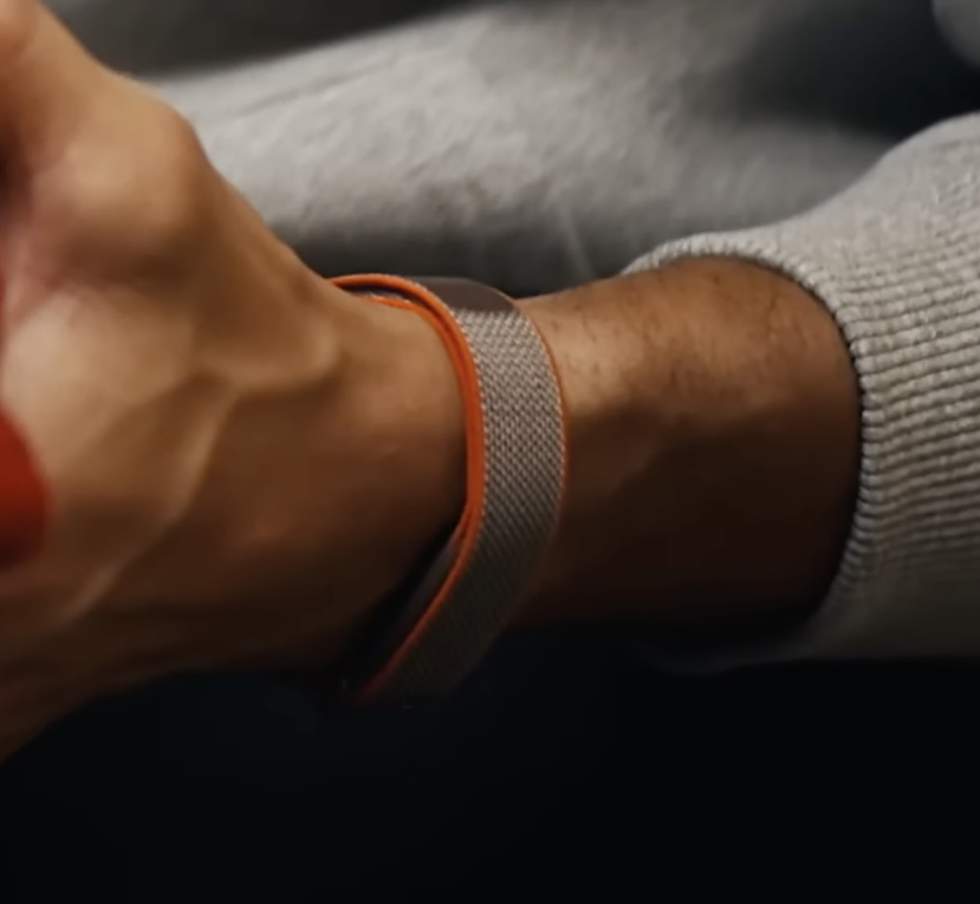
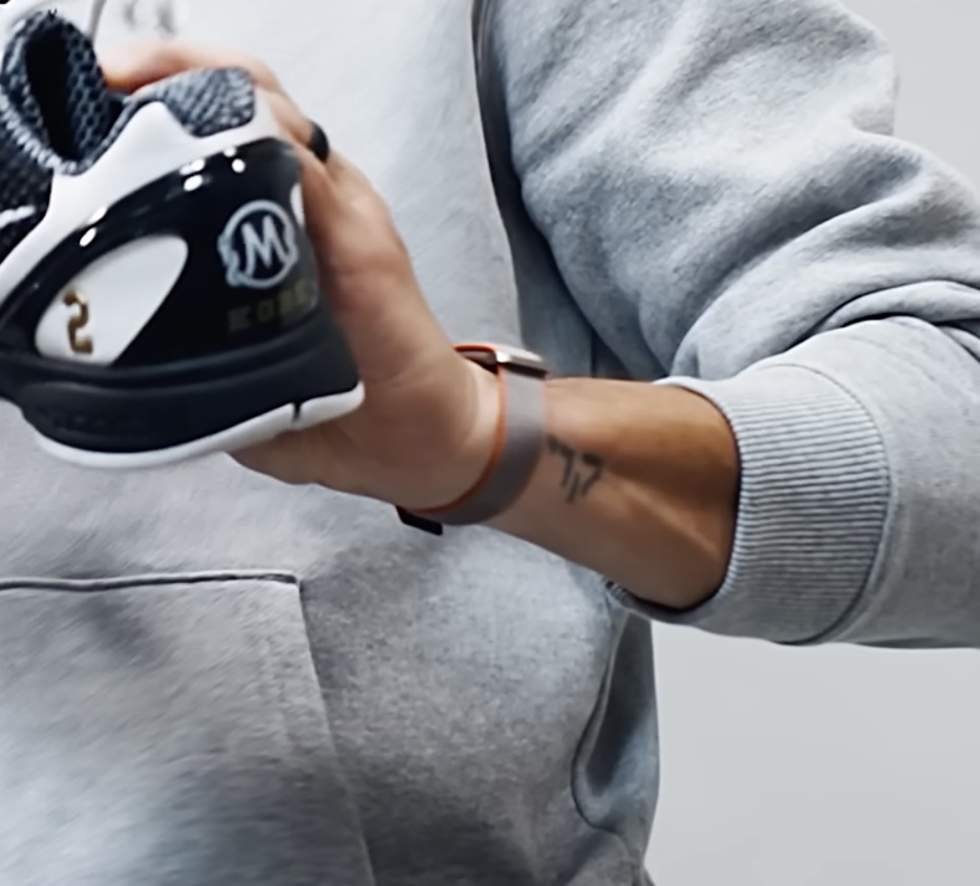
Based on the available leaked imagery, the device appears to be significantly thinner than current market competitors. For context, the WHOOP strap is already praised for its low profile, but the rumored Fitbit device seems to push the envelope even further, aiming for a “bracelet” feel rather than a “gadget” feel.
The design consists of a sleek, elongated sensor module integrated into a single, continuous band. This band appears to wrap around the wrist, passing through a metal loop and securing itself, creating a snug fit essential for accurate heart rate and blood oxygen monitoring. Interestingly, the material and aesthetic of the band bear a striking resemblance to the Pixel Watch Performance Loop, specifically in a soft, muted tone similar to the “Peony” colorway. This suggests a tight integration with Google’s existing accessories ecosystem, utilizing recycled polyester, nylon, and elastane yarns for maximum comfort during intense physical activity.
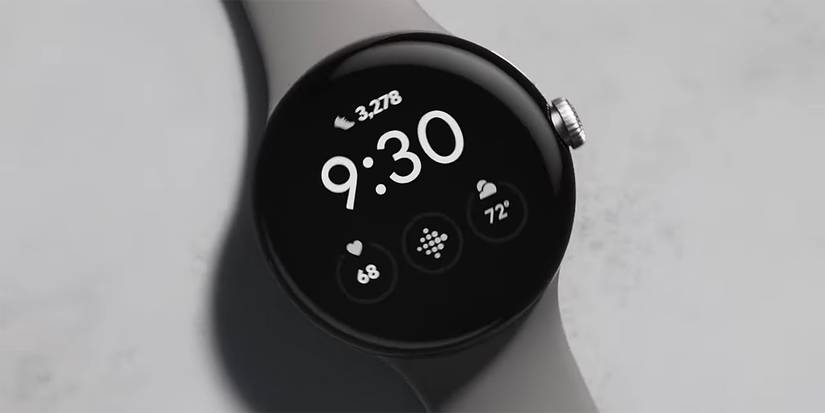

From a computer science perspective, the removal of the screen is a massive win for battery efficiency. The display is typically the most power-hungry component of any wearable. By eliminating the OLED panel, Fitbit can either shrink the battery to make the device even thinner or extend the battery life from hours to multiple days, or even weeks. This would place it in direct competition with the “set it and forget it” experience that makes screen-less trackers so appealing to professional athletes.
Rethinking the User Experience: From Wrist to Phone
The most intriguing part of this leak isn’t the hardware, but the potential software shift. If there is no screen on the wrist, the entire user interface (UI) must move to the companion app. Recent unconfirmed sightings of a Pixel phone during athlete workouts have shown a workout tracking interface that differs from the current Fitbit app.
The leaked screenshots show a “Live Data” mode for a “Sport” activity, displaying real-time metrics such as cardio load, heart rate, energy burned, and elapsed time. While the current Fitbit app can handle some live activities, they are generally tied to GPS-based exercises. The ability to stream “live” biometric data from a screen-less sensor to a phone—without requiring a GPS lock—would be a significant upgrade to the Fitbit ecosystem.
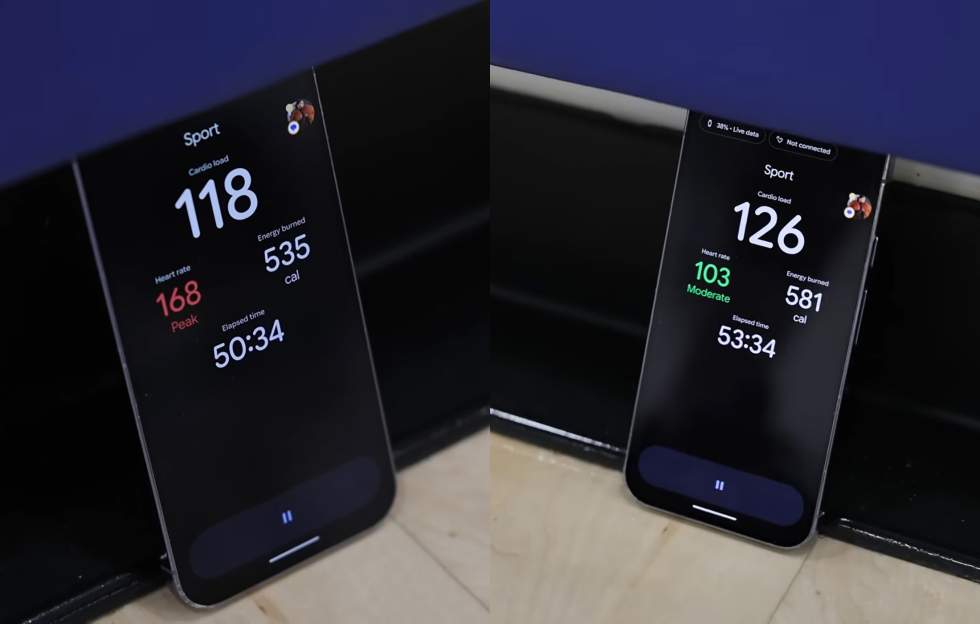
This approach mirrors the strategy used by WHOOP, where the device acts as a silent data collector and the app acts as the analytical hub. For the user, this means the “pause” or “start” of a workout happens on the phone, or perhaps via a haptic gesture on the band, removing the need to squint at a tiny screen in the middle of a sprint or a lifting set.
Why This Matters: The Battle for Biometric Dominance
Google’s acquisition of Fitbit was always about more than just step counting; it was about integrating health data into the broader AI-driven Google ecosystem. By introducing a screen-less device, Google is targeting a specific psychological trigger: the desire for a “digital detox.”
Many high-performance individuals are finding that smartwatches, with their constant pings and notifications, are an intrusion. A screen-less wearable allows for “passive tracking”—the ability to collect high-fidelity data on sleep, recovery, and strain without the mental load of a connected device. If Fitbit can successfully marry its industry-leading health metrics with a zero-distraction form factor, it could capture a significant portion of the luxury health market.
the integration of this data into Google’s AI could allow for more predictive health insights. Imagine a system that doesn’t just share you that you slept poorly, but analyzes your “cardio load” and “recovery score” to suggest a specific workout intensity for the day, all delivered via a morning notification on your phone rather than a buzz on your wrist.
Comparing the Wearable Paradigms
To understand the impact of this rumored device, it is helpful to compare the two primary philosophies of modern health tracking.
| Feature | Screen-Based (e.g., Pixel Watch) | Screen-Less (e.g., Rumored Fitbit) |
|---|---|---|
| Primary Interaction | On-device touch/voice | Companion Smartphone App |
| Battery Life | Hours to a few days | Multiple days to weeks |
| User Focus | Instant notifications/apps | Passive biometric collection |
| Form Factor | Larger, more prominent | Thin, discreet, bracelet-like |
| Primary Use Case | General productivity & health | Deep recovery & athletic performance |
The Competitive Landscape: Fitbit vs. The Specialists
The entrance of Fitbit into the screen-less arena puts it on a collision course with specialized health trackers. WHOOP, for instance, has built a loyal following by focusing entirely on recovery and strain, using a subscription-only model that emphasizes the service over the hardware. Oura has done the same with the smart ring, focusing on sleep and readiness.
Fitbit’s advantage will be its existing scale. Most people already have a smartphone, and many already use Google services. If Google bundles the screen-less tracker as a companion to the Pixel Watch—or as a standalone device for those who hate watches—they can leverage a massive existing user base. The question remains whether they will adopt a subscription model similar to WHOOP or stick to the traditional hardware-purchase model.
From a technical standpoint, the challenge will be ensuring the sensor accuracy remains high without the user being able to easily check the “connection status” on the device itself. Google will need to perfect the haptic feedback system to alert users of low battery or sync errors without needing a visual display.
What Happens Next?
While the evidence is compelling, it is important to remember that these are unconfirmed leaks. Google is known for its secretive development cycles, and “testing in the wild” with high-profile athletes like Steph Curry is a standard part of their beta-testing process. This ensures the hardware can withstand the rigors of professional sports before it ever hits a retail shelf.
The industry is currently awaiting an official announcement or a regulatory filing that would confirm the device’s technical specifications and official name. Given the timing of previous Google hardware launches, we may see more concrete details as we move closer to their typical autumn event cycle.
If this device launches as expected, it could signal the beginning of the finish for the “all-in-one” smartwatch for some users, splitting the market between “productivity watches” for the office and “biometric bands” for the gym and sleep. It is a sophisticated approach to health that recognizes that sometimes, the best way to stay connected to our health is to disconnect from our screens.
We want to hear from you: Would you trade your smartwatch screen for a week of battery life and zero distractions? Or is the ability to check a text on your wrist too valuable to give up? Let us know in the comments below and share this analysis with your fellow tech enthusiasts.