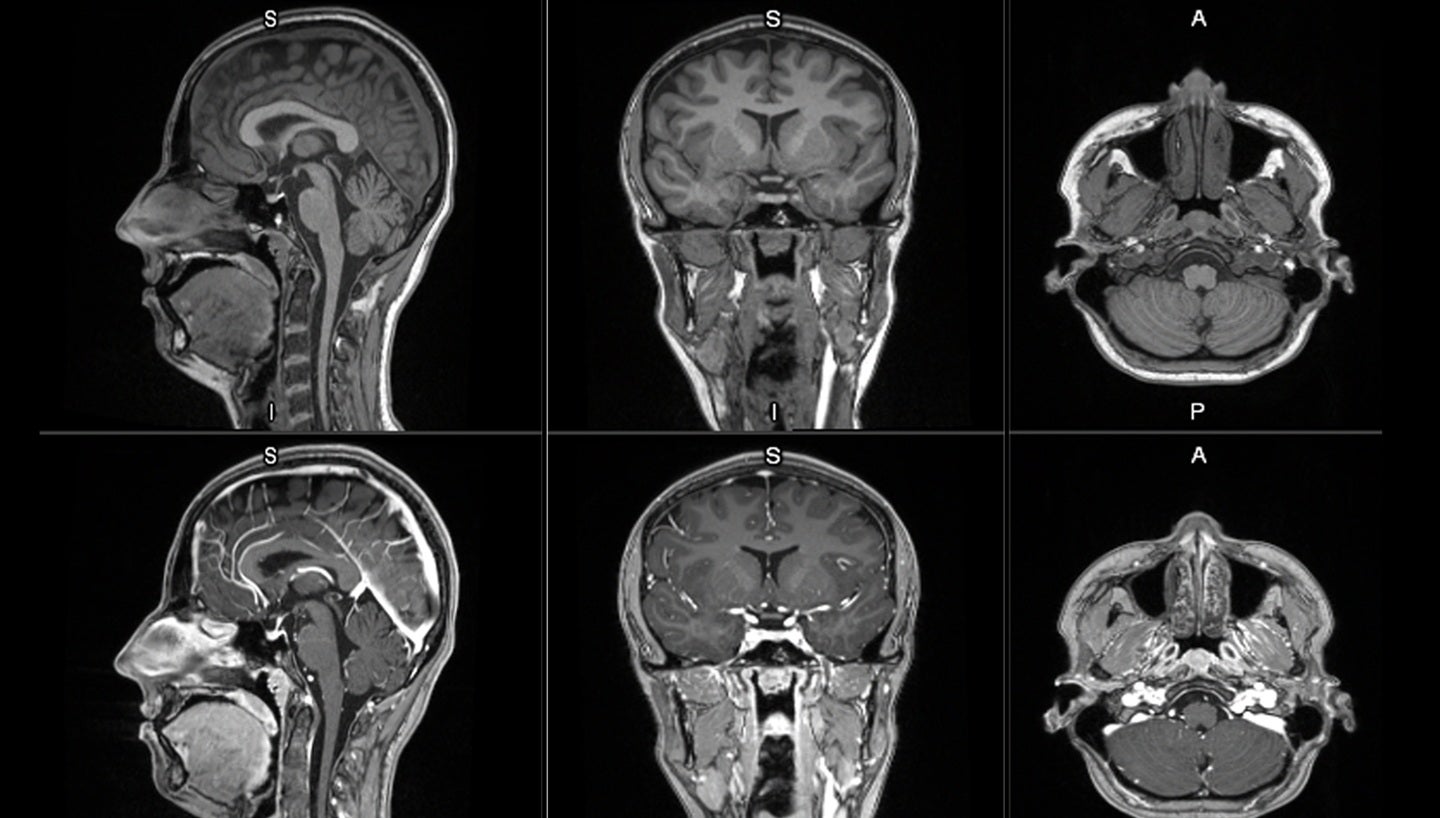
On April 23, 2026, GE HealthCare announced that the first patient had been dosed in its international, multi-center Phase 2/3 LUMINA clinical trial for mangaciclanol, an investigational manganese-based magnetic resonance imaging (MRI) contrast agent. The dosing took place at Mayo Clinic in Rochester, Minnesota, marking a significant step in the development of a potential alternative to gadolinium-based contrast agents currently used in nearly one-third of MRI procedures worldwide.
The LUMINA trial is evaluating the efficacy and safety of mangaciclanol for contrast-enhanced MRI of the central nervous system and body in adult and pediatric patients aged two years and older. Mangaciclanol is designed to improve the visualization of lesions with abnormal vascularity, offering comparable relaxivity to gadobutrol—a widely used gadolinium-based agent—while leveraging manganese, an essential element naturally regulated in the human body. Its macrocyclic structure aims to limit retention, addressing long-standing concerns about gadolinium deposition in tissues such as the brain and bones.
GE HealthCare received Fast Track designation from the U.S. Food and Drug Administration (FDA) for mangaciclanol, which is intended to expedite the development and review of drugs that address serious conditions with unmet medical needs. The FDA’s Fast Track process allows for more frequent communication with the agency and potential eligibility for accelerated approval and priority review, based on clinical trial outcomes.
According to clinical trial registry information, the LUMINA study (NCT07472491) is actively recruiting participants and is sponsored by GE Healthcare. The trial’s objectives include assessing image quality, diagnostic accuracy, and safety profile compared to existing gadolinium-based agents. Early clinical data suggest mangaciclanol may provide similar diagnostic performance with a potentially improved safety profile due to the endogenous regulation of manganese and its reduced risk of accumulation.
Gadolinium-based contrast agents are used in approximately 65 million MRI procedures annually worldwide, but their use has raised concerns about long-term retention, particularly in patients with impaired renal function. While gadolinium is generally considered safe for most patients, the emergence of conditions like gadolinium deposition disease has driven interest in alternative agents. Manganese-based agents like mangaciclanol represent a novel approach, as manganese is a naturally occurring trace element involved in metabolic processes and is tightly regulated by the body’s homeostatic mechanisms.
The trial’s initiation at Mayo Clinic underscores the institution’s role as a leading center for clinical research and innovation in medical imaging. Mayo Clinic has been involved in numerous early-phase trials for novel imaging agents and continues to collaborate with industry partners to advance diagnostic technologies. GE HealthCare’s announcement highlights the global nature of the LUMINA trial, which will include sites across multiple countries to ensure diverse patient representation and robust data collection.
Industry analysts note that successful development of mangaciclanol could reduce reliance on gadolinium, which is primarily sourced from mining operations concentrated in a few geographic regions, thereby addressing potential supply chain vulnerabilities. A manganese-based alternative may appeal to healthcare systems seeking to minimize long-term biocompatibility risks associated with repeated contrast agent exposure.
As the LUMINA trial progresses, researchers will monitor key endpoints including lesion conspicuity, diagnostic confidence, and adverse event rates. The Phase 2/3 design allows for seamless transition between dose-finding and pivotal efficacy evaluation, potentially accelerating the timeline for regulatory submission if results meet predefined criteria. GE HealthCare has not disclosed the total expected enrollment or timeline for completion, but the company stated that the trial is progressing according to plan.
For patients and healthcare providers, the development of mangaciclanol offers hope for a safer, equally effective option in diagnostic imaging. If approved, it could expand access to contrast-enhanced MRI for populations who may be hesitant to undergo gadolinium-based studies due to safety concerns, including pediatric patients and those requiring frequent follow-up scans.
GE HealthCare continues to advance its innovation pipeline in diagnostic imaging, with mangaciclanol representing one of several novel agents under investigation. The company emphasizes its commitment to improving diagnostic precision while addressing safety and accessibility challenges in medical imaging.
Updates on the LUMINA trial will be available through ClinicalTrials.gov (NCT07472491) and official communications from GE HealthCare. Interested parties can consult the study record for eligibility criteria, site locations, and contact information.
Stay informed about developments in medical imaging innovation by following trusted sources and consulting healthcare professionals for personalized medical advice.
We welcome your thoughts on this advancement in diagnostic imaging technology. Share your perspective in the comments below and help spread awareness by sharing this article with others who may benefit from this update.