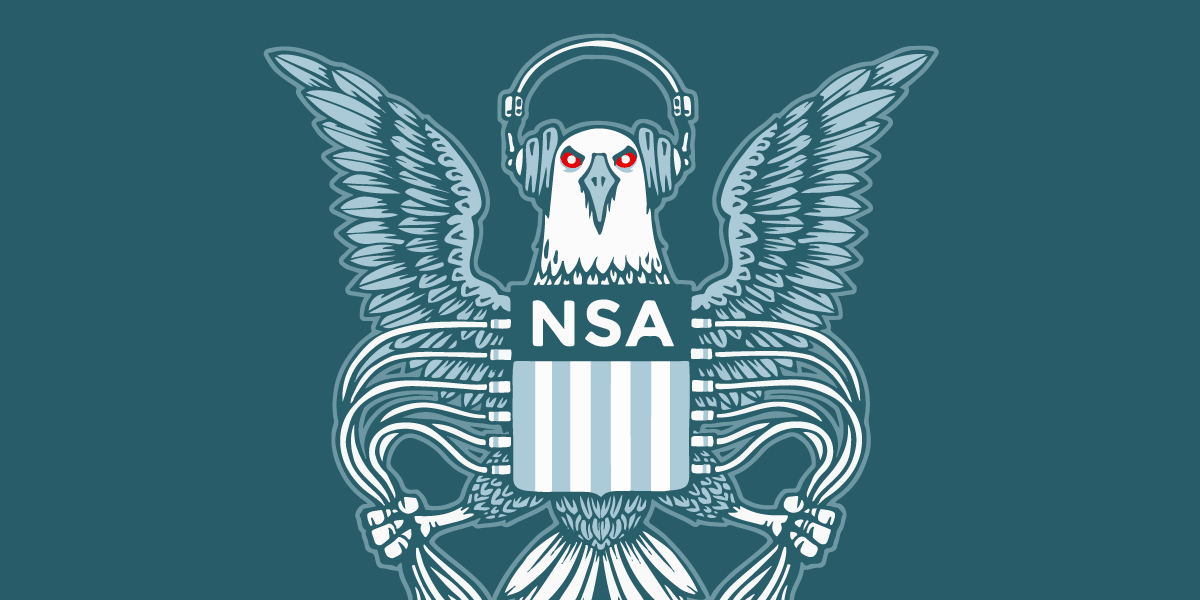
Congress has secured a 10-day extension to debate reforms to Section 702 of the Foreign Intelligence Surveillance Act after a bipartisan group of lawmakers blocked a proposed reauthorization that would have extended the surveillance authority without meaningful changes. The temporary reprieve, which pushes the deadline to April 20, 2026, allows advocates and legislators to push for stronger privacy safeguards, including a requirement that the FBI obtain a warrant before querying communications of Americans collected under the program.
The development follows a late-night session in the House of Representatives where lawmakers rejected an amendment that civil liberties groups said offered only superficial adjustments to the law. Section 702 permits the National Security Agency to collect communications of non-U.S. Persons located overseas, but in practice, it likewise sweeps in vast amounts of data involving Americans, including emails, text messages and phone calls. Critics argue the program enables warrantless surveillance of U.S. Persons through backdoor queries, raising significant Fourth Amendment concerns.
Senator Ron Wyden of Oregon has been a leading voice in calling for reform, warning that classified interpretations of Section 702 allow the government to surveil Americans in ways not apparent from the statute’s text. In a public “Dear Colleague” letter circulated in March 2026, Wyden urged fellow senators to reject any reauthorization that fails to require a warrant for FBI access to Section 702 data involving U.S. Persons, citing risks to journalists, humanitarian workers, and individuals seeking reproductive healthcare abroad.
The Electronic Frontier Foundation and other civil liberties organizations have long contended that Section 702 lacks sufficient oversight and transparency, noting that individuals whose communications are collected under the program are rarely notified and have limited legal recourse if the data is used against them in court. Efforts to declassify Foreign Intelligence Surveillance Court rulings related to the program have been ongoing, with some documents released in recent years revealing compliance issues and broad interpretations of surveillance authority.
What Is Section 702 and Why Is It Controversial?
Section 702 of FISA, enacted in 2008 and most recently reauthorized in 2018, authorizes the U.S. Intelligence community to target non-U.S. Persons reasonably believed to be outside the United States for the purpose of acquiring foreign intelligence information. Under the law, agencies like the NSA and FBI can compel electronic communication service providers to disclose certain types of data, including the content of emails and chat messages.
While the statute explicitly prohibits intentional targeting of U.S. Persons or anyone known to be located in the United States, the collection process is inherently broad. Because global internet traffic is routed through U.S.-based infrastructure, communications involving Americans—such as an American journalist interviewing a source overseas or a U.S. Resident video-calling family abroad—can be incidentally collected. This incidental collection is permitted under Section 702, but the data is then stored in government databases accessible to multiple agencies.
The FBI, in particular, has routinely queried these databases for information related to domestic investigations, including cases unrelated to national security. According to the Office of the Director of National Intelligence, the FBI conducted over 3.4 million queries of Section 702-derived data in 2021 alone, a figure that has drawn criticism from oversight bodies and privacy advocates who argue such access should require judicial oversight.
In 2023, the Privacy and Civil Liberties Oversight Board concluded that while Section 702 provides valuable intelligence, the FBI’s querying practices pose significant risks to privacy and civil liberties, particularly because agents are not required to obtain a warrant before searching for information about U.S. Persons. The board recommended reforms including stronger minimization procedures and heightened oversight, though it stopped short of endorsing a warrant requirement for all queries.
Bipartisan Push for Warrant Requirement Gains Momentum
The current debate centers on whether the FBI should be required to obtain a probable cause warrant from a federal court before accessing the content of communications involving U.S. Persons in Section 702 databases. Supporters of the warrant requirement argue it would align the program with constitutional protections against unreasonable searches and seizures, while maintaining the government’s ability to collect foreign intelligence.
A group of lawmakers from both parties, including Representatives Zoe Lofgren (D-CA), Warren Davidson (R-OH), and Senators Ron Wyden (D-OR) and Mike Lee (R-UT), have advocated for reform measures that would impose this safeguard. Their efforts culminated in the recent House vote that blocked a clean reauthorization, forcing leadership to pursue a short-term extension to allow further negotiation.
During the floor debate, Lofgren emphasized that Americans should not lose their Fourth Amendment protections simply because their communications were collected incidentally during foreign intelligence operations. “Collecting data overseas does not erase the constitutional rights of the people on the other complete of the line,” she said, according to the Congressional Record. Davidson echoed this sentiment, stating that national security and civil liberties are not mutually exclusive and that oversight mechanisms can be strengthened without compromising intelligence gathering.
The White House has not publicly taken a position on the warrant requirement, though administration officials have previously acknowledged the necessitate for Section 702 reform. In testimony before Congress in 2024, officials from the Department of Justice and the Office of the Director of National Intelligence said they were open to discussing improvements to oversight and transparency, while maintaining that the program remains critical to counterterrorism and cybersecurity efforts.
What Happens Next? Key Deadlines and Ongoing Efforts
With the April 20, 2026 deadline now in place, Congress has a narrow window to reach agreement on a reform package. If no legislation is passed by that date, Section 702 will expire, potentially disrupting intelligence operations unless a further extension is enacted. Leadership in both chambers has indicated a preference for avoiding a lapse in authority, but reform advocates insist that any extension must be tied to meaningful changes.
House and Senate intelligence committees are expected to hold closed-door briefings in the coming days to discuss potential compromise language. Any final bill would need to pass both chambers and be signed by the President to turn into law. Given the polarized nature of surveillance debates, achieving consensus will require balancing law enforcement and intelligence community interests with constitutional protections.
For members of the public seeking to follow developments, the Congress.gov website provides real-time tracking of legislative actions related to FISA Section 702. The Office of the Director of National Intelligence also publishes annual transparency reports detailing the number of targets and queries associated with the program, offering some insight into its scale and usage.
As the debate continues, civil liberties groups are urging Americans to contact their representatives to express support for warrant protections. The Electronic Frontier Foundation, American Civil Liberties Union, and Center for Democracy & Technology have all issued action alerts providing templates for contacting Congress and information on upcoming hearings.
The coming weeks will determine whether Section 702 is reauthorized with enhanced safeguards or extended unchanged—setting a precedent for how the United States balances national security imperatives with privacy rights in an era of pervasive digital surveillance.
Stay informed, share this article, and join the conversation by leaving a comment below.