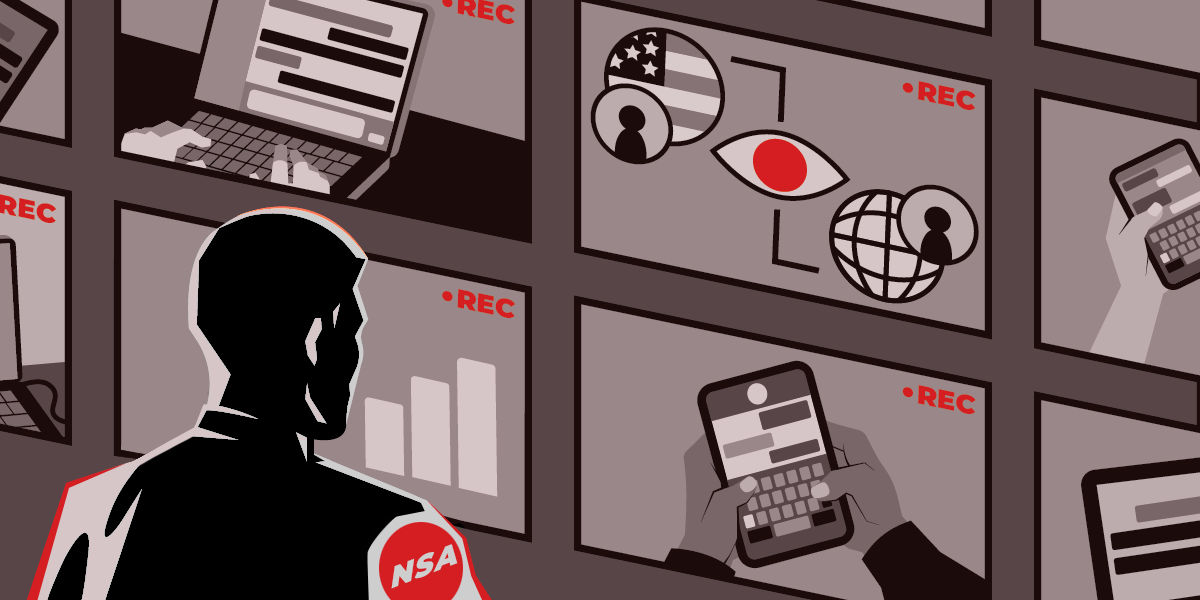
The intersection of national security and digital privacy has reached a critical juncture as the United States government faces a looming deadline for the reauthorization of Section 702 of the Foreign Intelligence Surveillance Act. For those of us in the technology sector, this isn’t just a legal debate; it is a fundamental question of how much of our private digital lives we are willing to trade for the promise of security.
At its core, Section 702 is a powerful surveillance tool designed to target non-U.S. Persons located outside the United States. However, the reality of how this data is collected often sweeps up the communications of millions of Americans. As the program faces a renewal deadline, a fierce battle has emerged between intelligence officials and privacy advocates over whether the law should be extended “cleanly” or subjected to substantial reforms.
The stakes are high. With global tensions rising and the intelligence community warning of immediate threats, the pressure to maintain current surveillance capabilities is immense. Yet, the lack of transparency and the potential for warrantless queries into the private data of U.S. Citizens make a simple extension a dangerous proposition for civil liberties.
The Mechanics of Mass Surveillance
To understand the controversy, one must first understand how Section 702 of the Foreign Intelligence Surveillance Act (FISA) operates. The National Security Agency (NSA) is authorized to collect communications—such as emails, texts and phone calls—from foreign targets overseas. This collection often happens through partnerships with major internet service providers and telecommunications companies.
While the primary targets are foreign, the “incidental collection” of Americans’ data is a recurring issue. When a foreign target communicates with a person inside the U.S., that American’s data is collected and stored in government databases. This creates a massive repository of private communications that, while collected legally under the foreign-intelligence mandate, becomes accessible for other purposes.
The primary point of contention is the “clean extension.” A clean reauthorization would mean renewing the law exactly as it is, without adding new safeguards or restrictions. For privacy advocates, this is unacceptable because it ignores years of compliance issues and the inherent loopholes that allow the government to bypass traditional Fourth Amendment protections.
The “Finders Keepers” Loophole: Why a Clean Extension is Contentious
One of the most troubling aspects of the current framework is what some describe as a “finders keepers” mode of surveillance. Once the NSA has collected data on a foreign target, the Federal Bureau of Investigation (FBI) can query that existing database to search for information on U.S. Persons. In many cases, the FBI can read the U.S. Side of these communications without obtaining a warrant.
This practice effectively allows the government to conduct warrantless surveillance on its own citizens by utilizing data that was originally gathered for foreign intelligence. The concern is that this creates a backdoor for domestic spying, where the “foreign intelligence” justification serves as a shield for avoiding the judicial oversight typically required to search a citizen’s private records.
the lack of notification is a significant hurdle for accountability. Individuals who have been spied on through this program rarely, if ever, find out. This secrecy makes it nearly impossible for targets to challenge the legality of the surveillance in court, leaving the intelligence community as the sole arbiter of its own compliance.
National Security vs. Individual Privacy
The push for a clean extension is not without motive. U.S. Intelligence officials have expressed urgency regarding the program’s continuity, particularly as geopolitical instability increases. For instance, officials have scrambled to ensure the law remains active amid heightened Iran war tensions, arguing that any gap in surveillance capabilities could leave the country vulnerable to terrorist attacks or foreign espionage.

However, this “security vs. Privacy” binary is often viewed by critics as a false choice. The argument is that national security can be maintained while still requiring warrants for queries involving U.S. Persons. By introducing a warrant requirement for “backdoor searches,” Congress could protect the privacy of millions of citizens without disabling the government’s ability to track genuine foreign threats.
Despite these arguments, the program continues to face significant obstacles as the renewal deadline looms. Lawmakers are divided, with some pushing for strict reforms and others prioritizing the demands of the intelligence community.
The Path Forward: What Happens Next
As the debate intensifies, the focus remains on whether Congress will have the political will to implement substantial reforms. Key demands from civil liberties advocates include:
- A Warrant Requirement: Mandating that the FBI and other agencies obtain a judicial warrant before querying Section 702 data for information on U.S. Persons.
- Increased Transparency: Requiring the government to provide more detailed public reporting on the number of U.S. Persons affected by incidental collection.
- Notice to Targets: Implementing a system where individuals can be notified if their data was used as evidence in a criminal proceeding.
Without these changes, a clean extension of the law would essentially codify a system of warrantless surveillance, further eroding the boundary between foreign intelligence and domestic policing. For a global audience, this serves as a reminder of how easily “temporary” national security measures can become permanent fixtures of government power.
The next critical checkpoint will be the legislative action taken by Congress before the current authorization expires. Whether the result is a reformed law, a clean extension, or a lapse in authority will determine the future of digital privacy in the United States and its impact on global communication standards.
Do you believe national security outweighs the require for warrants in digital surveillance? Share your thoughts in the comments below or share this article to join the conversation.