
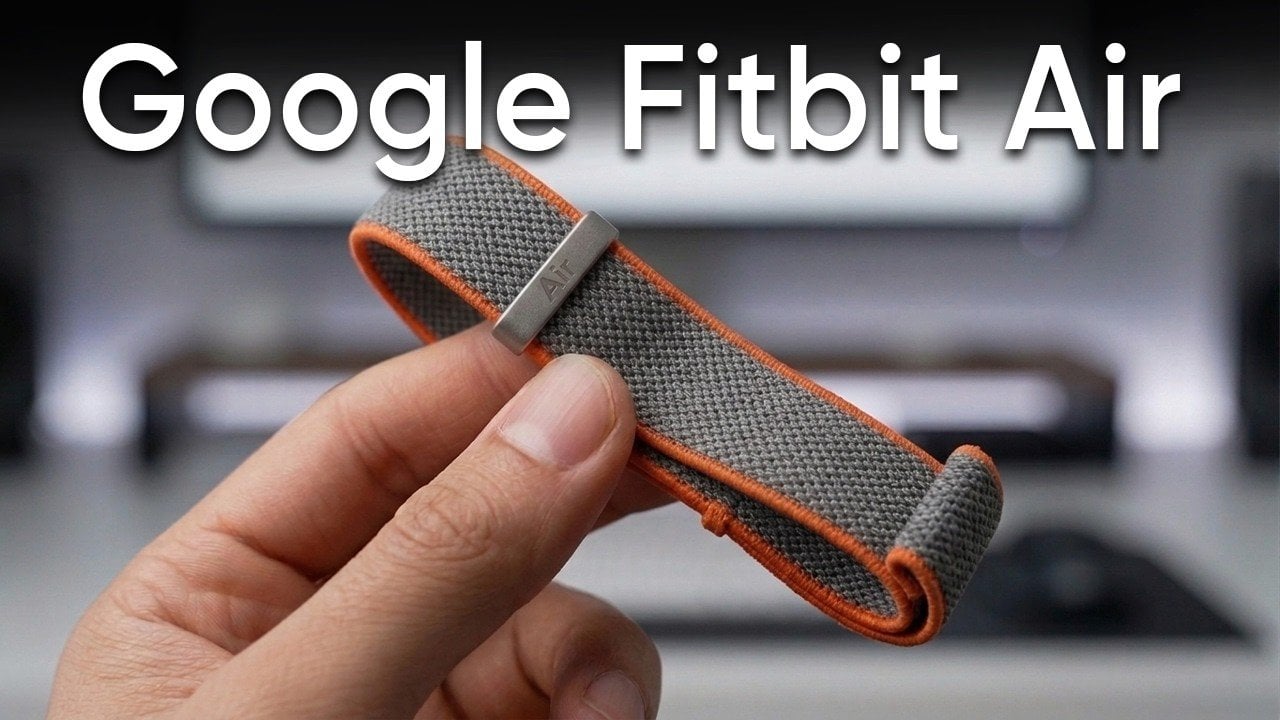
The Fitbit Air has recently emerged as a new entry in the wearable technology market, marketed alongside the Google Pixel Watch 4 and other updated health-tracking devices. As consumers evaluate the latest fitness hardware, the focus has shifted toward how these devices integrate with the evolving Google Health ecosystem, which now serves as the primary interface for Fitbit users seeking personalized wellness insights.
According to official product documentation from Google, the Fitbit Air is positioned as a lightweight option for users prioritizing health monitoring and activity tracking. The device is part of a broader refresh of Google’s wearable portfolio, which includes the Pixel Watch 3 and Pixel Watch 4, as well as specialized trackers like the Charge 6 and Inspire 3. Detailed specifications and comparisons for these devices are available through the official Google Store wearables portal.
Integrating Gemini for Personalized Health Coaching
A primary feature of the current Fitbit lineup is the integration of Gemini, Google’s AI model, into the Google Health Premium service. This shift represents a transition from traditional data logging to a more conversational approach to fitness and recovery. Users can interact with the Google Health Coach to manage preferences, establish long-term fitness plans, and set daily sleep goals that adjust based on their individual progress.
The coaching system is designed to be proactive, providing suggestions based on a holistic view of user health. This includes identifying trends in activity and recovery, which the system claims can help users manage workouts around injuries or adapt to changes in their environment, such as travel across time zones. This service is accessible via the Google Health app, which has replaced the standalone Fitbit application for users of the updated hardware ecosystem.
Hardware Ecosystem and Market Positioning
The Fitbit Air joins a diverse range of devices, including the Sense 2, Versa 4, and the Ace LTE. Each device is designed to cater to different segments of the market, ranging from casual activity tracking to more advanced health monitoring. The partnership between Google and figures such as Stephen Curry highlights the brand’s attempt to emphasize peak performance across various athletic arenas.

For consumers looking to manage stress, monitor heart rate, and track sleep patterns, the current generation of Fitbit hardware provides a consistent data-gathering platform. While the hardware varies in form factor—from the screen-focused Pixel Watch series to the more compact tracker designs—all units now funnel data into the centralized Google Health infrastructure. Interested buyers can view the full range of available trackers and smartwatches on the official Fitbit website.
Understanding the Shift to Google Health
The transition of the Fitbit app to the Google Health app marks a significant shift in how users access their vital data. By centralizing coaching and tracking under the Google Health Premium umbrella, the company aims to offer a unified experience that leverages AI to interpret raw sensor data. This change impacts how long-term goals are set and how recovery metrics are interpreted, moving away from static charts toward dynamic, AI-generated guidance.
The effectiveness of this model relies on the user’s willingness to engage in a continuous dialogue with the health coach. By providing input on daily routines and personal preferences, users enable the system to refine its recommendations. This approach is intended to make health tracking less about manual entry and more about integrated lifestyle management, supported by the data-processing capabilities of the underlying Google Health platform.
Next Steps for Users
As of June 2026, users of the Fitbit and Pixel Watch series are encouraged to check the Google Health app for the latest software updates and feature rollouts related to Gemini-powered coaching. Future updates regarding device compatibility and regional availability of specific health features will be posted to the official Google support and store pages. Readers are invited to share their experiences with the new interface and coaching features in the comments section below.
Worth a look