
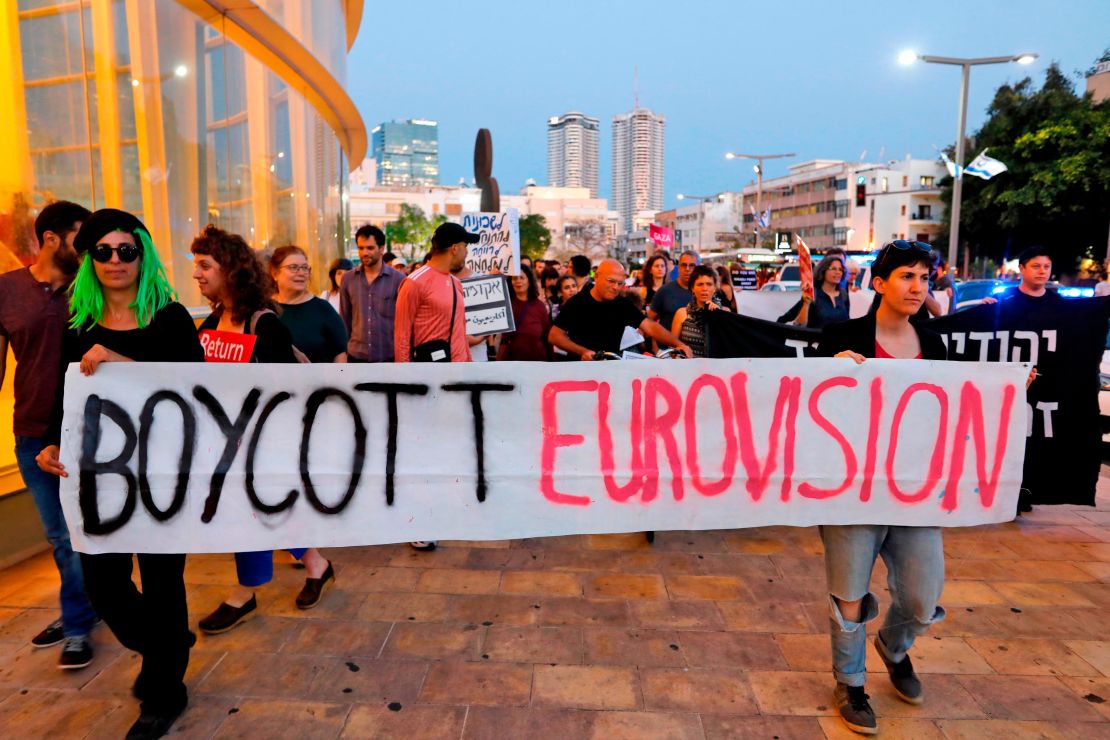
The Eurovision Song Contest, a global institution long celebrated as a bastion of cultural unity and musical celebration, is currently navigating one of the most turbulent periods in its long history. As the 2026 competition approaches, the event has been plunged into what many are calling an “existential crisis,” driven by a growing wave of political boycotts that have significantly thinned the field of competing nations.
At the heart of the controversy is the decision of five countries to abstain from this year’s contest, citing Israel’s participation as the primary reason for their withdrawal. The boycott, rooted in the ongoing humanitarian crisis in Gaza and the geopolitical tensions in the Middle East, marks the lowest number of participating countries in more than two decades, leaving the contest’s future and its reputation as a neutral platform in question.
While the Eurovision Song Contest has historically navigated various political tensions, the scale of the current withdrawal—led by prominent national broadcasters—suggests a fundamental shift in how member nations view the intersection of entertainment and international politics. For the organizers, the challenge is no longer just about musical excellence, but about managing the profound political divisions that are reshaping the European broadcasting landscape.
A Growing Divide: The Nations Leading the Boycott
Among the five countries choosing to step away from the 2026 stage, three have already confirmed their decisions through their national broadcasters. Ireland’s public broadcaster, RTÉ, and Spain’s RTVE have both officially confirmed that they will not be airing the contest this year. These decisions reflect a significant loss of viewership and influence for the contest in major European markets.
Slovenia has also joined the boycott, but its approach to the vacancy left by Eurovision is notably different. Rather than leaving a void in its programming, the Slovenian broadcaster has curated a specialized week of content designed to address the very issues driving the boycott. Under the theme “Voices of Palestine,” the broadcaster will air a series of films, documentaries, and other programming intended to provide context regarding current events in the Middle East and highlight the stories of those affected by the conflict.
Natalija Gorščak, the president of the Slovenian broadcaster’s management board, has been vocal about the distinction between the contest’s musical mission and the political motivations behind the boycott. Gorščak emphasized that the decision is not directed at any specific religious group, but is instead a targeted political statement.
“We have a whole week [of TV, radio and digital content] and we are showing the Israeli activists who fight for the rights of the Palestinians,” Gorščak stated. She further clarified that the decision is “not any message against Jewish people,” but rather a “message against [Israeli Prime Minister Benjamin] Netanyahu’s state, and the politics of what Netanyahu is doing.”
The Humanitarian and Political Context
The motivations behind the boycotting nations are deeply tied to the humanitarian situation in Gaza and the historical timeline of the conflict. The current political climate is a direct result of the escalations that began following the October 7, 2023, attack by the Palestinian militant group Hamas. That attack resulted in the deaths of approximately 1,200 people in Israel, a majority of whom were civilians, and the taking of 251 hostages.
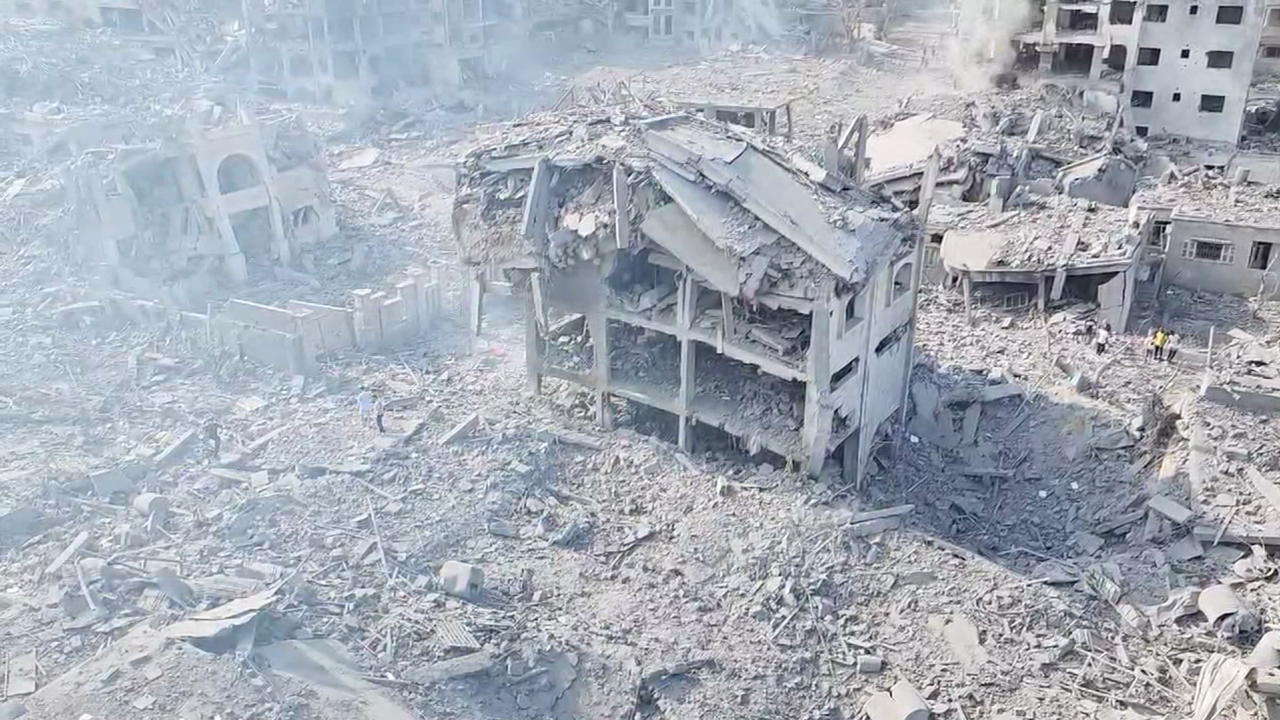
The subsequent Israeli military offensive in Gaza has led to a catastrophic humanitarian crisis. Reports indicate that the conflict has killed tens of thousands of Palestinians, many of them civilians, and has displaced 90 percent of Gaza’s population. The scale of destruction across wide areas of the territory has fueled the international outcry that is now manifesting in the Eurovision boycott.
While a ceasefire was brokered by President Donald Trump in October 2025—a move that led to the release of the remaining 20 Israeli hostages—the underlying political tensions and the humanitarian fallout continue to influence the decisions of national broadcasters across Europe. For the countries participating in the boycott, the contest’s decision to allow Israel to compete is seen as incompatible with the current geopolitical reality.
The Impact on Eurovision’s Future
The implications for the Eurovision Song Contest are profound. With the number of participating nations at its lowest point in over twenty years, the contest faces questions regarding its reach, its funding, and its ability to serve as a unifying cultural event. The loss of major broadcasters like RTÉ and RTVE not only reduces the immediate audience but also impacts the commercial and cultural weight of the competition.
As the event moves forward, the tension between maintaining a “non-political” stance and acknowledging the intense political realities of its member states will likely remain the central conflict for the European Broadcasting Union (EBU).
Key Takeaways: The 2026 Boycott
| Country | Confirmed Broadcaster | Action Taken | Alternative Programming |
|---|---|---|---|
| Slovenia | Slovenian National Broadcaster | Boycott | “Voices of Palestine” (Films/Documentaries) |
| Ireland | RTÉ | Boycott | Not specified |
| Spain | RTVE | Boycott | Not specified |
| Unnamed Nations | Various | Boycott | Not specified |
Timeline of Recent Conflict Developments
- October 7, 2023: Hamas attack on Israel. approximately 1,200 killed and 251 hostages taken.
- Post-October 2023: Israeli military offensive in Gaza; 90% of the population displaced.
- October 2025: Ceasefire brokered by President Donald Trump; release of the remaining 20 Israeli hostages.
- May 2026: Eurovision Song Contest faces boycott from five nations.
As the contest draws closer, all eyes will be on the official statements from the EBU and the remaining participating nations to see if further withdrawals are expected or if the contest can find a way to navigate this period of unprecedented division. We will continue to monitor official updates regarding the contest’s lineup and broadcasting schedules.
What do you think about the impact of politics on major cultural events like Eurovision? Share your thoughts in the comments below and share this article with your network.