
Swedish healthcare funding has come under scrutiny following reports that approximately 5 million SEK has been allocated to support unproven or “alternative” health practices. Critics and medical professionals argue that such expenditures prioritize non-scientific methods over evidence-based treatments, potentially misdirecting critical resources away from validated medical care.
The controversy, highlighted by recent Swedish media reports, centers on the tension between public health policy and the growing market for “integrative” or “complementary” medicine. While proponents suggest these methods offer holistic benefits, opponents maintain that using taxpayer money for treatments lacking rigorous clinical validation constitutes a misuse of public funds.
The debate follows a broader trend in European healthcare systems regarding how much weight—and funding—should be given to practices that do not meet the gold standard of randomized controlled trials. For observers in the medical and scientific communities, the allocation of 5 million SEK represents a significant opportunity cost in a system already facing budgetary pressures.
What is the controversy surrounding the 5 million SEK?
The core of the dispute involves the distribution of approximately 5 million SEK toward programs or organizations that promote health methods not recognized as scientifically proven. According to reports in Swedish media, including an editorial in Östersunds-Posten, these funds are being directed toward what critics term “quackery”—a term used to describe medical practices that lack empirical support.
The controversy is not merely about the amount of money, but the precedent it sets for public health governance. When government or regional bodies allocate funds to non-validated treatments, it can create a perception of official endorsement. This endorsement can influence patient behavior, leading individuals to seek unproven therapies in place of established medical interventions.
Medical professionals have expressed concern that this trend undermines the principles of evidence-based medicine (EBM). EBM is the cornerstone of modern healthcare, requiring that clinical decisions be based on the best available, most current, and most rigorous scientific evidence. By funding practices that bypass this scrutiny, critics argue that the state is effectively subsidizing misinformation.
Science-based medicine versus alternative treatments
To understand why this funding has sparked such intense debate, it is necessary to distinguish between the two primary approaches to healthcare currently clashing in the Swedish system: evidence-based medicine and alternative (or complementary) medicine.
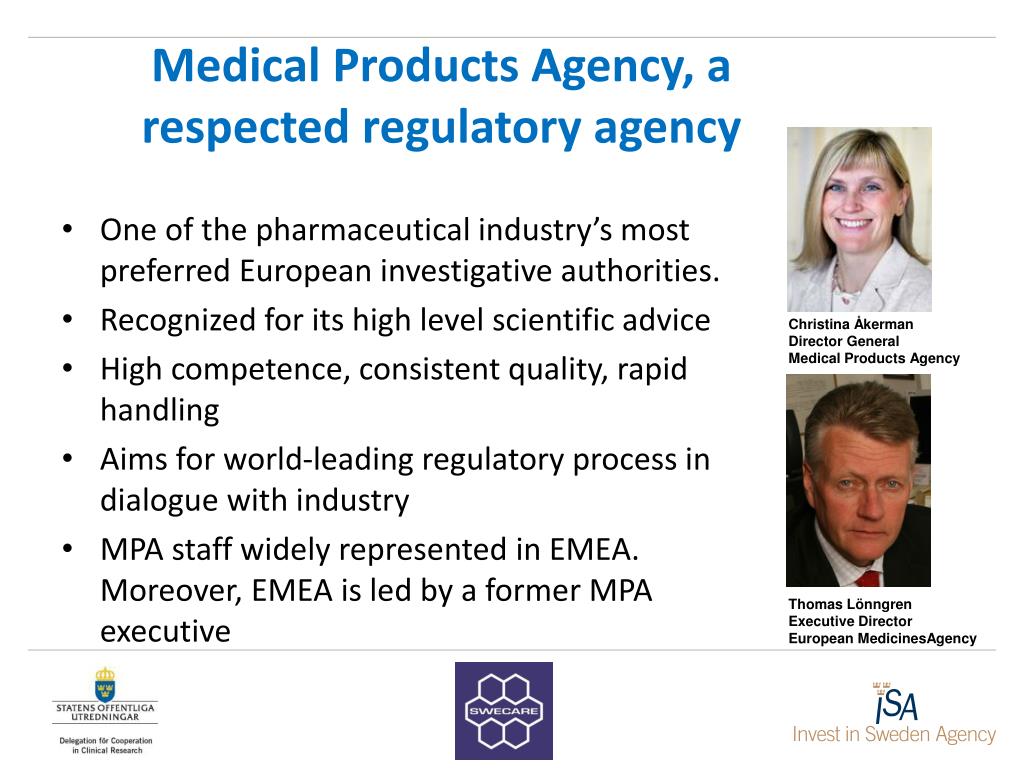
Evidence-based medicine relies on a hierarchy of evidence, with systematic reviews and meta-analyses of randomized controlled trials (RCTs) sitting at the top. This approach requires that a treatment’s efficacy and safety be proven through repeatable, transparent, and statistically significant scientific processes. This is the standard used by the Swedish Medical Products Agency (Läkemedelsverket) to regulate medicines and medical devices.
In contrast, alternative medicine often relies on anecdotal evidence, tradition, or holistic theories that have not been subjected to the same level of clinical rigor. While some “complementary” therapies—such as certain forms of physical therapy—are integrated into mainstream care because they have demonstrated efficacy, others fall into the category of “unproven” when they claim to treat complex diseases without biological or clinical proof.
The following table outlines the fundamental differences between these two frameworks:
| Feature | Evidence-Based Medicine (EBM) | Alternative/Complementary Medicine |
|---|---|---|
| Primary Validation | Randomized Controlled Trials (RCTs) | Anecdotal reports and tradition |
| Regulatory Oversight | Strict (e.g., Läkemedelsverket, EMA) | Often minimal or self-regulated |
| Core Objective | Clinical efficacy and safety data | Holistic wellness or symptom management |
| Decision Basis | Statistical significance and peer review | Individual experience and belief systems |
The regulatory landscape for health claims in Europe
The allocation of funds to unproven methods also intersects with complex European regulations regarding health claims. In the European Union, the European Food Safety Authority (EFSA) maintains strict guidelines on what can be claimed regarding the health benefits of food supplements and other non-medicinal products.

Under these regulations, any claim that a product or practice can prevent, treat, or cure a human disease must be backed by significant scientific evidence. When public funds are used to support organizations that make such claims without meeting the EFSA or national regulatory standards, it creates a legal and ethical gray area. Critics argue that public funding should only support entities that comply with these rigorous standards of truth-in-advertising and clinical proof.
Furthermore, the Swedish Medical Products Agency is tasked with ensuring that only safe and effective medicines reach the public. The diversion of 5 million SEK toward unproven methods is seen by some as a bypass of this regulatory intent, potentially providing a platform for “wellness” claims that skirt the edge of medical legality.
The economic and social impact on public healthcare
Beyond the scientific debate, there is a significant economic dimension to this controversy. Public healthcare systems, including Sweden’s, operate under strict budgetary constraints. Every krona spent on unproven therapies is a krona that cannot be spent on mental health services, oncology research, or primary care infrastructure.
Economists often point to the “opportunity cost” of such spending. In a healthcare environment characterized by rising costs and aging populations, the efficiency of resource allocation is paramount. If 5 million SEK is used to support practices that do not yield measurable improvements in patient outcomes, the return on investment for the taxpayer is effectively zero, or potentially negative if patients delay effective treatment.
The social impact is equally concerning. When public institutions fund alternative methods, it can erode public trust in scientific institutions. If a patient chooses an unproven method based on perceived official support and subsequently suffers a decline in health, the resulting loss of confidence in the broader medical establishment can have long-term consequences for public health compliance and trust in government-led health initiatives.
What happens next?
The fallout from this funding decision is expected to influence upcoming discussions regarding Swedish healthcare budget allocations and the oversight of “integrative” medicine. While no specific legislative change has been announced in direct response to this 5 million SEK allocation, medical advocacy groups are likely to use this case to push for stricter criteria regarding how “wellness” grants are awarded.
Stakeholders will be watching for any official statements from regional health authorities or the Swedish government regarding the transparency of these funding processes. Future audits of healthcare spending and potential reviews of the criteria used by grant-awarding bodies will be critical in determining whether such allocations will continue.
We will continue to monitor official filings and regulatory updates from the Swedish Medical Products Agency for any shifts in policy regarding the integration of complementary medicine into the public sector. Please share your thoughts in the comments below and share this article to keep the conversation going.
Worth a look