
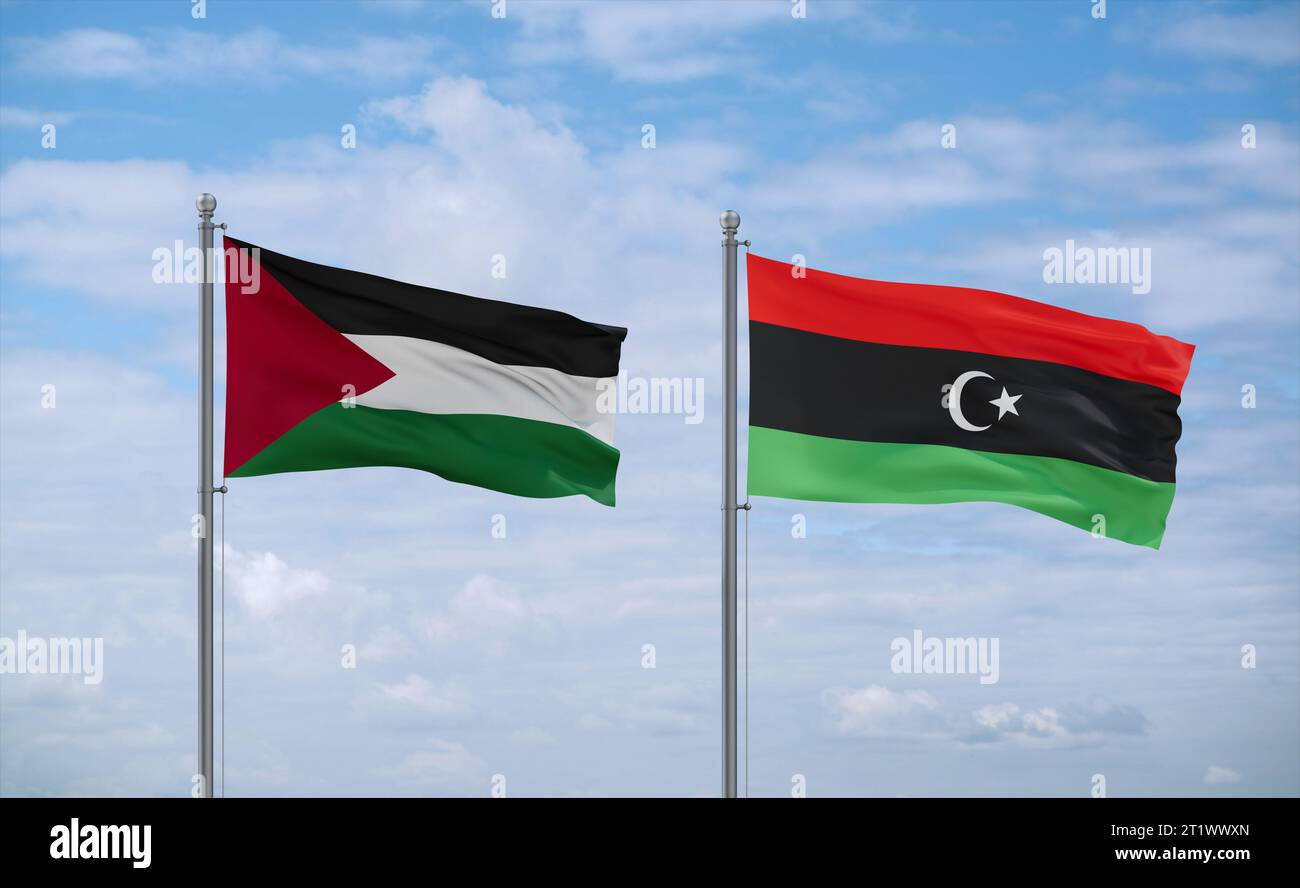
Foreign ministers from Arab League member states are convening in Amman, Jordan, for a ministerial-level Council meeting to address urgent regional security concerns. The session focuses primarily on coordinating a unified diplomatic response to the humanitarian crisis in Palestine and the ongoing political instability in Libya.
The meeting, held at the request of the Arab League leadership, brings together top diplomats to consolidate the bloc’s stance on several high-stakes conflicts. According to reports regarding the session, the agenda is dominated by the need for immediate action in the Gaza Strip and the search for a permanent political resolution in Libya.
Diplomatic observers note that the Amman summit serves as a critical platform for the Arab League to project a collective voice on the international stage. As regional tensions fluctuate, the Council aims to move beyond statements of condemnation toward actionable diplomatic frameworks that involve international stakeholders.
What are the primary focus areas of the Amman meeting?
The central pillar of the ministerial discussions is the Palestinian crisis. Diplomats are reviewing the humanitarian situation in Gaza and discussing strategies to advocate for a ceasefire and the implementation of a two-state solution. Official discussions involve the necessity of providing unhindered humanitarian aid and addressing the displacement of civilians in conflict zones.
The second major priority is the crisis in Libya. The Council is examining the persistent deadlock in Libya’s political transition, which has hindered the country’s ability to hold national elections and establish a unified government. Ministers are discussing ways to support Libyan-led political processes that can stabilize the nation and prevent further external interference in its domestic affairs.
The meeting also addresses broader regional security architecture. This includes discussing maritime security, counter-terrorism cooperation, and the economic integration of member states to build resilience against global market volatility.
How are bilateral relations influencing the summit?
While the Council meetings focus on multilateral consensus, significant diplomatic activity is occurring on the sidelines. These bilateral meetings allow ministers to navigate specific regional tensions that might otherwise complicate the broader Arab League agenda.
Moroccan Foreign Minister Nasser Bourita is participating in the session, contributing to discussions on North African stability and the Mediterranean’s role in regional security. His presence underscores Morocco’s engagement in the collective Arab diplomatic effort to address both the Palestinian and Libyan issues.
Furthermore, high-level discussions are taking place between Egyptian and Algerian officials. According to reports from the session, these bilateral talks are centered on the Palestinian and Libyan crises, seeking to align the positions of two of the region’s most influential powers. Strengthening the coordination between Cairo and Algiers is viewed by analysts as a vital step toward achieving a more cohesive Arab League policy.
Why does this meeting matter for regional stability?
The Amman meeting is significant because it tests the ability of the Arab League to act as a unified political entity during a period of intense fragmentation. The effectiveness of the Council’s decisions often depends on the level of consensus achieved among its most powerful member states, such as Egypt, Algeria, and Saudi Arabia.
The outcome of these discussions can influence how the international community—including the United Nations and the European Union—approaches Middle Eastern and North African conflicts. A unified Arab position provides a clearer mandate for international mediators attempting to negotiate ceasefires or political transitions.
If the Council fails to reach a consensus, it risks further diminishing its influence in regional conflict management. Conversely, a strong, unified communiqué from Amman could serve as a catalyst for renewed diplomatic pressure on parties involved in the Gaza and Libyan conflicts.
Key Takeaways from the Ministerial Session
- Gaza Focus: The primary objective is coordinating a unified diplomatic push for a ceasefire and increased humanitarian access in Palestine.
- Libyan Stability: Ministers are seeking ways to break the political deadlock and support a path toward national elections in Libya.
- Bilateral Coordination: Key meetings between Moroccan, Egyptian, and Algerian officials are being used to align North African and Middle Eastern perspectives.
- Unified Voice: The summit aims to present a consolidated Arab position to the UN and other global governing bodies.
The Council is expected to issue a formal communiqué following the conclusion of the ministerial session. This document will outline the official positions of the member states and any specific actions the League intends to take regarding the Palestinian and Libyan crises. Updates on the final resolutions are expected as the session concludes.

What do you think about the Arab League’s ability to influence these regional conflicts? Share your thoughts in the comments below and share this article with your network.
Related reading