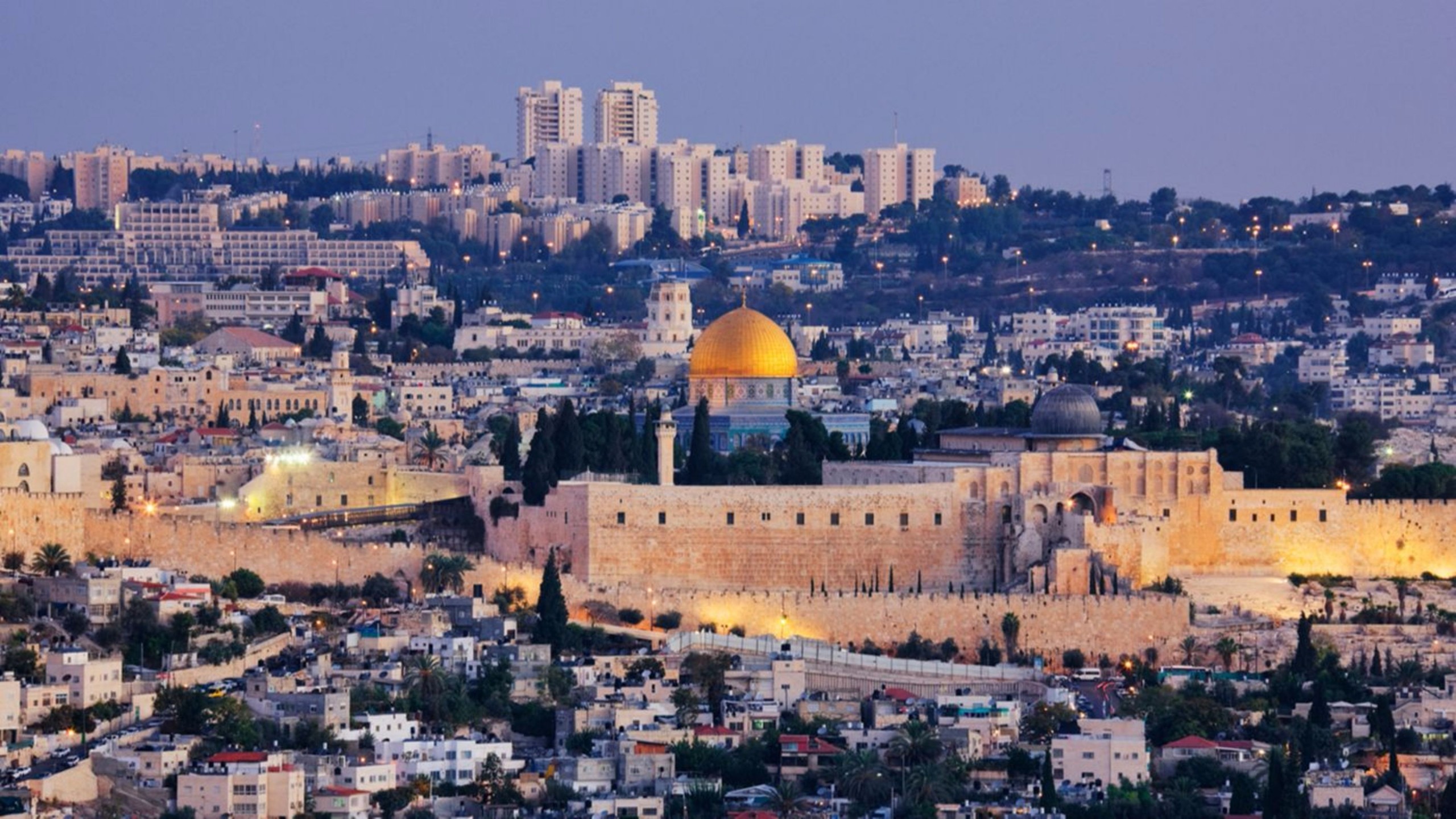
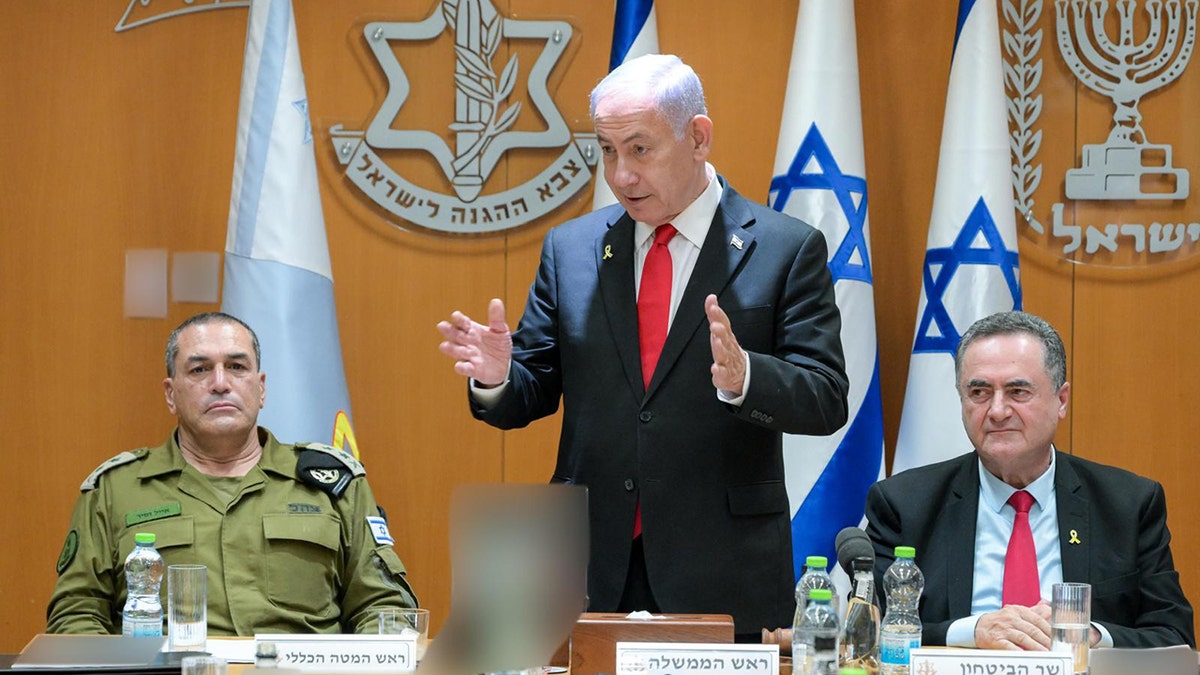
Israeli Prime Minister Benjamin Netanyahu has asserted that the Israel Defense Forces (IDF) will maintain “full freedom of action” within southern Lebanon to ensure national security, even as international mediators discuss potential frameworks for a gradual Israeli military withdrawal. This stance underscores a significant tension between Israel’s stated security requirements and the diplomatic pressure from Washington to implement a ceasefire and stabilize the border region.
The Prime Minister’s position reinforces the Israeli government’s objective to establish a buffer zone that prevents Hezbollah from re-establishing its military infrastructure near the Blue Line. While some diplomatic reports suggest Israel is considering “symbolic withdrawals” to facilitate peace negotiations, the Israeli leadership maintains that any military presence in southern Lebanon must remain flexible enough to respond to immediate threats.
What is the current status of the Israeli military in South Lebanon?
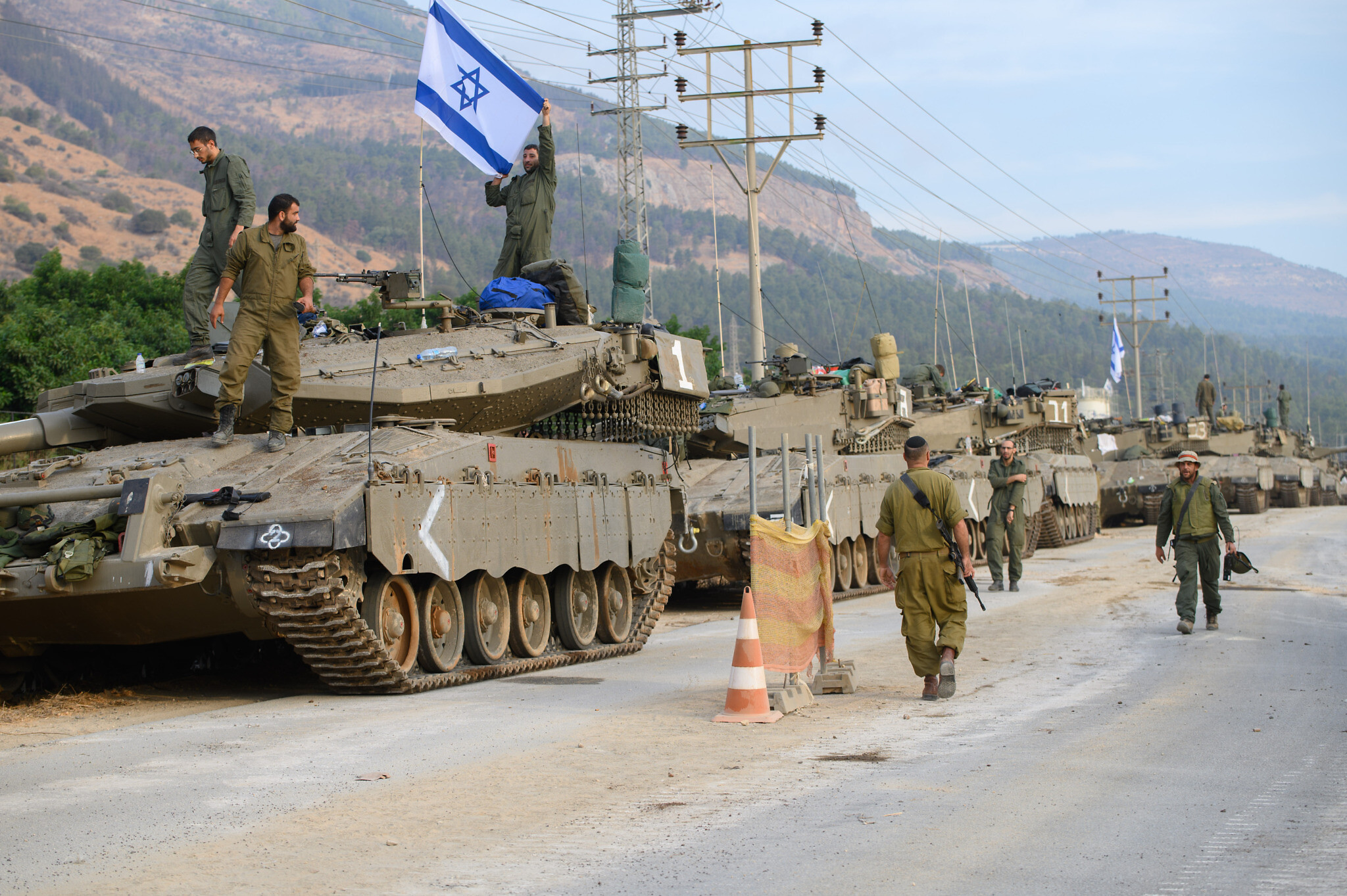
Prime Minister Benjamin Netanyahu has signaled that the IDF will not be restricted by pre-set boundaries if tactical necessity dictates operations within Lebanese territory. According to recent statements from the Israeli Prime Minister’s Office, the military’s primary objective remains the neutralization of Hezbollah’s ability to launch rocket and drone attacks against northern Israel. This includes the ability to conduct targeted operations to dismantle militant assets and communication networks.
The Israeli government has emphasized that its forces will maintain a presence in a designated security zone. This zone is intended to act as a physical barrier between the Lebanese border and Hezbollah’s operational hubs. Israeli officials have argued that without this control, the return of displaced Israeli citizens to towns in the north remains a security impossibility. The military strategy focuses on ensuring that the area between the Blue Line and the Litani River remains free of armed militants, a key requirement for any long-term stability.
The concept of “freedom of action” serves as a strategic hedge against the possibility of a ceasefire being violated. By maintaining this policy, Israel aims to preserve the right to launch retaliatory or preemptive strikes should Hezbollah attempt to re-arm or reposition its forces in the wake of a diplomatic agreement. This stance has been a consistent pillar of Israel’s military doctrine throughout the current conflict.
How are US-led negotiations shaping potential Israeli withdrawals?
Diplomatic efforts led by the United States are currently focused on finding a middle ground between Israel’s security demands and Lebanon’s sovereignty. Reports from Washington indicate that mediators are discussing a phased approach to Israeli military movements. This would involve a gradual withdrawal of IDF troops from certain sectors in exchange for the deployment of the Lebanese Armed Forces (LAF) and been expanded United Nations Interim Force in Lebanon (UNIFIL) units to the south.
According to reports regarding ongoing negotiations, the United States is pushing for a framework that adheres to UN Security Council Resolution 1701. This resolution, which ended the 2006 Lebanon War, mandates that no armed personnel, other than the Lebanese government and UNIFIL, should be present south of the Litani River. The current diplomatic push seeks to operationalize this resolution in a way that satisfies Israeli security concerns while providing a clear exit strategy for the IDF.
There is significant discussion in Washington regarding the timing and scale of these movements. Some diplomatic sources suggest that Israel may consider “symbolic withdrawals”—moving troops from highly visible positions or certain villages—to signal good faith to the negotiating parties. However, these moves are expected to be highly controlled and would not constitute a full retreat from the strategic depth required by the IDF.
The role of the United States has been central to these talks. US special envoy Amos Hochstein has been a key figure in communicating the requirements of both sides. The goal of the US-led mediation is to create a mechanism for verification, ensuring that any Israeli withdrawal is met with a demonstrable reduction in Hezbollah’s military activity in the border regions.
What role does the security zone play in the conflict?
The proposed security zone is the most contentious element of the ongoing negotiations. For Israel, the zone is a non-negotiable necessity to prevent the recurrence of the October 7-style incursions or the sustained rocket fire that has displaced tens of thousands of people. The IDF seeks the ability to monitor and control the movement of people and materiel in the area to ensure that Hezbollah cannot smuggle advanced weaponry into the region.
The strategic importance of the zone is tied to several key factors:
- Buffer Distance: Creating a physical gap between Hezbollah’s launch sites and the Israeli border.
- Intelligence Gathering: Maintaining surveillance capabilities to detect militant movement in real-time.
- Operational Depth: Allowing the IDF to conduct rapid incursions if a security breach is detected.
- Demilitarization: Providing a space where the Lebanese Armed Forces can establish authority without immediate interference from non-state actors.
Lebanese officials and various international observers have expressed concerns that a permanent Israeli security zone could be viewed as a violation of Lebanese sovereignty. The challenge for negotiators is to define a zone that provides Israel with the security it demands without creating a permanent occupation that would destabilize the Lebanese state or trigger further regional escalation.
Comparing Israeli Military Stances and Negotiated Proposals
The following table contrasts the current official Israeli position with the frameworks being discussed by international mediators.
| Feature | Israeli Official Position | Mediated/US Proposal |
|---|---|---|
| Military Presence | Full freedom of action and maintenance of a security zone. | Gradual, phased withdrawal linked to Lebanese deployment. |
| Primary Authority | IDF oversight of border security and tactical movements. | Lebanese Armed Forces (LAF) and UNIFIL oversight. |
| Security Guarantee | Direct military control to prevent re-armament. | Verification mechanisms and adherence to UN Resolution 1701. |
| Withdrawal Trigger | Achieving long-term neutralization of Hezbollah threats. | Specific milestones in ceasefire implementation and LAF deployment. |
Why these developments matter for regional stability
The outcome of these negotiations will have profound implications for the broader Middle East. A successful implementation of a security framework in South Lebanon could lead to a de-escalation of the conflict between Israel and Hezbollah, potentially preventing a wider regional war involving other actors. Conversely, a failure to reach an agreement—or a breach of a ceasefire—could lead to a significant intensification of hostilities.
For the people living in both Northern Israel and Southern Lebanon, the stakes are immediate. The return of displaced populations and the restoration of basic services and economic activity depend entirely on the security conditions established by these diplomatic and military maneuvers. The “freedom of action” claimed by Netanyahu and the “gradual withdrawal” sought by the US represent two different visions of how to achieve that stability.
The international community is closely watching the implementation of any agreement. The ability of the Lebanese government to assert control over its southern territory and the ability of the IDF to satisfy its security mandate are the two critical variables that will determine whether a ceasefire holds or if the cycle of violence continues.
Next Checkpoint: Observers are awaiting the results of the next round of high-level diplomatic meetings in Washington and Beirut, which are expected to address the specific technical details of the proposed buffer zone and the timeline for LAF deployment.
Do you think a security zone is the only way to ensure long-term peace on the border? Share your thoughts in the comments below and share this article to join the conversation.
Worth a look