Five Years of Taliban Rule Casts Long Shadow Over Afghanistan
August 15, 2026, marks the fifth anniversary of the Taliban’s return to power in Afghanistan, a milestone that coincides with grave international findings regarding human rights and humanitarian conditions across the country. According to a comprehensive compilation released by Human Rights Watch (HRW), five years of increasingly draconian policies have transformed Afghanistan into one of the countries where the human rights situation is the most serious in the world, in particular for women and girls.
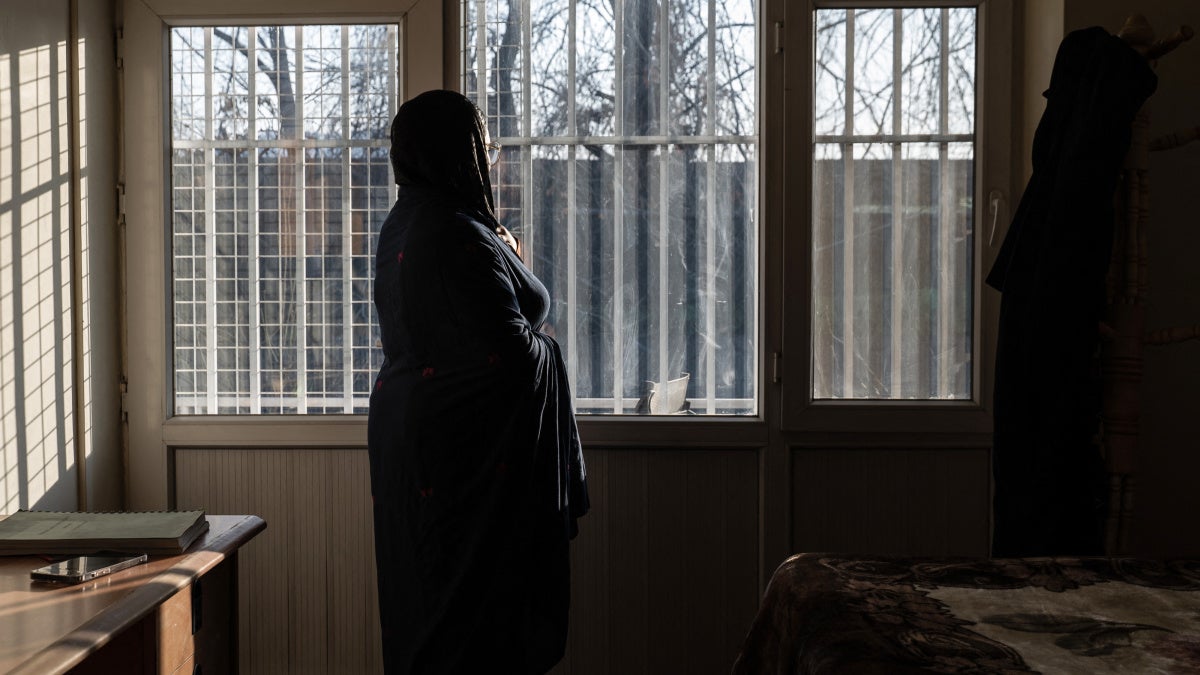
Since taking power, the Taliban have systematically dismantled basic civil liberties. Shortly after taking power, the Taliban banned women and girls from accessing secondary and higher education. These decrees are compounded by stringent restrictions on female employment, freedom of expression, and freedom of movement outside their homes, which complicate the task of humanitarian organizations trying to deliver aid.
Systemic Repression Targeting Critics and Former Officials
Journalists, activists, and people perceived as detractors of the Taliban face intimidation, arrests, arbitrary detentions, and torture, according to findings documented by Human Rights Watch. Furthermore, several hundred members of the security forces of the former government have been subjected to enforced disappearances and extrajudicial executions.
Severe Humanitarian Toll and Border Pressures
Parallel to the political repression, the civilian population faces a persistent humanitarian crisis. After the suspension of the majority of foreign aid to Afghanistan, half of the population needs food and medical aid. Data compiled by human rights monitors indicates that more than 3.7 million children suffer from acute malnutrition, while health services have been seriously weakened.
Mass returns of Afghan refugees expelled from Pakistan and Iran have exacerbated the crisis. Most returning individuals arrive without housing, means of subsistence, or income, placing additional burdens on depleted local resources.
Persistent Security Threats and Regional Conflict
Security challenges extend beyond economic and administrative pressures. The resumption of armed clashes with Pakistan, alongside sporadic attacks led by the Islamic State, have caused hundreds of victims among the civilian population.
International Accountability and Legal Avenues
Over the last decades, practically no obligation to render accounts has been imposed for abuses committed by all parties to the conflict. However, efforts to render justice gained new momentum in 2025. The International Criminal Court (CPI) advanced accountability efforts by issuing arrest warrants, while the United Nations established a historic investigative body.
Related reading
- Optellum and Coreline Soft Partner to Integrate AI for Lung Nodule Detection and Care
- Does Cracking Your Knuckles Cause Arthritis? What Science Says After 50 Years of Research
- What Holds Matter Together? Physicists Find Breakthrough Evidence After 50 Years (archyworldys.com)
- Bird Flu Crisis in Australia: Outbreaks, Vaccines, and Event Cancellations (newsdirectory3.com)