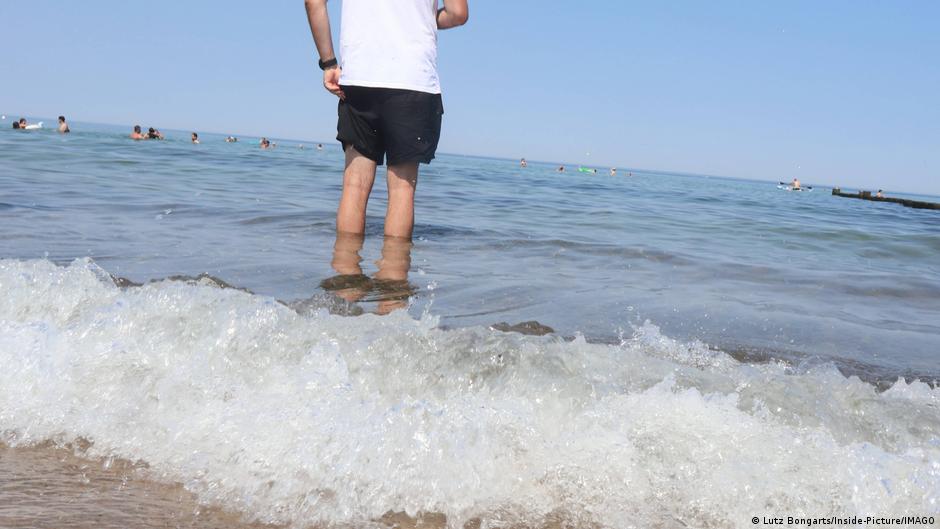
Public health authorities across Europe and North America have intensified surveillance following reported fatalities linked to naturally occurring marine bacteria. In Germany, health officials confirmed two deaths associated with bacterial infections in aquatic environments, drawing renewed attention to seasonal risks along coastal regions. These incidents coincide with parallel warnings in the United States, where regional health agencies have tracked similar bacterial exposures, prompting ongoing medical advisories for coastal visitors and vulnerable populations.
The emerging cases highlight the persistent microbiological hazards present in warm coastal waters during peak summer and early autumn months. While medical professionals emphasize that severe infections remain statistically rare for the general public, individuals with underlying health conditions face elevated risks. Understanding how these pathogens operate, who remains most vulnerable, and what precautions are necessary can significantly reduce exposure risks during recreational water activities.
Public health agencies emphasize that prompt medical intervention is crucial for anyone developing symptoms after marine exposure. Healthcare providers continue to monitor environmental conditions closely as water temperatures fluctuate, issuing localized warnings when bacterial concentrations exceed safety thresholds.
Understanding Marine Bacterial Strains and Environmental Triggers
The recent fatalities reported in Germany stem from opportunistic bacteria naturally thriving in brackish and marine environments. According to European public health reports, these microorganisms multiply rapidly as water temperatures rise during warmer months. The Baltic Sea region has historically experienced periodic spikes in bacterial proliferation, leading regional authorities to issue targeted health alerts for swimmers and individuals with open wounds.
Despite sensationalized media labels often used to describe these pathogens, medical experts clarify that the bacteria do not actively hunt tissue. Instead, infections typically occur when opportunistic strains enter the human body through pre-existing cuts, scrapes, or recent piercings during swimming or wading.
Environmental factors heavily dictate bacterial activity levels. Salinity levels, shallow coastal geography, and sustained high water temperatures create optimal breeding conditions. As climate patterns shift and coastal waters experience prolonged warming periods, public health surveillance systems have adapted to track these environmental variables more closely, providing timely warnings to municipalities and beachgoers.
Global Surveillance and Parallel Incidents in North America
While European authorities manage coastal advisories along the Baltic basin, health departments in the United States report similar seasonal concerns. In Florida, health officials in Palm Beach County confirmed active cases and fatalities attributed to comparable marine bacterial strains, reinforcing the global nature of these environmental health risks. Local health departments maintain rigorous testing protocols to identify high-risk zones and inform the public promptly.
Public health analysts point out that while the underlying bacterial species differ slightly between European and American coastal waters, the clinical presentation and risk factors remain remarkably consistent. Individuals suffering from chronic liver disease, diabetes, or compromised immune systems face the highest probability of developing severe complications, such as necrotizing fasciitis or primary sepsis, following exposure.
Medical literature consistently stresses that healthy individuals with intact immune systems and no open skin lesions rarely develop severe manifestations. Standard antibiotic treatments, when administered immediately upon symptom onset, remain highly effective at controlling infections before they escalate into medical emergencies.
Clinical Manifestations and Prevention Guidelines
Recognizing the early symptoms of a marine bacterial infection can prevent life-threatening complications. Initial signs typically include intense localized pain, rapid swelling, redness around a wound site, and blistering. Systemic symptoms such as fever, chills, and dangerously low blood pressure can develop rapidly if the bacteria enter the bloodstream.
Health authorities recommend several practical precautions for anyone engaging in coastal recreation:
- Avoid entering marine or brackish water if you have open wounds, surgical incisions, or recent tattoos.
- Use waterproof bandages to cover minor cuts or scrapes completely if swimming is unavoidable.
- Rinse thoroughly with soap and clean water immediately after accidental exposure to seawater.
- Refrain from consuming raw or undercooked shellfish, especially if you belong to a high-risk medical category.
- Seek immediate medical attention if a wound sustained near water begins showing signs of rapid inflammation or severe pain.
Next Steps and Official Guidance
As summer recreational seasons progress, municipal and national health authorities will continue issuing updated water quality assessments and safety advisories.
We welcome your thoughts and questions on public health safety. Please share your comments below, or join the discussion by sharing this article with your network.
- Cryptic Pregnancy: Why Some Women Don’t Know They Are Pregnant Until Labor
- CMS Finalizes FY 2027 Hospital IPPS Rule: 2.3% Pay Increase and Mandatory Joint Replacement Model
- DR Congo Ebola Outbreak Becomes Second Largest in History (world-today-news.com)
- Global Diabetes Cases Projected to Reach 552 Million by 2030 (time.news)