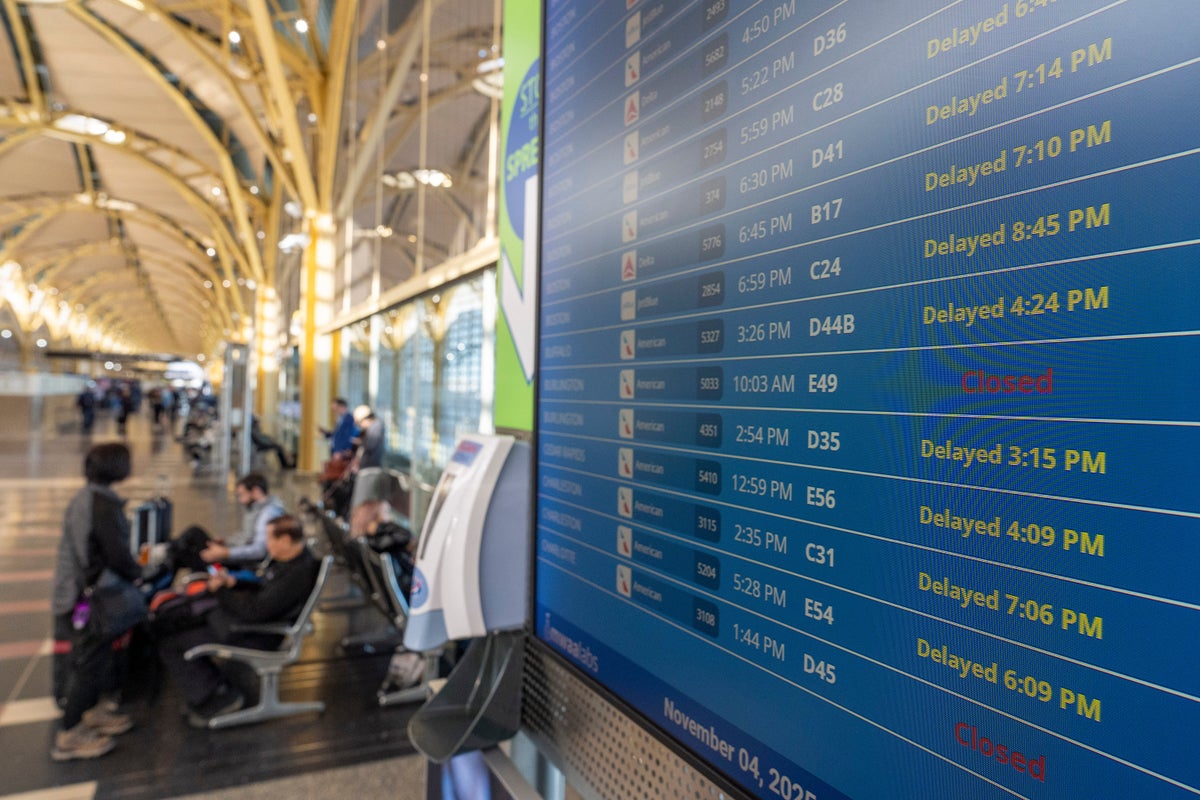
Looming Travel Disruptions: Flight Reductions Impacting Major US Airports
Important travel delays are becoming increasingly likely as a ripple effect of the ongoing federal government shutdown continues to unfold. Experts predict noticeable disruptions within the next 10-20 days, escalating to “very real travel delays” after 30-40 days if a resolution isn’t reached. This isn’t a hypothetical scenario; its a developing situation impacting your travel plans.
The core of the issue lies with reduced staffing at the Federal Aviation Administration (FAA). Specifically, air traffic controllers and safety personnel are working without pay, and the strain is beginning to show. While a full shutdown of the air traffic system isn’t anticipated, airlines are proactively reducing flight schedules to mitigate potential issues.
Here’s what you need to know, and how it could affect your upcoming trips:
Which Airports Are Affected?
Currently, 30 “core airports” are experiencing flight reductions. These are major hubs across the country, meaning a large percentage of travelers will likely be impacted. Here’s a comprehensive list:
* Hartsfield-Jackson Atlanta Intl (ATL)
* Boston Logan Intl (BOS)
* Baltimore/Washington Intl (BWI)
* Charlotte Douglas intl (CLT)
* Ronald Reagan Washington National (DCA)
* Denver Intl (DEN)
* Dallas/fort Worth Intl (DFW)
* Detroit Metropolitan wayne County (DTW)
* Newark Liberty Intl (EWR)
* Fort Lauderdale/hollywood Intl (FLL)
* Honolulu Intl (HNL)
* Washington Dulles intl (IAD)
* George Bush Houston Intercontinental (IAH)
* New York John F.Kennedy Intl (JFK)
* Las Vegas McCarran Intl (LAS)
* Los angeles Intl (LAX)
* New York LaGuardia (LGA)
* Orlando Intl (MCO)
* Chicago Midway (MDW)
* Memphis intl (MEM)
* Miami Intl (MIA)
* Minneapolis/St. Paul Intl (MSP)
* Chicago O`Hare Intl (ORD)
* Philadelphia intl (PHL)
* Phoenix Sky Harbor Intl (PHX)
* San Diego Intl (SAN)
* Seattle/Tacoma Intl (SEA)
* San Francisco Intl (SFO)
* Salt Lake City Intl (SLC)
* tampa Intl (TPA)
What Does This Mean For You?
Essentially,fewer available seats mean potentially higher prices and increased difficulty securing your preferred flights.You should anticipate longer wait times at airports, and a greater chance of cancellations or delays.
Here’s how to prepare:
* Check Your Flight Status Frequently: Don’t just check the day of your travel. Monitor your flight status several times a day leading up to departure.
* Contact Your Airline Directly: If you have concerns, reach out to your airline. They are the best source of data regarding your specific flight.
* Consider Travel Insurance: If you haven’t already,explore travel insurance options that cover disruptions due to government shutdowns or other unforeseen circumstances.
* Be Flexible: If possible, consider choice travel dates or airports. Flexibility can significantly increase your chances of a smooth journey.
* Pack Your Patience: Airport staff are doing their best under challenging circumstances. A little kindness and understanding can go a long way.
The situation remains fluid, and the length of the shutdown will directly correlate with the severity of the travel disruptions. While the immediate impact may seem minimal, the potential for significant delays is growing with each passing day. Staying informed and proactive is your best defense against a frustrating travel experience.
Remember, this isn’t just about inconvenience; it’s about ensuring the safety and efficiency of our national airspace. A swift resolution to the
Related reading
- French Court Rules on Marine Le Pen’s “Renaissance” Campaign Poster Dispute
- Senate European Affairs Committee: Majority Blitz in Rome
- Japan Cuts GDP Growth Forecast as South Korea, Taiwan Surge on AI Semiconductor Boom (archynewsy.com)
- Global Markets Slump as Oil Prices Surge and AI Chip Stocks Sell Off (time.news)