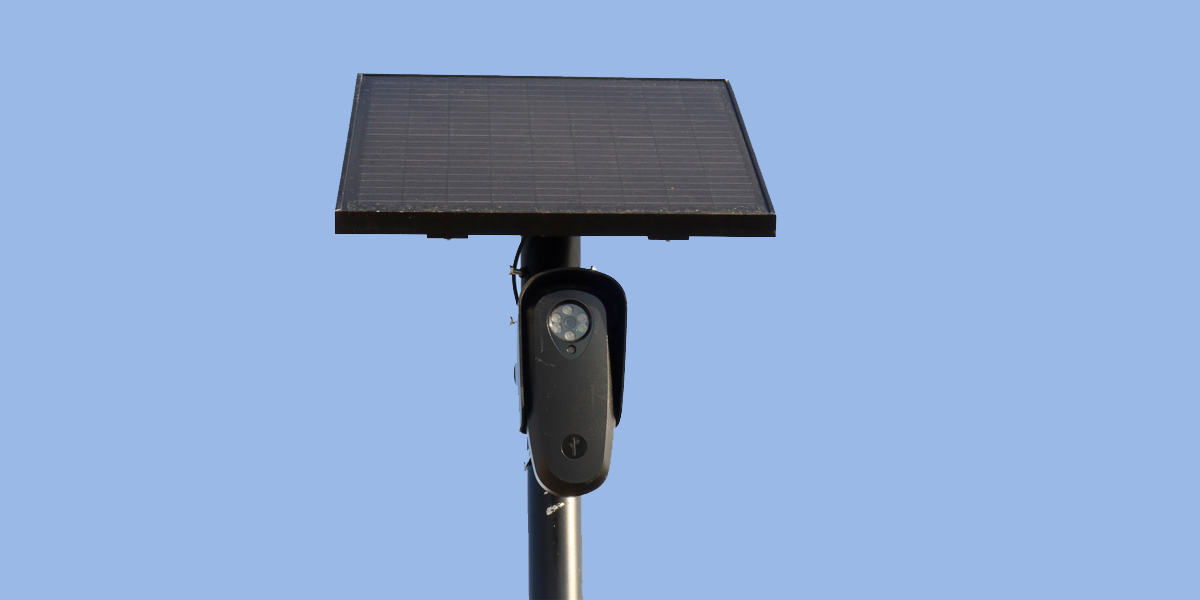
In communities across the United States, the deployment of automated license plate reader (ALPR) technology has become a standard feature of modern law enforcement. Originally pitched to the public as a high-tech solution for identifying stolen vehicles and tracking suspects in violent crimes, these camera networks are now undergoing what privacy experts call “mission creep.” Recent investigations into the usage logs of these systems suggest that the surveillance dragnet is expanding far beyond its original scope, reaching into the mundane details of daily civilian life without the oversight of a judicial warrant.
At the center of this shift is the widespread adoption of cloud-connected camera systems, such as those manufactured by Flock Safety. These devices document every passing vehicle, capturing license plate numbers, vehicle make, model, color, and even specific distinguishing features like bumper stickers or roof racks. When paired with the ability to share data across vast, interconnected networks, these systems create a persistent, searchable record of movement. For many citizens, the primary concern is not just the collection of this data, but the lack of a legal requirement for police to obtain a warrant before querying these massive repositories for reasons that have little to do with criminal investigations.
The expansion of ALPR capabilities has led to a pattern where law enforcement agencies treat the databases as a universal tracker. Instead of focusing on serious felony investigations, documentation reveals that officers are increasingly using these tools for matters as minor as noise complaints, school residency verification, and routine employment background checks. This transformation of a public safety tool into a mechanism for administrative and petty surveillance raises significant questions about the balance between privacy and institutional convenience.
The Shift Toward Administrative Surveillance
One of the most concerning trends identified in recent audit logs is the use of ALPR networks to enforce school district boundaries. In some jurisdictions, school police have utilized these cameras to monitor whether families are residing within the specific geographic zones required for enrollment. This practice effectively turns a tool designed for traffic and criminal safety into a monitoring system for private residential habits. When school districts enlist law enforcement to track the comings and goings of families, the surveillance can inadvertently capture trips to medical appointments, religious institutions, and other sensitive locations.
The scale of this activity can be significant. In some instances, reports have indicated that residency verification searches account for a substantial majority of the queries performed by specific school-based law enforcement units over a period of several months. While school officials often defend these practices as necessary to protect the integrity of district resources and combat residency fraud, the privacy implications are profound. Parents and guardians who enroll children in public schools may not be aware that their daily commute is being logged and reviewed by police to verify their home address.
Beyond the school zone, the use of ALPR data for employment background checks represents another departure from standard investigative protocols. In several documented cases, law enforcement agencies have included “employment” or “background check” as the reason for querying thousands of camera networks. This practice suggests a blurring of lines between law enforcement duties and general administrative vetting. When a background check for a government position or a professional license triggers a search across a multi-state surveillance network, it introduces a level of scrutiny that many individuals would not expect to encounter during standard vetting processes.
From High-Stakes Policing to Noise Complaints
The original promise of ALPR technology centered on the “crime-fighting” narrative. Law enforcement spokespeople and company representatives frequently highlight the recovery of stolen vehicles or the apprehension of violent offenders as the primary justification for the systems. However, the operational reality revealed in recent audit data shows a different pattern. In dozens of instances, officers have used these surveillance networks to investigate noise complaints, such as loud music or modified exhaust systems.

The disparity between the severity of these complaints and the capability of the technology is stark. Launching a query across thousands of interconnected cameras to identify a driver who played loud music is an approach that many civil liberties advocates argue is a disproportionate use of public resources. It reflects a culture where the ease of access to surveillance data encourages its use for any issue that happens to fall under the purview of law enforcement, regardless of whether that issue constitutes a significant public safety threat.
This “mission creep” is often enabled by the lack of a warrant requirement. In the traditional legal framework, police are generally required to demonstrate probable cause to a judge before they can obtain sensitive location information or conduct broad searches of a person’s movements. By treating ALPR databases as “publicly available” or “non-protected” data, many agencies effectively bypass these constitutional safeguards. This creates a “shortcut” culture where the threshold for surveillance is lowered to the personal whim of the individual officer or agency policy, rather than being governed by judicial oversight.
The Privacy Cost of Indiscriminate Sharing
The reach of ALPR surveillance is significantly amplified by the nature of the data sharing that these systems encourage. Many agencies choose to opt into nationwide pools, allowing their local cameras to be queried by law enforcement across the country. This interconnectedness means that a single license plate can be tracked across thousands of miles, providing a comprehensive map of an individual’s movements over weeks or months. For the average citizen, this means that their daily travel—whether it is to a doctor, a pharmacy, a place of worship, or a political protest—is potentially visible to hundreds of law enforcement agencies nationwide.

Privacy advocates have raised alarms about the potential for this data to be weaponized against vulnerable populations. There is evidence that such systems have been used to surveil protesters, immigrant communities, and other groups that may be subject to heightened law enforcement attention. When the data is not siloed and is instead shared broadly, the potential for abuse grows exponentially. The “network audit logs” that document these searches are often the only way for the public to understand how their data is being used, yet these logs are frequently difficult to access and analyze.
As the conversation around surveillance continues to evolve, the focus is shifting toward the need for clearer regulations. Legislative bodies and local city councils are increasingly being asked to define the limits of ALPR usage. Without mandatory warrant requirements and strict policies governing data retention and sharing, the technology will likely continue to expand into new areas of civilian life. The debate is no longer just about whether the technology works to solve crimes, but whether the cost to civil privacy is worth the benefits of this persistent, automated tracking.
Looking Ahead: Accountability and Policy
The future of ALPR deployment in the United States remains a subject of ongoing debate. As more agencies implement these systems, the pressure to establish standardized policies increases. Some departments have begun to revise their internal documentation practices following public scrutiny, aiming to improve accountability and transparency. However, these self-imposed changes are often limited in scope and do not address the fundamental issue of whether broad, warrant-less access to location data is compatible with established privacy norms.
For residents concerned about the use of ALPR technology in their communities, the best course of action is to engage with local government. City council meetings, public records requests, and direct inquiries to police departments are the most effective ways to learn about the specific policies governing surveillance in your area. Many jurisdictions are required to hold public hearings before installing or expanding such systems. Monitoring these forums can provide insight into how your local agency uses ALPR data and whether they have implemented safeguards to prevent mission creep.
As legal challenges to warrant-less surveillance continue to wind through the courts, the regulatory landscape may shift. Future judicial rulings or legislative actions could impose stricter limits on how long data can be stored and under what circumstances it can be accessed. Until then, the onus remains on the public to remain informed and to demand that the tools of modern policing are used with the transparency and restraint that a free society requires. If you have concerns about surveillance practices in your jurisdiction, consider contacting your local representatives to ask for a formal review of current data-sharing agreements and search protocols.
Worth a look