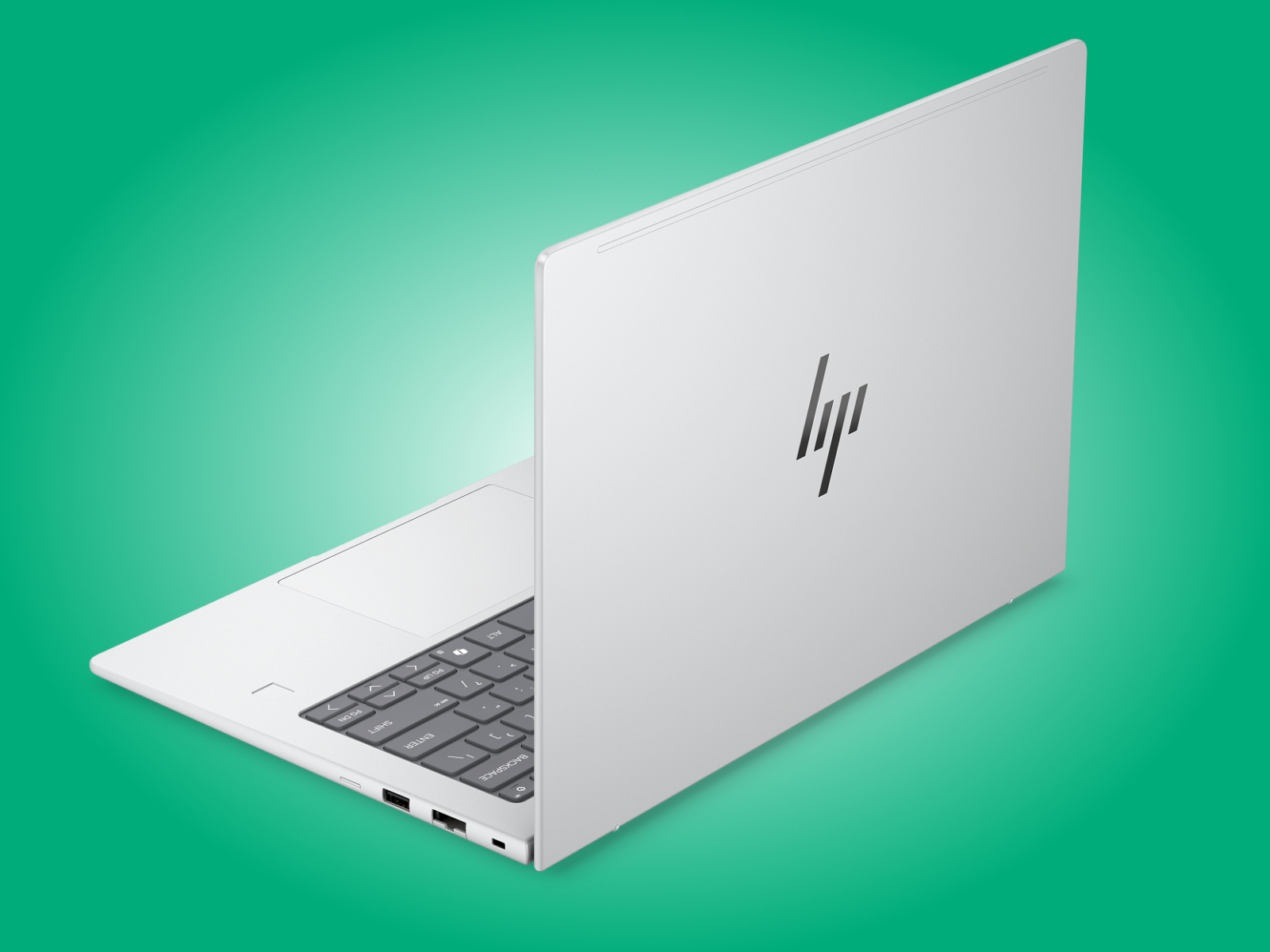
This hardware shift marks a move toward ARM-based architecture to improve battery efficiency and integrate deep AI capabilities directly into the Windows ecosystem.
The new device enters a competitive market where HP is leveraging Qualcomm’s Snapdragon X series to challenge traditional x86 processors from Intel and AMD. By pairing the Snapdragon X Elite with 32GB of memory, HP is targeting power users and corporate professionals who require high-performance multitasking and on-device AI processing without the typical battery drain associated with high-end laptops.
This release is part of a broader hardware refresh for HP, which includes the rollout of various EliteBook and ZBook configurations. These machines are designed to meet the stringent requirements of the “Copilot+” specification, which requires a Neural Processing Unit (NPU) capable of 40+ TOPS (trillions of operations per second) to run AI features locally on the device.
Snapdragon X Elite Integration in HP 14-Inch Models
The core of the new 14-inch laptop is the Snapdragon X Elite chip, an ARM-based processor designed to compete with Apple’s M-series silicon. According to Qualcomm’s official specifications, the X Elite utilizes an Oryon CPU architecture that aims to deliver high performance per watt, significantly extending the time a user can work away from a power outlet.

Equipping the device with 32GB of RAM is a strategic choice. AI-driven tasks, such as local large language model (LLM) execution and real-time translation, are memory-intensive. The 32GB configuration ensures that the system can handle the Windows Copilot+ features—such as Recall, which snapshots user activity for later retrieval—without bottlenecking the processor.
While the specific model name for the 14-inch variant is often grouped under the EliteBook or OmniBook branding depending on the region, the hardware focus remains on portability and AI throughput. The shift to ARM allows HP to maintain a slim 14-inch chassis while managing thermal output more effectively than previous Intel-based iterations.
Expanding the High-End Lineup: ZBook and EliteBook Updates
Parallel to the 14-inch ARM rollout, HP is updating its workstation and enterprise tiers with a mix of Intel’s latest silicon and specialized graphics. Reports indicate the launch of the HP ZBook 8 G2i 16, a mobile workstation featuring Intel’s “Panther Lake” architecture and the Arc B390 graphics card. This configuration targets engineers and creators who require x86 compatibility for legacy software and high-end GPU acceleration for rendering.

In the enterprise sector, the HP EliteBook 6 G2q is appearing in various markets. Some versions of this device are also equipped with the Snapdragon X2 chipset, with pricing reportedly starting at $3,500 in certain regions. This high entry price reflects the premium placed on the new ARM architecture and the integrated AI hardware intended for corporate security and productivity.
For those requiring larger screens and higher memory ceilings, HP has introduced 16-inch models featuring 64GB of RAM and the Arc B390 GPU. These units often include Variable Refresh Rate (VRR) displays at 120Hz, which reduce screen tearing and improve smoothness during high-motion tasks, a feature typically reserved for gaming laptops but now migrating into professional workstations.
Technical Comparison of HP’s New Hardware Paths
HP is currently pursuing two distinct hardware strategies: one focused on AI-efficiency via ARM and another on raw power via Intel. The following table outlines the primary differences between these current trajectories based on available specifications.
| Feature | Snapdragon X Elite Models | Intel Panther Lake / Arc Models |
|---|---|---|
| Architecture | ARM64 | x86-64 |
| Primary Goal | Battery life & On-device AI | Compute power & Software compatibility |
| Memory Ceiling | Up to 32GB (Standard high-end) | Up to 64GB (Workstation grade) |
| Graphics | Integrated Qualcomm Adreno | Intel Arc B390 |
| Key AI Feature | Copilot+ (NPU 40+ TOPS) | Intel AI Boost / GPU Acceleration |
Impact of the ARM Transition on Windows Users
The move to Snapdragon X processors represents a fundamental shift in how Windows laptops operate. Because ARM processors use a different instruction set than Intel or AMD, some applications must run through an emulation layer called Prism. According to Microsoft’s Copilot+ PC documentation, Prism is designed to provide a seamless transition, but users with highly specialized legacy software may experience varied performance.

The primary benefit for the user is the “instant-on” capability and drastically reduced standby power consumption. By utilizing the NPU for tasks like background blur in video calls or live captions, the main CPU remains idle more often, which prevents the laptop from overheating and extends the physical lifespan of the battery.
For corporate IT departments, the EliteBook 6 G2q and similar Snapdragon-powered devices offer a new balance of security and mobility. The integration of AI at the silicon level allows for more sophisticated endpoint security monitoring that doesn’t slow down the user’s primary workflow.
HP is expected to provide further updates on regional availability and final pricing for the Snapdragon X Elite 14-inch series as the Copilot+ rollout expands globally. Users can check the official HP store for confirmed local specifications.
Do you think ARM processors will eventually replace Intel in the corporate world, or is the software compatibility gap too wide? Share your thoughts in the comments below.
Keep reading
- Instagram QR Code: What It Is, Where to Find It, and How to Download It
- Become a Sponsor for FRAESP World Cup CDM 2026
- Steve Buscemi Joins Cast of FX’s Far Cry Video Game Anthology Series (archyworldys.com)
- The Five Star Weekend: How the Peacock Series Fails the Novel’s Themes of Forgiveness (archynewsy.com)