
Florida authorities have shuttered a controversial migrant detention facility known colloquially as “Alligator Alcatraz,” following extensive scrutiny over operational costs and management oversight. According to state records and public expenditure reports, the facility, officially identified as the Everglades Correctional Center, incurred costs exceeding $1,200 per day per detainee before its eventual closure. The decision follows a series of audits and public pressure regarding the fiscal sustainability and human rights standards of private detention contracts in the region.
The closure marks a significant shift in how Florida manages its overflow of migrant populations, particularly those processed under state-level initiatives. Financial documents released by the Florida Department of Management Services indicate that the facility’s daily operating expenses far outpaced the regional average for similar detention environments. Critics and watchdog organizations have long cited these figures as evidence of mismanagement, pointing to a lack of transparency in how state funds were allocated to private contractors overseeing the site.
Fiscal Oversight and Operational Costs
The financial viability of the detention center became a focal point for state legislators during the most recent fiscal review. According to data published by the Florida Department of Financial Services, the daily cost of $1,200 per individual was primarily driven by high security-to-detainee ratios and the remote nature of the facility, which required costly logistical support. These expenditures were funded through a combination of state grants and redirected emergency management budgets, a practice that drew sharp criticism from budget oversight committees in Tallahassee.
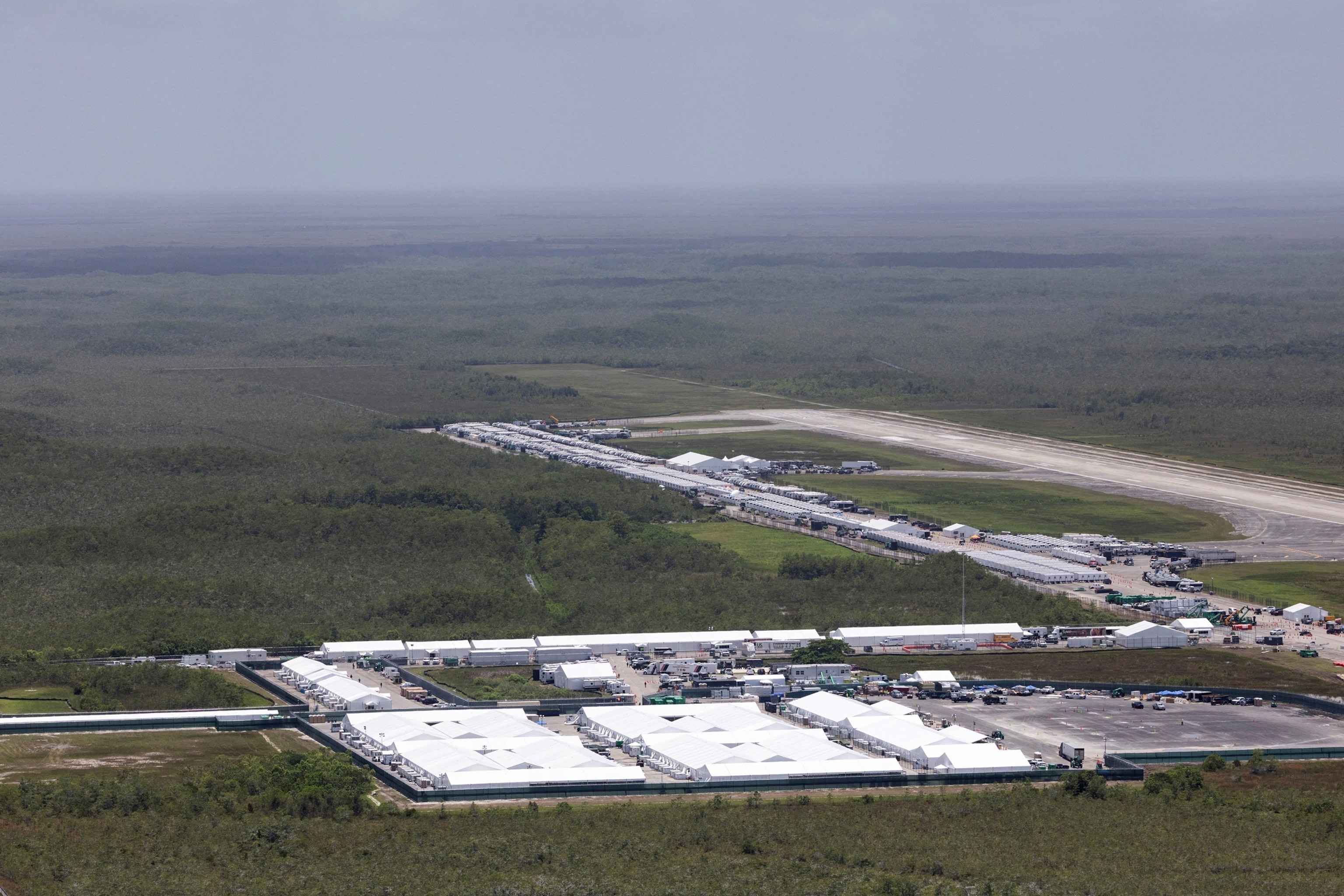
State auditors noted that while the facility was designed to provide temporary housing, the duration of stay for many detainees stretched into months, compounding the total cost to taxpayers. The Florida Senate Appropriations Committee has since initiated a broader inquiry into how such high-cost contracts are approved without competitive bidding processes. This investigation remains ongoing, with officials expected to release a comprehensive report on state-contracted detention spending by the end of the current fiscal year.
The Impact on Migrant Detention Policy
The closure of the facility has forced the Florida Department of Law Enforcement to redistribute detainees to existing federal and state-sanctioned sites. Advocates for migrant rights, including the American Civil Liberties Union of Florida, have characterized the closure as a necessary step, though they caution that the underlying issues regarding detention conditions remain unresolved. The primary concern among human rights observers is whether the closure will lead to improved conditions or simply shift the population to facilities with even less public oversight.
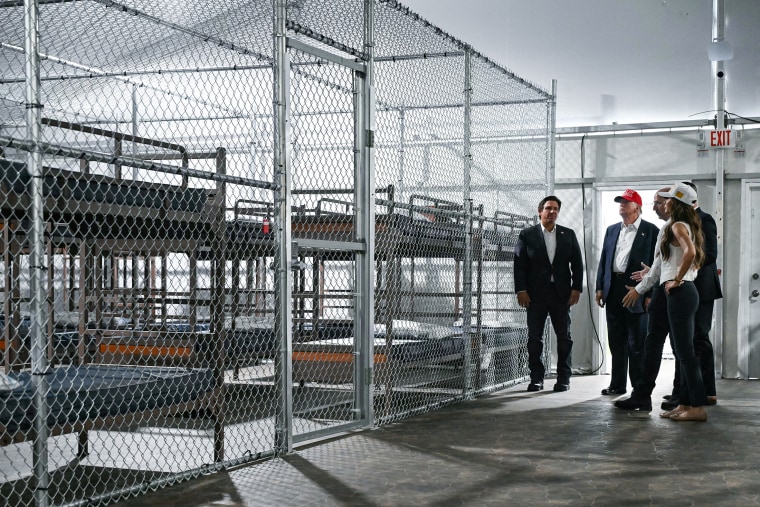
Government agencies maintain that the decision to close the center was purely based on fiscal efficiency. A spokesperson for the Governor’s office stated in a recent press briefing that the state is transitioning toward a more centralized model of processing to reduce administrative overhead. However, legal experts point out that this transition is occurring amidst a complex backdrop of federal immigration litigation, which limits the state’s authority to hold individuals for extended periods without federal coordination.
What Happens Next for the Site
The future of the property remains uncertain. While the state has ceased all detention operations, the site is currently undergoing a formal environmental and structural assessment. According to the Florida Department of Environmental Protection, any future use of the land must comply with strict Everglades protection regulations, which may limit commercial or governmental redevelopment. Local municipal officials have expressed interest in converting the land for conservation purposes, though no formal proposal has been submitted to the state legislature.

For those seeking information regarding the status of individuals who were previously held at the center, the U.S. Immigration and Customs Enforcement (ICE) online detainee locator remains the primary resource for tracking custody status. Families and legal representatives are encouraged to check the site regularly, as transfers between state and federal facilities can often result in delays in information updates. The next official update regarding the decommissioning of the site is expected in the upcoming quarterly report from the state’s budget office.
We invite our readers to share their thoughts on these developments in the comments section below. Accurate, balanced reporting on state fiscal policy and human rights is essential to our mission at World Today Journal. Please consider sharing this article to help inform the broader conversation regarding public spending and immigration policy.
Related reading