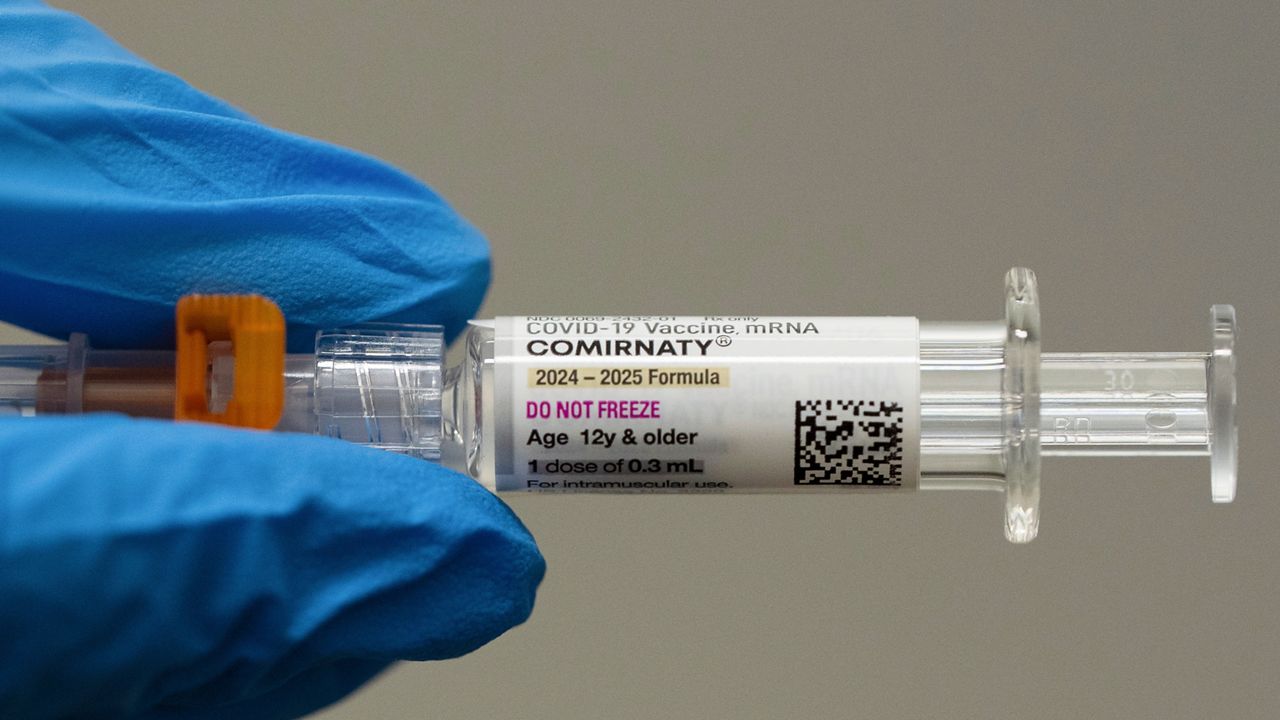
Protecting Yourself and Your Community: A guide to Respiratory Illness prevention in New York (2025)
As the leaves change and temperatures drop in late fall 2025, a predictable surge in respiratory illnesses, including influenza and COVID-19, is occurring across new York. Staying ahead of these seasonal threats requires proactive measures, and vaccination remains the most effective defense. This thorough guide will detail the current recommendations for New Yorkers, explore the importance of preventative strategies, and provide insights into navigating the evolving landscape of respiratory health.
Understanding the Current Landscape of Respiratory Viruses
The interplay between influenza, COVID-19, and other respiratory pathogens creates a complex public health challenge. Recent data from the New York State Department of Health, released November 15, 2025, indicates a 15% increase in reported influenza cases compared to the same period last year, alongside a continued, albeit lower, prevalence of COVID-19 variants.This underscores the need for vigilance and a multi-faceted approach to protection.
The emergence of new COVID-19 variants,like the recently identified HV.1, necessitates ongoing monitoring and adaptation of preventative measures. While current vaccines continue to offer ample protection against severe illness, hospitalization, and death, their effectiveness can wane over time, especially against evolving strains. This is why staying up-to-date with recommended boosters is crucial.
Vaccination: Your Primary Defense Against Respiratory Illnesses
Public health officials strongly advise all New Yorkers aged six months and older to receive annual vaccinations against both influenza and COVID-19.These vaccines are designed to stimulate the immune system, preparing the body to fight off infection if exposed.
“Vaccination is the single most crucial step individuals can take to protect themselves and their communities from respiratory illnesses.”
dr. Andrew Wallach, a leading physician with NYC Health + Hospitals, recently emphasized the critical role of vaccination in a discussion on “News All Day” (see video below). He highlighted that even if vaccinated individuals do contract a respiratory illness, their symptoms are typically milder and the risk of severe complications is considerably reduced.
As shown in this video, Dr. Wallach explains the benefits of vaccination and addresses common concerns.
Understanding Vaccine Options (november 2025):
* Influenza Vaccines: Several influenza vaccine options are available, including standard-dose shots, high-dose shots (recommended for individuals 65 years and older), and cell-based vaccines.
* COVID-19 Vaccines: Updated COVID-19 vaccines are formulated to target currently circulating variants. The CDC recommends that everyone ages 6 months and older receive an updated 2025-2026 COVID-19 vaccine, irrespective of prior vaccination status.
Beyond Vaccination: Additional preventative measures
While vaccination is paramount, a comprehensive approach to respiratory illness prevention includes several other key strategies:
* Good Hygiene: frequent handwashing with soap and water for at least 20 seconds is essential. Use hand sanitizer when soap and water are not readily available.
* Respiratory Etiquette: Cover your mouth and nose with a tissue when coughing or sneezing. If a tissue isn’t available, cough or sneeze into your elbow.
* Masking: Wearing a high-quality mask (N95 or KN95) in crowded indoor settings can significantly reduce the risk of transmission.
* Ventilation: Improve indoor air quality by opening windows and using air purifiers with HEPA filters.
* Staying Home When Sick: If you are experiencing symptoms of a respiratory illness, stay home from work or school to
Worth a look