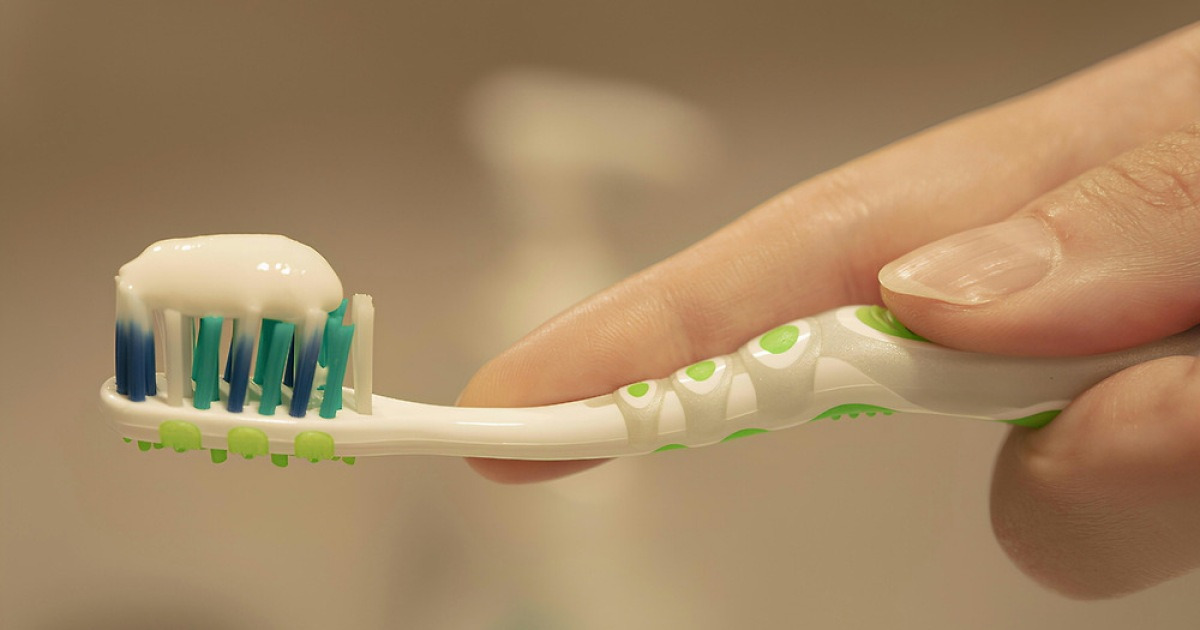
The Hidden Harm in Vigorous Brushing: Why “3N Force” is Damaging Your Teeth
Many of us believe that a thorough brushing involves applying significant pressure to remove plaque and achieve that squeaky-clean feeling. However, dental professionals are increasingly warning that this very practice – what they’re calling “3N force” – can be detrimental to long-term oral health. Whereas maintaining good oral hygiene is crucial, the way we brush is just as important as how often. Recent data highlights a concerning trend: tooth decay is on the rise, particularly among children, despite increased awareness of dental care.
The concept of “3N force” refers to applying approximately 3 Newtons of pressure while brushing. While it might not sound like much, this level of force can erode tooth enamel, damage gums and even lead to increased tooth sensitivity. The Korea Disease Control and Prevention Agency (KDCA) has been actively researching and disseminating information on effective oral hygiene practices, emphasizing the importance of technique over sheer force. Their resources detail the causes and risk factors associated with tooth decay, a condition commonly known as cavities.
Understanding Tooth Decay and Its Prevalence
Tooth decay, or dental caries, is a disease where the tooth enamel is progressively destroyed by acids produced by bacteria in the mouth. These bacteria thrive on sugars and carbohydrates, creating an environment conducive to acid production. According to a 2024 report, approximately 60.3% of 12-year-olds in South Korea experience permanent tooth decay. This figure represents a concerning increase over the past decade, underscoring the necessitate for improved preventative measures and brushing techniques.
The KDCA identifies several factors contributing to tooth decay, including the presence of bacterial plaque, frequent consumption of sugary foods and drinks, and inadequate fluoride exposure. However, improper brushing technique, specifically the application of excessive force, is now recognized as a significant contributor. This force can wear away enamel, exposing the underlying dentin, which is more sensitive and vulnerable to decay.
The Science Behind the Damage: Why 3N is Too Much
Enamel is the hardest substance in the human body, but it’s not indestructible. Constant, forceful brushing acts like a micro-abrasion, gradually wearing down the protective enamel layer. This erosion not only increases sensitivity to hot and cold temperatures but also makes teeth more susceptible to cavities. Aggressive brushing can cause gum recession, exposing the roots of the teeth, which are even more vulnerable to decay, and sensitivity.
Dentists recommend using a soft-bristled toothbrush and employing a gentle, circular motion. The focus should be on removing plaque and debris without applying excessive pressure. Imagine you are polishing, not scrubbing, your teeth. The correct technique involves holding the toothbrush at a 45-degree angle to the gumline and using short, gentle strokes.
Beyond Brushing Force: Other Factors in Oral Health
While brushing technique is paramount, maintaining optimal oral health requires a holistic approach. Diet plays a crucial role, with frequent consumption of sugary snacks and beverages significantly increasing the risk of tooth decay. Limiting these items and opting for water or sugar-free alternatives can make a substantial difference.
Regular dental check-ups are also essential. Dentists can identify early signs of decay, provide professional cleanings to remove plaque and tartar buildup, and offer personalized advice on oral hygiene practices. The South Korean Ministry of Health and Welfare actively supports initiatives to improve access to dental care, including programs focused on school-based dental health education and the establishment of dental clinics in underserved areas. The ministry’s website provides information on various oral health programs and resources.
What Can You Do? A Gentle Approach to Oral Hygiene
Here are some practical steps you can take to protect your teeth and gums:
- Choose a soft-bristled toothbrush: Soft bristles are gentler on enamel and gums.
- Use gentle pressure: Focus on technique, not force. Imagine you are massaging your gums, not scrubbing your teeth.
- Brush in circular motions: This helps to remove plaque without damaging enamel.
- Limit sugary foods and drinks: Reduce your intake of sugary snacks and beverages.
- Visit your dentist regularly: Schedule regular check-ups and professional cleanings.
- Consider fluoride toothpaste: Fluoride strengthens enamel and helps prevent decay.
Addressing the issue of excessive brushing force is a crucial step in improving oral health outcomes. By adopting a gentler approach and prioritizing proper technique, individuals can protect their teeth and gums for years to come. The rising rates of tooth decay, particularly among young people, serve as a stark reminder that simply brushing harder isn’t always better.
Key Takeaways
- Applying excessive force (3N) while brushing can damage tooth enamel and gums.
- Tooth decay is increasing, particularly among children, highlighting the need for improved oral hygiene practices.
- A soft-bristled toothbrush and gentle, circular motions are recommended for effective and safe brushing.
- Regular dental check-ups and a balanced diet are essential components of optimal oral health.
The KDCA continues to monitor oral health trends and develop strategies to promote preventative care. Further research is planned to investigate the long-term effects of different brushing techniques and to refine recommendations for optimal oral hygiene. Stay informed about the latest dental health guidelines and consult with your dentist for personalized advice.
Do you have questions about proper brushing technique or concerns about your oral health? Share your thoughts in the comments below, and let’s start a conversation about protecting our smiles!
- Health Benefits of Tomatoes: Why You Should Add Them to Your Diet
- Nivolumab and Ipilimumab Combination Therapy for Advanced Hepatocellular Carcinoma: Clinical Efficacy and Prognostic Factors
- The Relationship Between Vaping and Health: Separating Fact from Alarmist Headlines (world-today-news.com)
- Affordable Food That Significantly Boosts Your Health, According to Doctor (newsdirectory3.com)