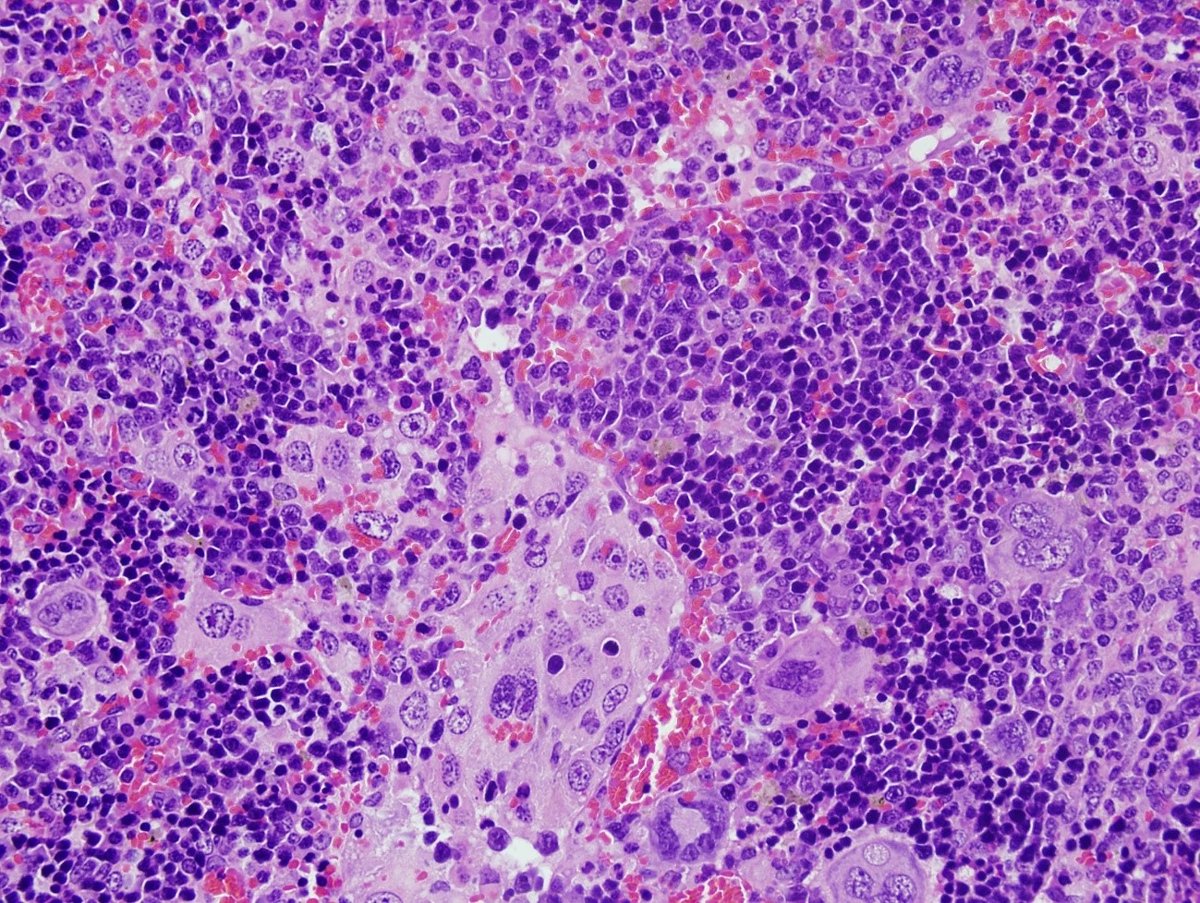
Berlin, Germany – In a significant shift in the understanding and treatment of follicular lymphoma, a new analysis of long-term data suggests that a substantial number of patients can now be considered cured following treatment with standard chemotherapy and immunotherapy regimens. The findings, published in JAMA Oncology, offer renewed hope for individuals diagnosed with this previously often-relapsing form of non-Hodgkin lymphoma. For decades, follicular lymphoma has been viewed as an incurable disease, with many patients experiencing recurrence even years after initial treatment. This research challenges that long-held belief, indicating that a durable remission – and potentially a cure – is achievable for a significant subset of patients.
The study, conducted by the SWOG Cancer Research Network, a US-based clinical trials group, analyzed data from patients treated with a combination of chemotherapy known as CHOP (cyclophosphamide, doxorubicin, vincristine, and prednisone) alongside immunotherapy. This combination, and variations of it, has been a mainstay of follicular lymphoma treatment for years. The analysis focused on patients who participated in a large clinical trial initiated in 2001, providing a remarkably long follow-up period – up to 15 years – to assess treatment outcomes. The implications of these findings are profound, potentially altering how clinicians discuss prognosis and treatment strategies with newly diagnosed patients.
A Paradigm Shift in Follicular Lymphoma Treatment
Follicular lymphoma is the most common type of indolent (leisurely-growing) non-Hodgkin lymphoma, accounting for approximately 20% of all cases, according to the Leukemia & Lymphoma Society. While not immediately life-threatening, it can develop into aggressive over time. Historically, treatment focused on managing the disease and prolonging remission, rather than aiming for a definitive cure. The new research, however, suggests that a curative approach is possible for a significant portion of patients.
The analysis revealed that approximately 70% of patients were still alive 15 years after beginning treatment. More importantly, a statistical modeling technique known as “cure modeling” estimated that 42% of the patients treated could be considered cured. Cure modeling, as explained by the researchers, incorporates mortality rates from the general population to estimate the proportion of patients who are unlikely to experience disease recurrence within their remaining lifespan. This approach acknowledges that some deaths will occur due to causes unrelated to the lymphoma itself.
– XOSÉ R. BUSTELO – Archivo
The SWOG S0016 Trial: A Foundation for New Understanding
The findings stem from the SWOG S0016 clinical trial, funded by the National Cancer Institute (NCI), part of the National Institutes of Health (NIH). This phase 3 trial, which began in 2001, enrolled 531 patients with advanced-stage, CD20-positive follicular lymphoma who had not yet received treatment. Patients were randomly assigned to one of two treatment arms: either rituximab in combination with CHOP (R-CHOP), or CHOP followed by radioimmunotherapy (CHOP-RIT). Rituximab is a monoclonal antibody that targets the CD20 protein found on lymphoma cells, enhancing the effectiveness of chemotherapy.
The analysis of 15.5 years of follow-up data revealed a significant decline in the rate of disease relapse over time. Initially, 6.8% of patients experienced relapse within the first five years. However, this rate dramatically decreased to just 0.6% between years 15 and 20. This sustained reduction in relapse rates is a key indicator of long-term disease control and supports the concept of a potential cure. Importantly, the study found no statistically significant differences in overall survival rates between the two treatment groups at 15 years, suggesting that both R-CHOP and CHOP-RIT are effective strategies.
Implications for Patient Care and Future Research
Dr. Jonathan W. Friedberg, director of the Wilmot Cancer Institute at the University of Rochester Medical Center and lead author of the study, emphasized the transformative nature of these findings. “This represents a paradigm shift in our understanding and approach to follicular lymphoma,” he stated. “It has broad implications for initial patient conversations and future research strategies.” The potential for cure offers a more optimistic outlook for patients and may influence treatment decisions, particularly for those who are suitable candidates for this standard chemotherapy and immunotherapy approach.
Dr. Mazyar Shadman, of the Fred Hutch Oncology Center, and first author of the article, added, “These results reinforce that first-line chemoimmunotherapy remains an key option, especially for appropriate patients, as it can provide long-term disease control after a limited duration of treatment.” He also highlighted the importance of these findings as a benchmark for evaluating new treatment strategies, stating that future approaches should aim to match or exceed the long-term remission and potential for cure observed with this established regimen.
The implications extend beyond treatment protocols. The possibility of a cure could significantly alter the follow-up care for patients with follicular lymphoma. Currently, many patients undergo indefinite oncologic and radiologic surveillance to monitor for recurrence. If a cure is achieved, this intensive monitoring may be reduced or eliminated, allowing patients to transition to routine primary care. This would not only improve quality of life but also reduce healthcare costs.
Ongoing Research and the Future of Follicular Lymphoma Treatment
While the SWOG S0016 trial provides compelling evidence of potential cures, research continues to refine and improve follicular lymphoma treatment. Scientists are exploring novel therapeutic strategies, including targeted therapies and immunotherapies, to further enhance remission rates and minimize treatment side effects. The development of glycoengineered anti-CD20 antibodies, for example, is showing promise in improving the effectiveness of immunotherapy. research into the underlying biological mechanisms of follicular lymphoma, such as the role of the VAV1 gene, may lead to the identification of new drug targets.
The findings from the SWOG S0016 trial represent a significant step forward in the fight against follicular lymphoma. By demonstrating the potential for cure with standard treatment regimens, this research offers hope and a more optimistic future for patients diagnosed with this challenging disease. Continued research and innovation will undoubtedly build upon these findings, leading to even more effective and personalized treatment approaches.
The National Cancer Institute is expected to release updated treatment guidelines based on these findings in the coming months. Patients with questions or concerns about follicular lymphoma are encouraged to discuss their individual cases with their healthcare providers. Further information and resources are available through the Leukemia & Lymphoma Society and the National Cancer Institute.
What are your thoughts on this promising development in follicular lymphoma treatment? Share your comments and questions below.
Related reading