
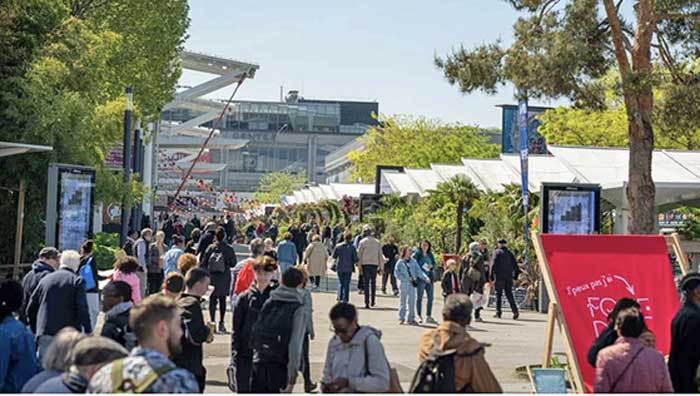
FONTABLENEA, France — The historic corridors of Fontainebleau are set to host more than just scholars and enthusiasts this week. From June 5 to June 7, the 15th edition of the Festival de l’histoire de l’art (Art History Festival) will convene in the heart of France, marking a significant moment where academic rigor meets international cultural diplomacy.
This year’s festival distinguishes itself through a strategic focus on the Maghreb, with Morocco serving as the guest of honor. While art history is often viewed through the lens of preservation and academic study, this edition underscores a broader trend: the use of cultural heritage as a primary instrument of “soft power” and a driver of the burgeoning global experience economy.
For the global business community and cultural stakeholders, the festival represents more than a series of lectures. It is a showcase of how nations leverage their aesthetic and historical legacies to strengthen bilateral ties and stimulate high-value cultural tourism. As Morocco takes center stage, the event highlights the country’s increasing influence in the international art market and its sophisticated approach to heritage management.
The Intersection of Heritage and Diplomacy
The choice of Fontainebleau as a venue is no coincidence. As a site of immense historical significance, often associated with the French monarchy and a crucible of artistic movements, the location provides a prestigious backdrop for discussions on the evolution of visual culture. However, the true narrative of this 15th edition lies in the partnership between French institutional expertise and Moroccan cultural identity.

In the realm of international relations, cultural diplomacy serves as a non-coercive tool to foster mutual understanding. By positioning Morocco as the guest of honor, the festival facilitates a high-level exchange of ideas that transcends simple exhibition. It allows for a nuanced dialogue regarding the shared Mediterranean history, the complexities of colonial legacies in art, and the contemporary renaissance of North African creativity.
From a macroeconomic perspective, such exchanges are vital. The integration of diverse cultural narratives into mainstream art history curricula and international exhibitions helps to diversify the “cultural product” offered by the West, opening new markets for collectors, curators, and tourism operators. The festival acts as a bridge, connecting the established European art establishment with the dynamic, rapidly growing art ecosystems of the Middle East, and Africa.
Morocco: A Rising Power in the Global Art Market
Morocco’s status as the guest of honor reflects its strategic positioning within the global art landscape. In recent years, the Kingdom has transitioned from being a mere subject of Orientalist fascination to a proactive leader in contemporary and classical art preservation. This shift is supported by significant state investment in museum infrastructure and a growing class of private collectors.
The “Moroccan brand” in the art world is characterized by a unique synthesis of traditional craftsmanship—such as intricate zellij tilework and fine textiles—and a cutting-edge contemporary scene that challenges traditional boundaries. For investors and institutions, the Moroccan market offers a compelling narrative of growth. The rise of institutions like the Mohammed VI Museum of Modern and Contemporary Art in Rabat signals a maturation of the sector, providing a structured environment for both academic study and commercial activity.
the festival’s focus on Moroccan art history arrives at a time when global collectors are increasingly looking toward “Global South” narratives to diversify their portfolios. The ability of Moroccan artists and historians to articulate their heritage within a globalized framework is a key component of the nation’s economic diversification strategy, moving beyond traditional sectors like agriculture and phosphates into the high-margin creative industries.
The Economic Engine of Cultural Tourism in France
The hosting of the Festival de l’histoire de l’art also serves as a micro-level case study in the economic impact of cultural events. For the Île-de-France region, and specifically the commune of Fontainebleau, such festivals are critical for sustaining the “experience economy.”
Cultural tourism is a high-yield sector. Unlike mass tourism, which often focuses on volume, cultural tourism attracts a demographic with higher discretionary spending—scholars, art professionals, and high-net-worth individuals. These visitors contribute significantly to the local economy through hospitality, fine dining, and specialized retail. The presence of an international delegation, including experts from Morocco and beyond, creates a multiplier effect that benefits local service providers and preserves the historic character of the region through increased tax revenues and funding for conservation.
the festival reinforces Fontainebleau’s brand as a premium destination. By aligning the town with high-level intellectual discourse, local authorities can ensure a steady stream of seasonal interest that extends the traditional tourism calendar, mitigating the risks of seasonality that many European heritage sites face.
Soft Power: Art as a Tool of International Relations
To understand the true significance of this festival, one must look through the lens of Joseph Nye’s concept of “soft power”—the ability to affect others through attraction rather than coercion. When a nation like Morocco hosts its culture in a prestigious European setting, it is engaging in a sophisticated form of brand management.
This engagement serves several strategic purposes:
- Image Enhancement: Showcasing the depth and complexity of Moroccan history counters simplified or reductive stereotypes.
- Economic Signaling: Demonstrating cultural sophistication signals stability and modernity to potential foreign investors.
- Educational Exchange: Building networks between Moroccan and European academics creates long-term intellectual capital that can influence future policy and trade relations.
In an era where geopolitical influence is increasingly measured by cultural footprint, the Festival de l’histoire de l’art provides a platform for Morocco to assert its place as a central actor in the global cultural dialogue. It is a clear demonstration that art is not merely a reflection of society, but an active participant in shaping the international order.
Key Takeaways for Cultural Stakeholders
| Stakeholder Group | Primary Interest | Strategic Opportunity |
|---|---|---|
| Investors/Collectors | Market Trends | Identifying emerging value in Moroccan contemporary and classical art. |
| Tourism Operators | Regional Development | Leveraging high-value cultural events to drive off-peak revenue. |
| Diplomats/Policy Makers | Soft Power | Utilizing cultural exchange to strengthen bilateral economic ties. |
| Academic Institutions | Knowledge Capital | Expanding the scope of art history to include more diverse, global narratives. |
As the festival concludes on June 7, the focus will likely shift to the long-term outcomes of these discussions. The success of such an event is not measured by the number of attendees, but by the strength of the connections forged and the new perspectives integrated into the global understanding of art history.
For those following the intersection of culture and commerce, the Fontainebleau festival serves as a reminder that the study of the past is a vital investment in the future of global relations and economic diversity.
Next Scheduled Milestone: Following the conclusion of the festival on June 7, official reports regarding the thematic findings and the collaborative outcomes between the French and Moroccan cultural delegations are expected to be released via official institutional channels in late summer.
What are your thoughts on the growing role of cultural diplomacy in global economics? Do you see art as a significant driver of modern soft power? Share your insights in the comments below and share this article with your network.
Keep reading