Food Poisoning Risks During Travel and Festivals: How to Stay Safe
Two Dutch sisters, aged 16 and 29, were recently hospitalized in Istanbul after falling severely ill during their vacation. While the exact cause of their illness remains under investigation, the incident has reignited concerns about foodborne illnesses—particularly during travel and large public events like festivals. Food poisoning can turn a dream vacation or celebration into a nightmare, but with the right precautions, many cases can be prevented.
Food safety experts warn that high-risk environments—such as street food markets, buffets and outdoor festivals—often lack the strict hygiene controls found in regulated restaurants. The Dutch Food and Consumer Product Safety Authority (NVWA) has repeatedly emphasized the importance of vigilance, especially during events like King’s Day in the Netherlands, where food vendors operate with limited oversight. “Let’s be clear: food poisoning is not just an inconvenience,” says Dr. Annelies van der Veen, a public health specialist at the National Institute for Public Health and the Environment (RIVM). “In severe cases, it can lead to dehydration, hospitalization, and even life-threatening complications.”
This article explores the most common causes of food poisoning, the risks associated with travel and festivals, and evidence-based strategies to protect yourself and your family.
Why Are Travel and Festivals High-Risk for Food Poisoning?
Food poisoning occurs when harmful bacteria, viruses, parasites, or toxins contaminate food or water. The most common culprits include Salmonella, E. Coli, Listeria, Campylobacter, and norovirus. These pathogens thrive in environments where food is improperly stored, handled, or cooked. Travel and large public events create ideal conditions for outbreaks due to:
- Inconsistent hygiene practices: Street vendors and temporary food stalls may lack access to running water, refrigeration, or proper waste disposal. A 2023 study by the European Centre for Disease Prevention and Control (ECDC) found that foodborne outbreaks at festivals were most commonly linked to poor hand hygiene among vendors and inadequate temperature control of perishable foods.
- Cross-contamination: Raw meats, poultry, and seafood can contaminate other foods if cutting boards, utensils, or hands are not properly cleaned. The NVWA has reported that cross-contamination is a leading cause of foodborne illness at Dutch festivals, particularly with grilled meats and salads.
- Undercooked or improperly stored food: Foods like chicken, pork, and eggs must be cooked to safe internal temperatures to kill pathogens. Buffets and street food stalls often struggle to maintain these temperatures, especially in warm weather. The World Health Organization (WHO) recommends that hot foods be kept above 60°C (140°F) and cold foods below 5°C (41°F) to prevent bacterial growth.
- Contaminated water or ice: In some countries, tap water or ice made from tap water may contain harmful bacteria or parasites. The U.S. Centers for Disease Control and Prevention (CDC) advises travelers to drink only bottled or boiled water in regions with questionable water quality.
Festivals and public celebrations add another layer of risk. During King’s Day in the Netherlands, for example, the NVWA typically deploys inspectors to monitor food safety at street markets. However, in 2025, budget cuts forced the agency to reduce its presence, leaving much of the responsibility for food safety in the hands of consumers. “Normally, we would have inspectors on-site to check hygiene practices, but this year, we’re asking the public to be extra cautious,” an NVWA spokesperson said in a statement shared on Instagram.
@nvwa on Instagram: “Let goed op bij het kopen van eten tijdens Koningsdag! 🍗🥗 Koop geen producten waar insecten, huisdieren of vuil in de buurt kunnen komen. Verhit kip of gehakt altijd boven de 75°C. #Voedselveiligheid #Koningsdag”
Recent Outbreaks: Lessons from the Netherlands and Beyond
The hospitalization of the two Dutch sisters in Istanbul is not an isolated incident. In May 2024, at least nine people fell ill with severe gastrointestinal symptoms after attending King’s Day celebrations in Berkel en Rodenrijs, a town in South Holland. The Dutch Food and Consumer Product Safety Authority (NVWA) and the Municipal Health Service (GGD) launched an investigation after receiving reports of diarrhea and vomiting among festivalgoers. While the exact cause of the outbreak was never publicly confirmed, the GGD noted that the illness appeared to be “highly contagious” and likely spread through contaminated food or water.

Similar incidents have occurred in other countries. In 2023, a food poisoning outbreak at a music festival in Germany sickened over 100 people, with Salmonella traced back to undercooked chicken served at a food stall. The incident led to stricter regulations for temporary food vendors in the state of Bavaria. Meanwhile, in the United States, the CDC reported a 12% increase in foodborne illness outbreaks linked to restaurants and catered events between 2017 and 2022, with norovirus and Salmonella being the most common causes.
These outbreaks highlight a critical gap in food safety oversight, particularly during large-scale events where vendors may operate outside of traditional regulatory frameworks. “The challenge is that many of these vendors are only open for a day or two, which makes it difficult to enforce long-term compliance,” explains Dr. Van der Veen. “That’s why consumer awareness is so important.”
How to Protect Yourself: Evidence-Based Strategies
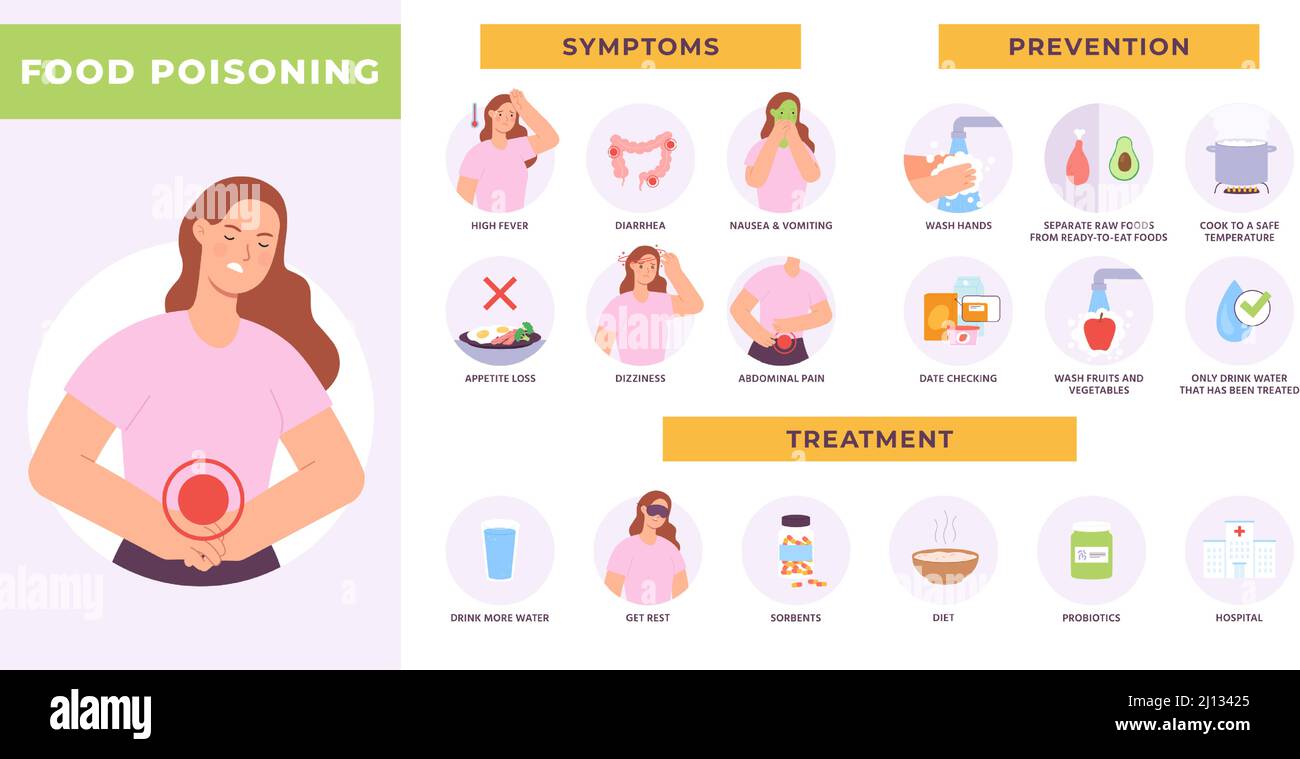
Food poisoning is preventable, but it requires proactive measures. Here are the most effective strategies to reduce your risk, whether you’re traveling abroad or attending a local festival:
1. Choose Food Vendors Wisely
- Glance for signs of cleanliness: Avoid stalls where food is exposed to flies, dust, or animals. The NVWA recommends choosing vendors who use gloves, hairnets, and clean utensils. If a stall appears dirty or disorganized, walk away.
- Prioritize hot, freshly cooked food: Foods that are cooked to order and served hot are less likely to harbor harmful bacteria. Avoid pre-cut fruits, raw salads, and foods that have been sitting at room temperature for extended periods.
- Beware of high-risk foods: Undercooked meats, poultry, seafood, and eggs are common sources of food poisoning. The WHO advises that poultry should be cooked to an internal temperature of 75°C (165°F) and ground meats to 71°C (160°F). If you’re unsure whether a food has been properly cooked, ask the vendor to reheat it.
2. Practice Safe Food Handling
- Wash your hands frequently: Hand hygiene is one of the most effective ways to prevent foodborne illness. Use soap and clean water, or an alcohol-based hand sanitizer if soap is unavailable. The CDC recommends washing hands for at least 20 seconds, especially before eating and after using the restroom.
- Avoid cross-contamination: If you’re handling raw meats or seafood, wash your hands and any surfaces or utensils that come into contact with the food. Never use the same plate or cutting board for raw and cooked foods.
- Store food safely: If you’re traveling, use a cooler with ice packs to keep perishable foods cold. The U.S. Department of Agriculture (USDA) recommends keeping cold foods below 4°C (40°F) and hot foods above 60°C (140°F).
3. Be Cautious with Water and Ice
- Drink bottled or boiled water: In countries with questionable water quality, stick to bottled water from reputable brands. Avoid ice in drinks, as it may be made from tap water. The CDC also advises against brushing your teeth with tap water in high-risk areas.
- Beware of raw foods washed with tap water: Fruits and vegetables that have been washed in contaminated water can carry harmful pathogens. Peel fruits yourself and avoid raw salads unless you’re certain they’ve been washed in safe water.
4. Recognize the Symptoms and Act Fast
Food poisoning symptoms can appear within hours or days of consuming contaminated food. Common signs include:
- Nausea and vomiting
- Diarrhea (sometimes bloody)
- Abdominal cramps
- Fever
- Headache and muscle aches
Most cases of food poisoning resolve on their own within a few days, but severe cases can lead to dehydration, which requires medical attention. Seek assist if you experience:
- Signs of dehydration (dizziness, dry mouth, dark urine, or reduced urination)
- High fever (above 38.5°C or 101.3°F)
- Blood in vomit or stool
- Symptoms lasting more than three days
If you suspect food poisoning while traveling, contact a local healthcare provider or your embassy for assistance. In the Netherlands, you can report suspected foodborne illness to the NVWA via their online reporting tool.
What to Do If You Get Sick Abroad
Falling ill in a foreign country can be frightening, but knowing how to respond can produce a big difference. Here’s what to do if you suspect food poisoning while traveling:
- Stay hydrated: Dehydration is the biggest risk with food poisoning. Drink small sips of water, oral rehydration solutions (like Pedialyte), or clear broths. Avoid caffeine, alcohol, and sugary drinks, as they can worsen dehydration.
- Rest and monitor symptoms: Most cases of food poisoning improve within 48 hours. Rest and avoid solid foods until vomiting subsides. Gradually reintroduce bland foods like rice, toast, or bananas.
- Seek medical help if symptoms worsen: If you experience severe dehydration, high fever, or bloody diarrhea, seek medical attention immediately. In some countries, food poisoning can be caused by parasites or toxins that require specific treatments.
- Report the incident: If you believe your illness was caused by a specific restaurant or food vendor, report it to local health authorities. This can help prevent others from getting sick. In the European Union, you can contact the Rapid Alert System for Food and Feed (RASFF) to report food safety concerns.
- Contact your embassy or consulate: If you’re hospitalized abroad, your embassy can provide a list of local doctors, help you communicate with healthcare providers, and assist with travel arrangements if needed.
Key Takeaways: How to Stay Safe
- Choose vendors carefully: Opt for stalls with good hygiene practices, and avoid foods that have been sitting out for long periods.
- Cook it, peel it, or forget it: When in doubt, choose foods that are cooked to order, served hot, or can be peeled. Avoid raw salads, pre-cut fruits, and undercooked meats.
- Wash your hands frequently: Hand hygiene is one of the most effective ways to prevent foodborne illness. Use soap and water or an alcohol-based sanitizer.
- Stay hydrated safely: Drink bottled or boiled water, and avoid ice in drinks unless you’re certain it’s made from safe water.
- Know the symptoms: Food poisoning can cause nausea, vomiting, diarrhea, and fever. Seek medical help if symptoms are severe or persistent.
- Report incidents: If you suspect food poisoning, report it to local health authorities to help prevent further outbreaks.
What’s Next?
The NVWA has stated that it will continue to monitor food safety at public events, despite budget constraints. In the meantime, the agency is urging consumers to take an active role in protecting themselves. “We can’t be everywhere at once, so we’re asking the public to be our eyes and ears,” an NVWA spokesperson said. “If you see something that doesn’t look right, don’t take the risk.”
For travelers, the best defense against food poisoning is preparation. Research your destination’s food safety risks before you go, pack a travel health kit with oral rehydration salts and hand sanitizer, and know how to seek medical help if needed. By taking these precautions, you can enjoy your vacation or festival without the fear of falling ill.
Have you ever experienced food poisoning while traveling or at a festival? Share your story in the comments below, and don’t forget to share this article with friends and family to help them stay safe.
Keep reading