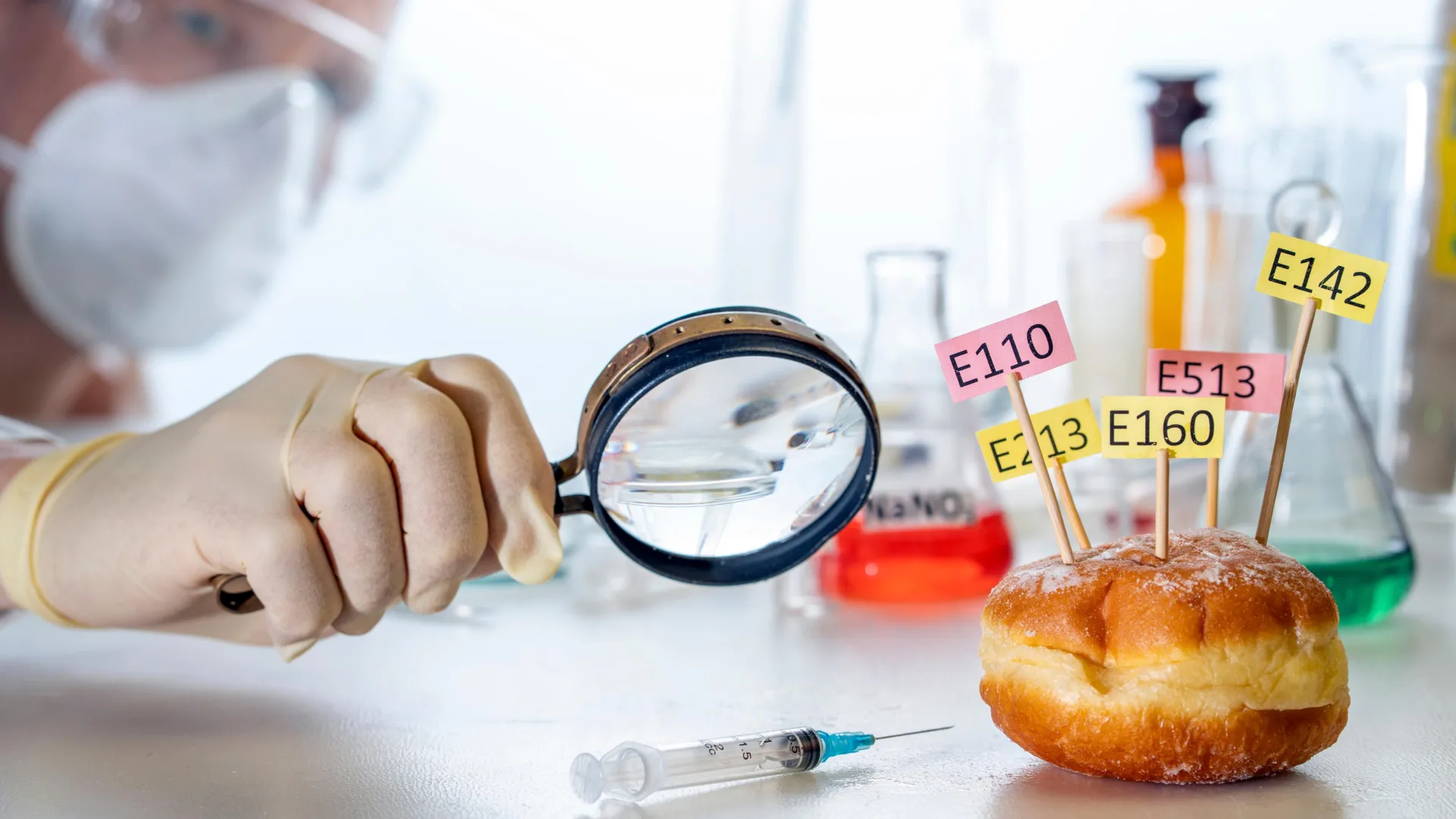
The ubiquitous presence of food preservatives in our modern diet is increasingly coming under scrutiny. A large-scale, long-term study conducted in France has revealed potential links between the consumption of certain food additives and an increased risk of developing cancer. Even as the findings don’t establish a definitive causal relationship, they raise crucial questions about the safety of these commonly used ingredients and whether current regulations adequately protect public health. This research, focusing on a cohort of over 105,000 individuals, adds to a growing body of evidence suggesting a necessitate for re-evaluation of food additive safety standards.
For decades, food preservatives have been employed to extend shelf life, reduce food waste, and maintain the palatability of processed foods. Still, laboratory studies have long indicated that some of these additives can inflict damage at the cellular level, potentially disrupting DNA and contributing to the development of cancerous cells. Until now, translating these laboratory observations into real-world evidence linking preservative intake to cancer incidence has proven challenging. The French study, leveraging detailed dietary data and long-term health tracking, represents a significant step towards bridging this gap. Understanding the potential risks associated with these additives is crucial, particularly as processed foods constitute a substantial portion of many people’s diets globally.
The study, published in February 2026, analyzed data collected between 2009 and 2023 from participants in the NutriNet-Santé cohort, a large French population-based study investigating the relationships between nutrition and health. Researchers meticulously tracked cancer diagnoses among participants, correlating them with detailed dietary records that specified not only the types of foods consumed but also the brands, allowing for a more precise assessment of preservative exposure. This level of granularity is a key strength of the research, enabling a more nuanced understanding of the potential impact of specific additives. The findings underscore the importance of ongoing research into the long-term health effects of food additives, particularly in light of evolving dietary habits and the increasing prevalence of processed foods.
A Deep Dive into the NutriNet-Santé Study
The NutriNet-Santé cohort comprised 105,260 individuals aged 15 years and older, with an average age of 42 years. Notably, 78.7% of the participants were women. All participants were cancer-free at the study’s inception and provided detailed 24-hour dietary records on multiple occasions over an average follow-up period of 7.5 years. This repeated data collection allowed researchers to account for changes in dietary habits over time, enhancing the accuracy of their assessments. Cancer diagnoses were confirmed through health questionnaires, official medical records, and death records, ensuring a comprehensive and reliable dataset. The study’s robust methodology and large sample size contribute to the credibility of its findings.
Researchers focused their analysis on 17 individual preservatives commonly found in processed foods, including citric acid, lecithins, total sulfites, ascorbic acid, sodium nitrite, potassium sorbate, sodium erythorbate, sodium ascorbate, potassium metabisulfite, and potassium nitrate. These preservatives were categorized into two main groups: non-antioxidants, which inhibit microbial growth and gradual down spoilage, and antioxidants, which protect food from deterioration by limiting oxygen exposure. This categorization allowed researchers to investigate whether different types of preservatives had varying effects on cancer risk. The comprehensive list of preservatives examined reflects the complexity of the food additive landscape and the need for a thorough investigation of potential health impacts.
Key Findings: Preservatives and Cancer Risk
During the follow-up period, 4,226 participants received a diagnosis of cancer. The types of cancer identified included 1,208 cases of breast cancer, 508 cases of prostate cancer, 352 cases of colorectal cancer, and 2,158 cases of other cancers. While the study found no overall link between the combined intake of all preservatives and cancer risk, significant associations emerged when examining individual preservatives. Eleven of the 17 preservatives studied showed no statistically significant association with cancer incidence, highlighting the complexity of the relationship between food additives and health outcomes.
However, higher intakes of several specific preservatives were linked to an increased risk of cancer, particularly among those classified as non-antioxidants. Potassium sorbate, a widely used preservative in processed foods, demonstrated a particularly strong association with both overall cancer risk and breast cancer risk. Specifically, individuals with higher intakes of total sorbates, especially potassium sorbate, had a 14% higher risk of developing overall cancer and a 26% higher risk of developing breast cancer. Total sulfites were also linked to a 12% increase in overall cancer risk. The BMJ published the original research detailing these findings.
Sodium nitrite, commonly used in cured meats, was associated with a 32% higher risk of prostate cancer, while potassium nitrate showed a 13% increased risk of overall cancer and a 22% higher risk of breast cancer. Total acetates and acetic acid alone were also linked to increased overall cancer risk. Among antioxidant preservatives, only total erythorbates and sodium erythorbate were associated with a higher incidence of cancer. These findings suggest that the specific chemical properties of different preservatives may play a role in their potential carcinogenic effects.
Biological Mechanisms and Future Research
The researchers hypothesize that several of the preservatives linked to increased cancer risk may exert their effects by influencing immune function and inflammation. These processes are known to play a critical role in cancer development, and disruption of these pathways could potentially contribute to the formation and progression of tumors. However, the authors emphasize that further research is needed to confirm these mechanisms and elucidate the precise biological pathways involved. The study acknowledges that it is observational in nature and cannot definitively prove that preservatives directly cause cancer, but rather demonstrates an association between exposure and risk.
The study’s limitations, as acknowledged by the authors, include the potential for unmeasured confounding factors that could have influenced the results. Despite these limitations, the large sample size, detailed dietary data, and long-term follow-up period strengthen the validity of the findings. The researchers also note that their results align with existing experimental research suggesting potential cancer-related effects for some of these compounds. This convergence of evidence underscores the need for continued investigation into the safety of food additives.
Implications for Consumers and Regulatory Bodies
The findings of this study have significant implications for both consumers and regulatory bodies. The researchers encourage food manufacturers to reduce the use of unnecessary preservatives and promote the consumption of freshly prepared, minimally processed foods. For consumers, the message is clear: prioritizing whole, unprocessed foods can help minimize exposure to potentially harmful additives. The European Food Safety Authority (EFSA) regularly reviews the safety of food additives, and these findings may prompt a re-evaluation of current acceptable daily intake levels. France’s ten-year cancer-control strategy also highlights the ongoing challenges in cancer prevention and early detection.
In a related editorial, researchers in the United States argue that while preservatives offer benefits such as extended shelf life and lower food costs, particularly for lower-income populations, the widespread and often poorly monitored use of these additives warrants a more balanced regulatory approach. They suggest that stricter limits on preservative use, clearer labeling requirements, and mandatory disclosure of additive content could help mitigate potential risks. International monitoring efforts, similar to those used for trans fatty acids and sodium, could also be implemented to ensure consistent safety standards across borders. A proactive and precautionary approach to food additive regulation is essential to protect public health.
Key Takeaways
- The study found associations between higher intakes of certain non-antioxidant preservatives – potassium sorbate, potassium metabisulfite, sodium nitrite, potassium nitrate, and acetic acid – and increased cancer risk.
- Potassium sorbate showed the strongest link, with a 14% higher risk of overall cancer and a 26% higher risk of breast cancer among high consumers.
- The research highlights the need for further investigation into the biological mechanisms by which these preservatives may contribute to cancer development.
- Consumers are advised to prioritize fresh, minimally processed foods to reduce exposure to potentially harmful additives.
- Regulatory bodies may need to re-evaluate current safety standards for food preservatives in light of these findings.
As research continues to unravel the complex relationship between food additives and health, staying informed and making conscious dietary choices remains paramount. The findings from the NutriNet-Santé study serve as a crucial reminder of the importance of ongoing vigilance and a commitment to safeguarding public health. Further studies are planned to investigate these findings in more detail and to explore the potential for mitigating the risks associated with food preservatives. We will continue to report on developments in this important area of research as they emerge.
What are your thoughts on this research? Share your comments below, and please share this article with your network to raise awareness about the potential risks associated with food preservatives.
Keep reading