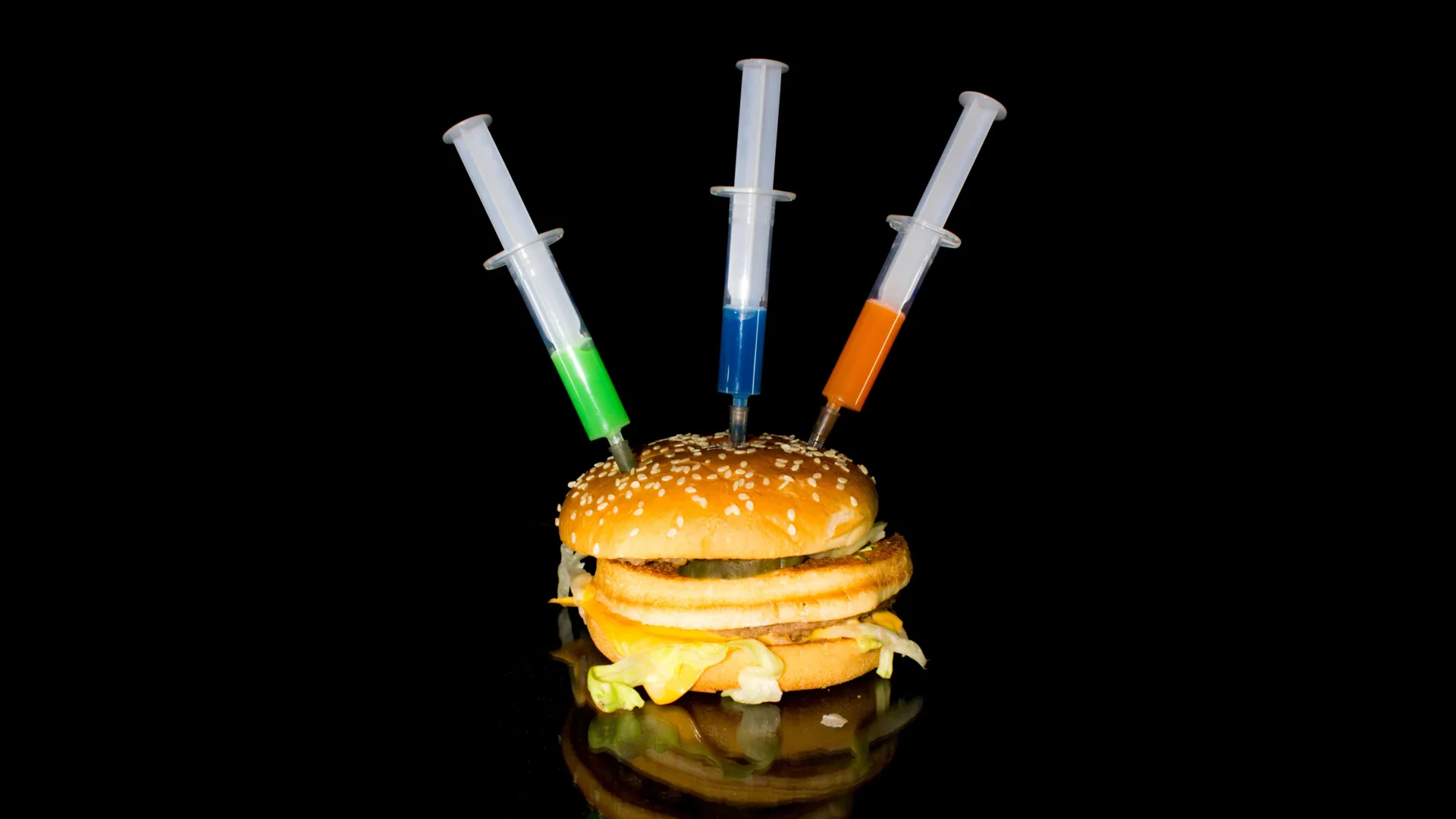
Are you concerned about the potential link between what you eat and your risk of developing type 2 diabetes? A groundbreaking new study reveals a possible connection between the consumption of food preservatives and an increased likelihood of this chronic condition.Preservatives, frequently added to processed foods and drinks to extend their shelf life, are now under scrutiny. This research, conducted by a collaborative team of scientists, analyzed data from over 100,000 adults, offering crucial insights into the impact of these common food additives on long-term health.
The Pervasive Presence of Food Preservatives
Food preservatives are a widespread component of the global food supply, falling under the broader umbrella of food additives. Consider this: in 2024, the Open Food Facts World database cataloged approximately 3.5 million food and beverage products, with over 700,000 containing at least one preservative. This highlights just how common these additives are in the foods you and your family consume daily.
understanding the Two Main Types
Researchers categorized preservative additives into two primary groups. Non-antioxidant preservatives work by inhibiting microbial growth or slowing down chemical reactions that cause spoilage. Conversely, antioxidant additives protect food by minimizing exposure to oxygen during packaging. You can typically identify these additives on ingredient labels using European codes: E200-E299 for preservatives and E300-E399 for antioxidant additives.
Did You no? The use of food preservatives dates back centuries, with early methods including salting, smoking, and pickling. modern preservatives, however, are often synthetically produced.
Why the Concern About Preservatives?
Previous laboratory studies have suggested that certain preservatives might negatively affect cells, damage DNA, and disrupt metabolic processes. Though, until recently, definitive evidence linking preservative intake to type 2 diabetes in large human populations was lacking. This new research aims to fill that gap, providing a more thorough understanding of the potential risks.
A Decade of Tracking Diet and Health
Led by Math
Keep reading