
Public Transport Concerns Rise in Bergen Following Norway National Football Match
Public transport users in the Bergen region face potential travel disruptions following the Norway national football team’s recent match due to a lack of extra departures from the regional transport provider, Skyss. Critics have warned that the absence of additional night services could lead to significant congestion and difficulty for fans attempting to travel home after the event concluded.
The concerns center on the decision by Skyss not to implement increased service frequencies or specialized late-night routes to accommodate the surge of passengers expected after the international fixture. Local reports indicate that the current transit schedule may not align with the high volume of commuters and supporters moving through the Vestland region during the late-night hours.
Why is Skyss facing criticism over match-day transport?
The criticism directed at Skyss stems from what observers describe as a lack of integrated planning between major sporting events and public infrastructure. While the match drew significant attention and a large crowd, the regional transport authority has maintained its standard operating schedule rather than deploying the extra capacity typically seen during high-profile international fixtures.
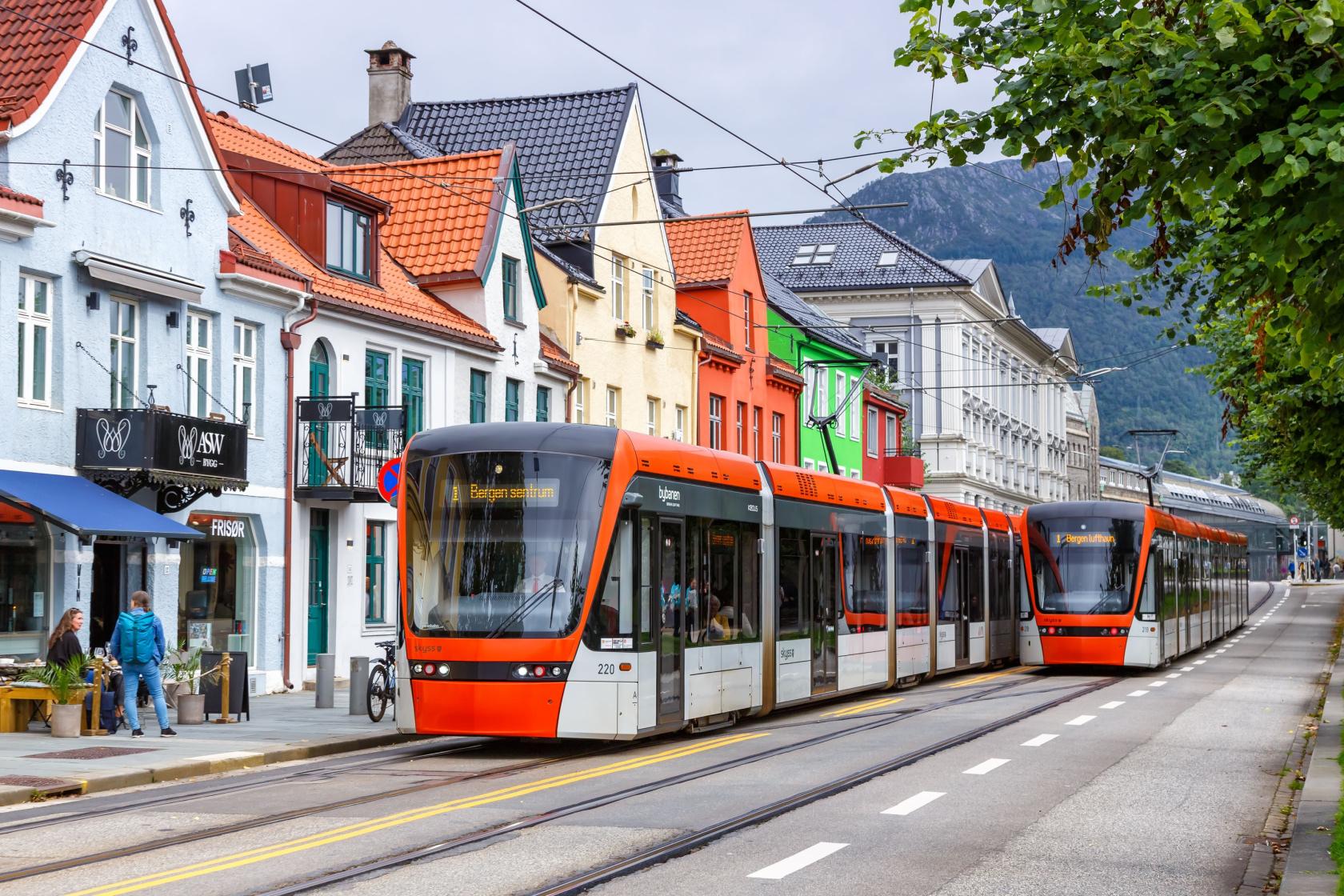
Critics have argued that the transport authority failed to view the event within its broader social and logistical context. Some local commentators have characterized the decision not to increase service levels as “irresponsible,” noting that the mismatch between event timing and transit availability creates unnecessary uncertainty for the public. The primary concern is that the existing fleet and schedule may be insufficient to handle the concentrated demand at the end of the match, potentially leaving travelers stranded or forced to seek alternative, more expensive transport methods.
What are the risks of “travel chaos” in the Bergen region?
The potential for what has been termed “travel chaos” involves several logistical challenges for the Bergen metropolitan area. Without the provision of extra buses or expanded light rail services, the following risks have been identified by local observers:
- Overcrowding: High concentrations of passengers attempting to use standard-capacity vehicles can lead to safety concerns and significant delays.
- Increased Wait Times: A lack of supplemental departures means that even if vehicles are available, the intervals between them may be too long for the volume of people waiting.
- Economic Impact: Commuters unable to utilize public transit may be forced to rely on private taxis or ride-sharing services, increasing individual travel costs.
- Safety and Security: Large groups of people waiting in transit hubs late at night without sufficient service can create complex management challenges for local authorities.
The uncertainty regarding how many people will be utilizing the network at once has added to the tension, as travelers are left to navigate the post-match period without guaranteed efficient transit options.
How does transport planning affect large-scale sporting events?
The tension between standard service scheduling and event-specific transport requirements is a common challenge in urban planning. For a major international match, such as those associated with the current football qualification cycles, the expected passenger load deviates significantly from a standard weekday or weekend night.
Effective event-based transport planning typically requires a coordinated effort between event organizers, local government, and transit providers like Skyss. In many major European cities, “event mode” scheduling is utilized, where transit authorities implement temporary increases in frequency on key routes connecting stadiums to residential hubs. This proactive approach is designed to mitigate the “surge effect”—the sudden, massive spike in demand that occurs immediately following the conclusion of a high-profile event.
When this coordination fails or is absent, the responsibility for managing the influx of people often falls back onto the individuals themselves, often at a higher cost or increased risk of delay. This disconnect highlights a growing debate in the Vestland region regarding the accountability of public service providers in supporting the city’s cultural and sporting infrastructure.
Key Details of the Transport Situation
| Issue Category | Reported Status | Primary Concern |
|---|---|---|
| Service Level | Standard scheduled departures only | Insufficient capacity for post-match surges |
| Provider Action | No extra night services deployed | Lack of proactive event-based planning |
| Regional Impact | High risk in Bergen/Vestland | Potential for overcrowding and “travel chaos” |
| Criticism Level | Significant local pushback | Described as “irresponsible” by critics |
As the situation develops, the focus remains on whether regional authorities will adjust their planning frameworks for future international matches to prevent similar disruptions. The ability of the public transport network to scale alongside the growing popularity of major sporting events remains a critical metric for the region’s infrastructure resilience.

The next scheduled checkpoint for this issue will be any official statements or formal reviews released by Skyss regarding their operational response to the match-day demand. We will continue to monitor updates from regional transport authorities and local government officials.
What are your experiences with public transport during major events in Bergen? Share your thoughts in the comments below and share this report with your network.
Keep reading