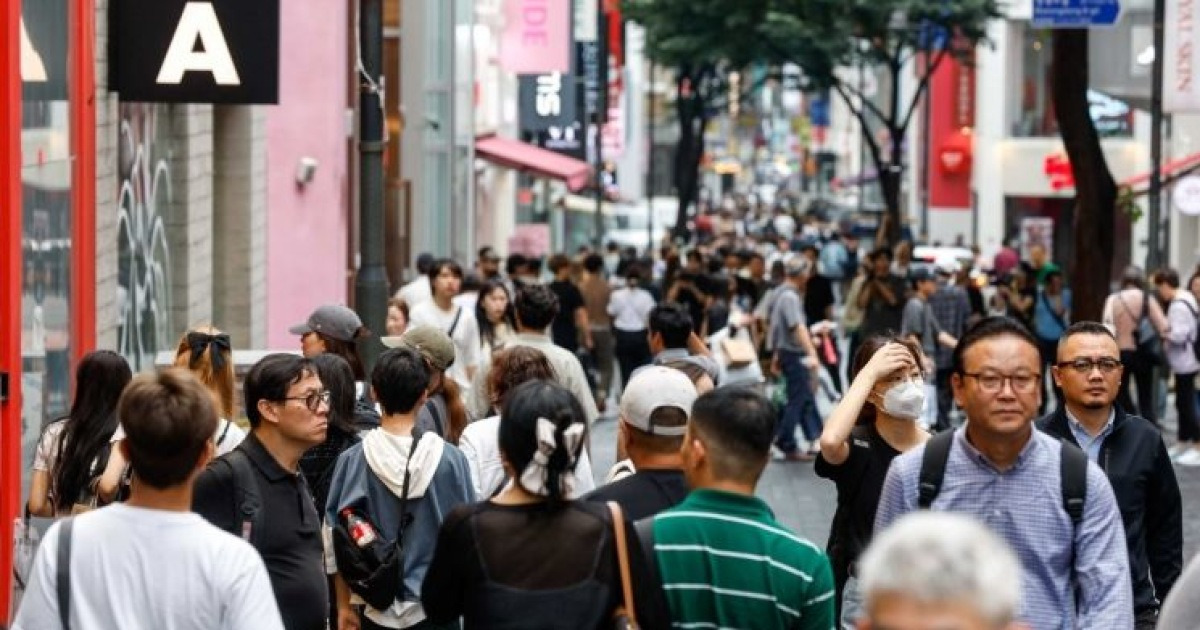
Foreign card spending by tourists in South Korea has exceeded 2 trillion won, driven by a 214% surge in expenditure from Chinese visitors. This spike in spending, concentrated in pharmacies, fashion retail, and limited-edition cultural merchandise, signals a significant shift in the economic impact of inbound tourism on the South Korean economy.
Recent financial data indicates that the influx of high-spending travelers is reshaping local retail patterns. While previous tourism booms were often characterized by large-scale group tours and bulk purchasing, current trends show a move toward individualized consumption. This shift is particularly evident in the rapid growth of spending within the beauty, fashion, and lifestyle sectors.
The surge in transaction volumes reflects a broader recovery in the South Korean travel sector. Following years of restricted movement, the return of Chinese travelers—historically the largest group of spenders in the country—has provided a substantial liquidity boost to urban commercial districts, particularly in Seoul.
What is driving the massive increase in foreign card spending?
The primary driver of the recent 2 trillion won spending milestone is the rapid return of Chinese tourists to South Korean metropolitan areas. According to recent transaction reports, Chinese visitor spending has increased by 214% compared to previous periods. This growth is not merely a recovery to pre-pandemic levels but represents a change in how international visitors interact with the Korean market.
Economic analysts note that the recovery is being fueled by a combination of eased travel restrictions and a growing interest in the “K-lifestyle.” Unlike the “daigou” shopping model of the past—where intermediaries bought large quantities of products for resale—current visitors are increasingly individual travelers. These “MZ generation” tourists (a term used in Korea to describe Millennials and Gen Z) prioritize personal experiences and immediate consumption over bulk inventory acquisition.
The Bank of Korea, which monitors national economic indicators, has previously noted how foreign exchange inflows through tourism can stabilize service-sector balances. The current surge in card transactions provides a real-time metric of this economic reintegration.
Why are Chinese tourists prioritizing pharmacies and fashion?
The data reveals that spending is no longer concentrated solely in traditional duty-free shops. Instead, a significant portion of the 2 trillion won is being directed toward specific high-growth niches:
- Pharmacies and K-Beauty: There is a notable increase in spending at local pharmacies and specialized skincare retailers. Visitors are increasingly seeking out specific Korean dermatological products and functional health supplements that are highly rated in social media trends.
- Fashion Retail: High-end domestic fashion brands and contemporary “streetwear” labels have seen a rise in sales. This is attributed to the global influence of Korean pop culture, which has turned Seoul into a fashion destination for young Asian travelers.
- Limited-Edition Goods: The demand for “limited edition” merchandise—ranging from K-pop idol collectibles to designer collaborations—has become a significant revenue stream. These items are often sought after as unique souvenirs that cannot be easily replicated elsewhere.
This diversification of spending suggests that the South Korean retail landscape is successfully pivoting to meet the demands of a more sophisticated, trend-conscious consumer base. The move from “buying for resale” to “buying for self-use” changes the velocity of money within local economies, as spending becomes more distributed across various urban districts rather than being confined to major shopping malls.
How does this trend impact South Korea’s retail economy?
The concentration of spending in pharmacies and fashion has direct implications for urban planning and small business development. Commercial districts in areas like Myeong-dong and Seongsu-dong are seeing a realignment of tenant profiles to cater to these specific spending habits. Small-scale boutiques and specialized health retailers are finding renewed viability due to the high volume of individual foreign transactions.
However, the reliance on a single demographic—Chinese tourists—remains a point of discussion for economic planners. While the 214% increase in Chinese spending provides a massive stimulus, economists often advocate for a more diversified tourist base to mitigate risks associated with geopolitical shifts or changes in Chinese domestic travel policies.
The impact is also being felt in the digital payment ecosystem. The high volume of foreign card transactions necessitates robust cross-border payment infrastructure, driving investment in fintech solutions that allow international travelers to use their domestic cards or mobile wallets seamlessly within Korean retail environments.
Comparison of Spending Trends
| Spending Category | Historical Trend (Group Tours) | Current Trend (Individual Travelers) |
|---|---|---|
| Primary Location | Large Duty-Free Stores | Local Pharmacies & Boutiques |
| Purchase Intent | Bulk Resale (Daigou) | Personal Lifestyle/Experience |
| Product Type | Cosmetics & Luxury Goods | K-Beauty, Fashion, & Merch |
Frequently Asked Questions
What does the 2 trillion won figure represent?
It represents the total volume of credit and debit card transactions made by foreign tourists within South Korea over a recent peak period, reflecting a substantial influx of foreign capital into the domestic service sector.
Why is Chinese spending growing so rapidly?
The 214% increase is attributed to the return of Chinese travelers following the lifting of pandemic-era travel restrictions and a heightened interest in Korean fashion and beauty trends among younger Chinese consumers.
Is this spending concentrated in one area?
While Seoul remains the primary hub, the spending is increasingly distributed across pharmacies, fashion districts, and specialized retail shops that cater to individual lifestyle needs rather than just large-scale duty-free outlets.
The next significant data release regarding South Korean tourism and foreign exchange inflows is expected from the Bank of Korea in the coming month. Analysts will be monitoring whether this high-velocity spending remains consistent as travel seasons transition.
What are your thoughts on the changing face of tourism in East Asia? Do you see this shift toward individualized “experience” spending as a permanent change? Let us know in the comments below and share this article with your network.