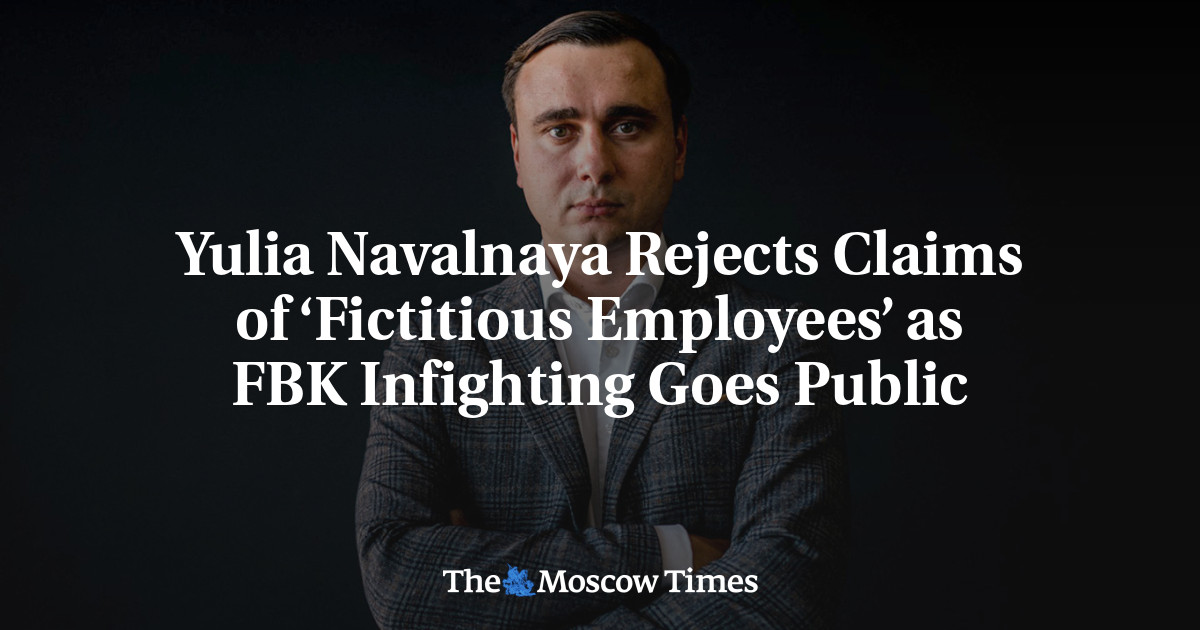
Yulia Navalnaya, the widow of the late Russian opposition leader Alexei Navalny, has publicly dismissed allegations of financial misconduct and administrative irregularities within the Anti-Corruption Foundation (FBK). The dispute, which has now spilled into the public eye, marks a significant moment of internal tension for the organization that served as the primary vehicle for her husband’s crusade against systemic corruption in Russia.
The conflict centers on accusations made by Ivan Zhdanov, who served as the CEO of the FBK from July 2022 until his removal from the position in September. Zhdanov has called for a comprehensive internal audit of the foundation, alleging that former chairman Leonid Volkov engaged in the hiring of “fictitious employees.” These claims suggest a misuse of organizational resources and a lack of transparency in the foundation’s payroll and staffing practices.
This public rupture occurs at a delicate time for the Russian opposition. The FBK, founded by Alexei Navalny in 2011, has long been the most visible challenger to the Kremlin’s authority, focusing on investigative journalism and the exposure of high-level government graft. Any perception of internal instability or financial impropriety could potentially undermine the organization’s credibility and the broader movement’s cohesion.
The escalating tension highlights the immense pressure facing the leadership of the movement following the death of its figurehead, as they navigate the challenges of maintaining operational security and organizational unity while operating largely from exile.
The Allegations: Fictitious Staff and Donor Risks
The current dispute was ignited by an interview in which Ivan Zhdanov detailed his grievances regarding the leadership’s conduct during his tenure as CEO. Beyond the claims of “fictitious employees,” Zhdanov alleged that the oversight provided by Leonid Volkov led to severe consequences for the foundation’s supporters.
Specifically, Zhdanov claimed that Volkov’s management of the organization’s financial infrastructure contributed to a series of criminal charges brought by Russian authorities against individuals who donated to the FBK. These donors reportedly used Stripe, a U.S.-based payment processing software, to facilitate their contributions. In the current Russian legal climate, such financial links to “undesirable” or “extremist” organizations—labels frequently applied by the Kremlin to opposition groups—can lead to immediate prosecution, and imprisonment.
Leonid Volkov has denied these claims, maintaining that the foundation’s operations were conducted with the necessary caution given the extreme risks associated with supporting opposition activities within Russia.
Navalnaya’s Response and the Removal of Zhdanov
Yulia Navalnaya responded to the allegations on Monday, expressing “shock” at the public nature of Zhdanov’s criticisms. In a statement posted to X, Navalnaya categorically denied the claims of financial impropriety, framing the accusations as fundamentally false.

“First off, it’s a lie,” Navalnaya wrote. She further argued that if such irregularities had occurred during Zhdanov’s time as CEO, the responsibility would have rested with him. “Second, if it were true, then Ivan, as CEO, should have borne full responsibility for it,” she added.
Navalnaya also provided context for Zhdanov’s departure from his leadership role last year. While she noted that he was not fired from the FBK entirely, she personally made the decision to remove him as CEO. She described the decision as the result of a documented history of performance issues and insubordination.
According to Navalnaya, her decision was based on “several pages of specific grievances,” which included a perceived loss of interest in his official duties in favor of personal projects, as well as a consistent pattern of ignoring instructions and management decisions. She asserted that it had become obvious that Zhdanov was indifferent to the operational health of the organization he was tasked with leading.
Internal Audits and the Climate of Dissent
To address the claims of financial mismanagement, Navalnaya stated that the FBK conducted an internal audit following Zhdanov’s removal. According to her account, the results of this audit revealed no wrongdoing and found no evidence to support the accusations leveled against Volkov regarding fictitious staff.
The clash between Navalnaya and Zhdanov is not an isolated incident of friction. The controversy follows reports from other former staff members who have accused the senior leadership of the FBK of suppressing internal dissent and maintaining an overly rigid hierarchy. These reports suggest a growing divide between the foundation’s strategic leadership and some of its operational staff.
For the global community monitoring the Russian opposition, these developments raise questions about the sustainability of the FBK’s current structure. The foundation must balance the need for strict security and centralized command—essential for surviving the Kremlin’s crackdown—with the need for internal accountability and transparency to maintain the trust of its international donors and domestic supporters.
Key Context: The FBK’s Role in Russian Politics
The Anti-Corruption Foundation (FBK) has historically functioned as both a political organization and an investigative agency. Under Alexei Navalny, it pioneered a model of “digital activism,” using high-production documentaries to expose the luxury lifestyles of Russian officials, which in turn mobilized millions of citizens. Because the Russian government has designated the organization as extremist, its members face constant legal peril, and its leadership is forced to operate from abroad, adding layers of complexity to its administration and internal communication.
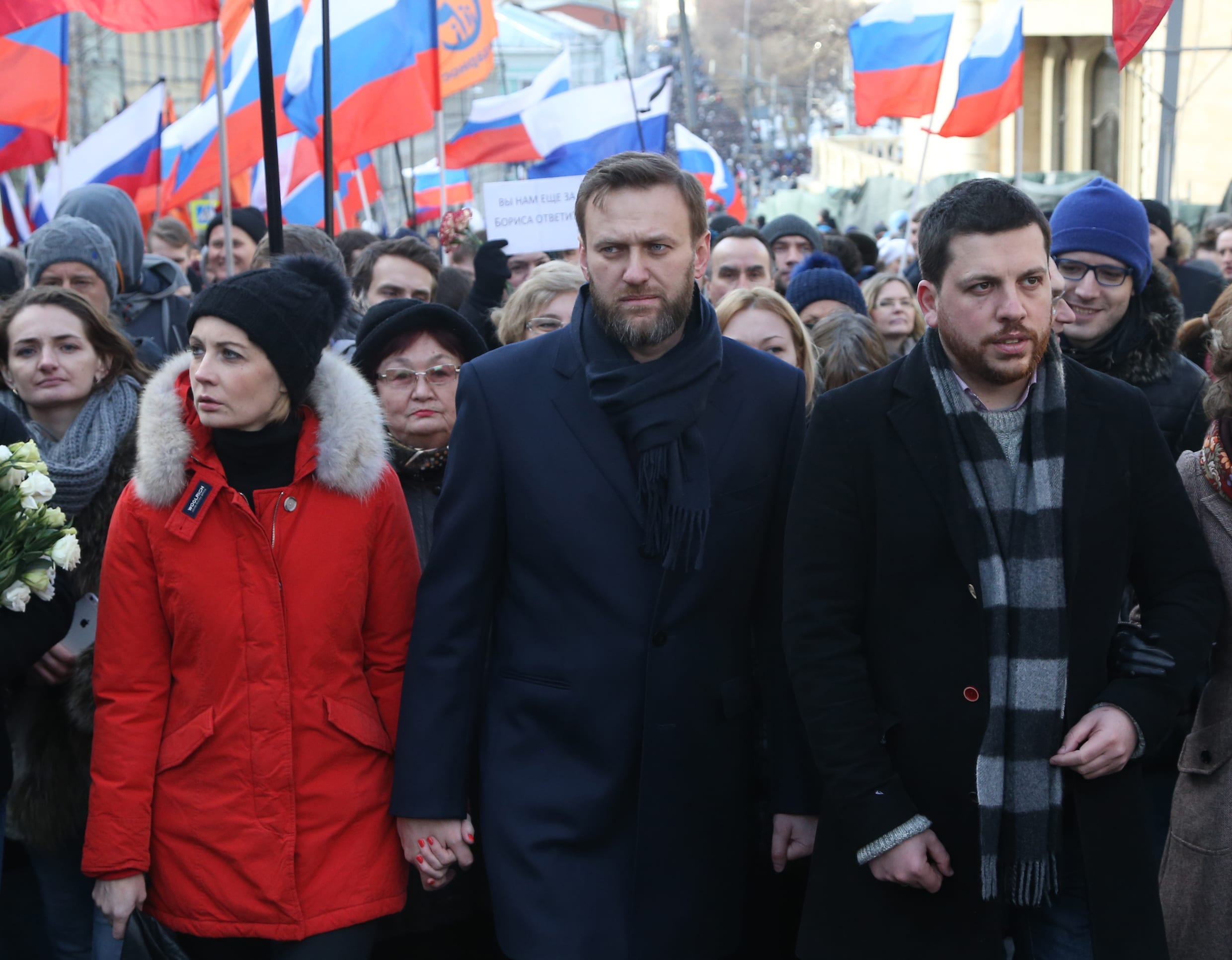
The use of international payment processors like Stripe, mentioned in Zhdanov’s allegations, is a common necessity for exiled organizations but creates a “digital trail” that Russian security services (FSB) frequently exploit to target donors inside the country.
As the FBK continues to navigate this period of transition, the resolution of these internal disputes will be critical in determining whether the movement can remain a unified force or if it will fragment into competing factions.
The world will be watching for further official statements from the FBK leadership or the release of audit summaries as the organization attempts to stabilize its public image and internal operations.
Join the conversation: How do you think internal leadership disputes affect the efficacy of opposition movements in authoritarian regimes? Share your thoughts in the comments below.
Related reading