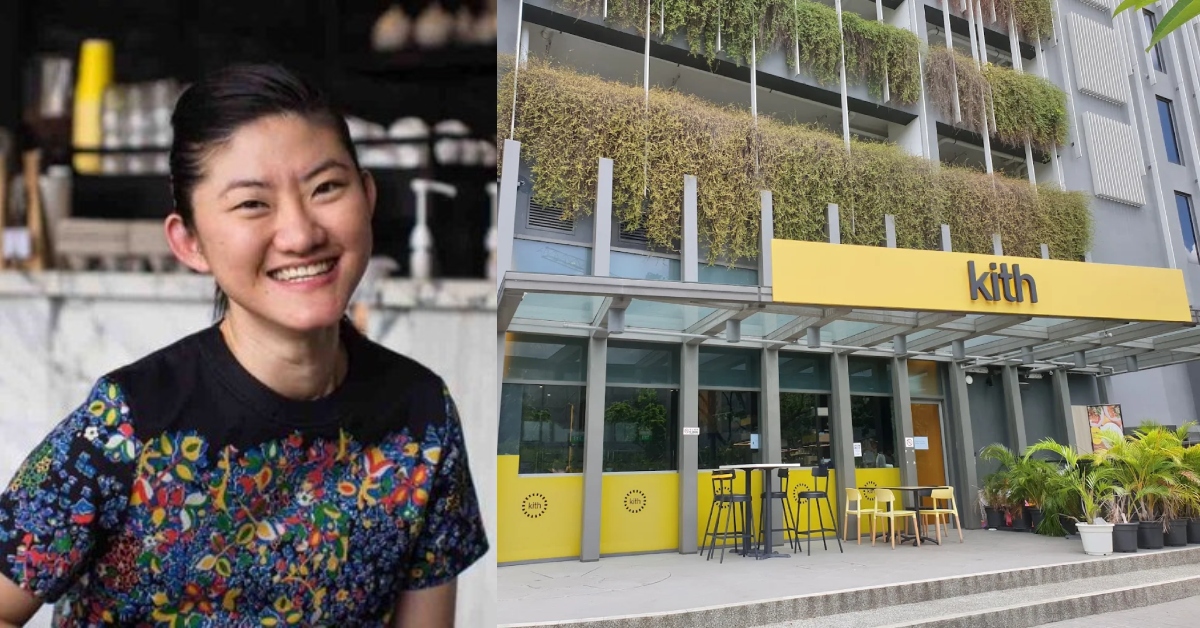
After expanding to 12 outlets across Singapore and closing them all, founder Jane Hia is now advising struggling food and beverage operators. The shift highlights a broader industry recalibration toward lean, sustainable operations amid soaring costs and shifting consumer spending.
Seventeen years after launching a small coffee joint along Robertson Quay, Jane Hia spent years building the café chain Kith Café into a familiar name in Singapore. That growth peaked at 12 locations by 2023, supported by a staff of more than 80 full-time workers and roughly 100 part-timers. But as post-pandemic economic pressures mounted—including soaring manpower expenses, climbing ingredient prices, and softer consumer spending—the business began scaling back. The final two cafés at Marina Square and New Bahru ceased operations earlier this year, leaving a shrunken footprint.
Shrinking Footprint and Franchise Challenges at West Coast
The contraction of the brand played out across multiple locations over recent months. The Millenia Walk branch closed in October 2025, followed by the West Coast outlet on Jan 5, according to local reporting. Franchisee Andy Lim, a former Republic of Singapore Air Force regular who invested $140,000 of his own savings to take over the West Coast franchise without prior business experience, faced steep hurdles.
In a social media post in July 2025, Lim stated that he had lost between S$70,000 and S$90,000 during his first year of operation. Although the West Coast branch gained traction and turned a profit between September and December 2025, Lim ultimately opted to terminate the franchise for personal reasons to pursue a new venture that aligns with my faith
.
While Kith’s Instagram account lists four locations, the Punggol branch has closed permanently, and operations at the Spottiswoode outlet in Tanjong Pagar are currently paused due to a lull in foot traffic. The remaining active stores at Marina Square and New Bahru operate as collaborations with edutainment children’s park brand Kiztopia.
A Broader Recalibration Across Singapore’s F&B Sector
The difficulties facing Kith mirror wider economic pressures across Singapore’s dining industry. Jeremy Sim, deputy director of Temasek Polytechnic’s School of Business, observed that the current climate is forcing a structural shift rather than wiping out homegrown concepts entirely.
Sim noted that trying to maintain both massive scale and artisanal positioning has become unsustainable in the current cost environment. Operators must choose between running tightly run, high-margin artisanal businesses or expanding decisively into highly efficient chains.
Reflecting on the grueling operating environment, Hia noted last year that conditions had surpassed the difficulties of the pandemic era. This era for cafes is harder than during Covid-19,
she said in an August 2025 report in The Business Times. It’s not enough to be trendy or Instagrammable. You have to move fast and keep evolving.
Jane Hia Translates 17 Years of Experience Into Advisory Work
Rather than leaving the industry, Hia is channeling her operational background into advising other struggling F&B businesses. Industry contacts have begun referring restaurant owners to her for guidance on renovations, staffing, procurement, and payment systems.
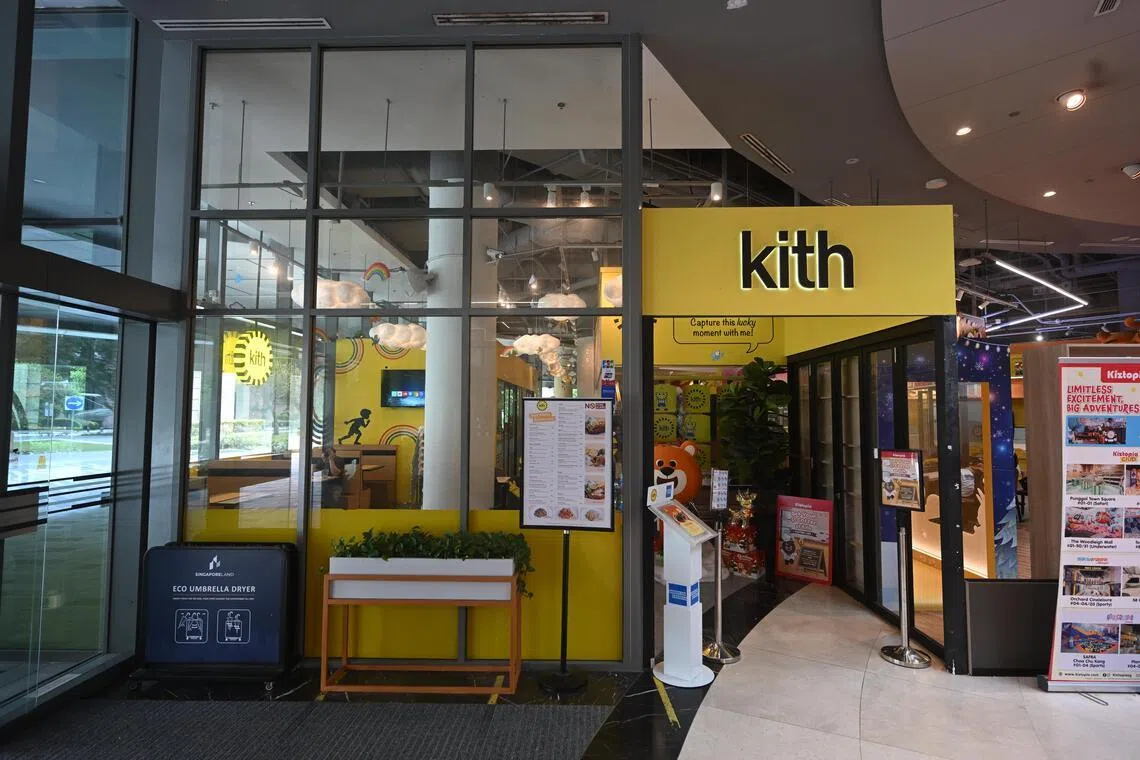
Earlier this year, a cruise ship owner engaged her to set up an onboard restaurant, café, and KTV lounge. For other clients, she has intervened by restructuring leases, moving operations to larger yet cheaper premises, and optimizing manpower scheduling. Tapping into a long-standing network of landlords, suppliers, and property agents, she negotiates better commercial terms for operators who find themselves overwhelmed by the day-to-day administrative burdens.
“All this seems kind of logical,” she said. “But some people are just overwhelmed.”
Jane Hia
Alongside advisory work, Hia previously outlined plans to expand the business-to-business side of the Kith brand by increasing cookie production for corporate and large-scale events, ensuring the homegrown name persists even as its traditional storefront model undergoes a permanent transformation.
Related reading