“`html
France’s 2026 Budget Adopted Amidst Political Turmoil
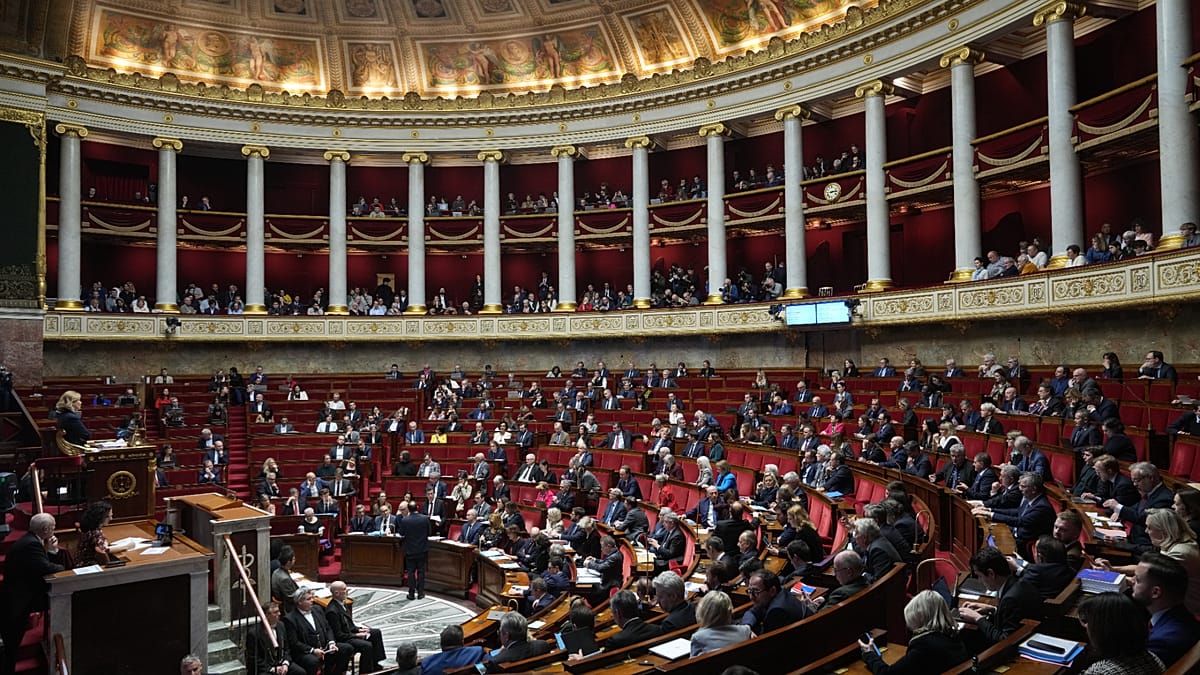
France’s 2026 state budget was definitively adopted on Monday, February 2nd, 2026, following the rejection of two motions of no confidence in parliament. The adoption occurred after Prime Minister Sébastien Lecornu invoked Article 49.3 of the French constitution, allowing the government to pass legislation without a parliamentary vote. This move underscores the ongoing political challenges facing President Emmanuel Macron’s government.
Use of Article 49.3 and No-Confidence Motions
Article 49.3 of the French constitution allows the government to bypass a parliamentary vote on a bill, effectively forcing its passage unless a motion of no confidence is successful. Two motions of no confidence were brought forward: one by the far-right National rally and another by left-wing parties, excluding the Socialist Party. Both motions failed, automatically enacting the budget.The French Constitution details the powers and limitations of this article.
A Budget Born of Compromise
Prime Minister Lecornu emphasized that the approved budget is a product of compromise,incorporating amendments from various parliamentary groups.He stated his intention to submit the budget to the Constitutional Council to ensure its compliance with the nation’s constitution. The French Government website provides further details on the budget process and the role of the constitutional Council.
Political Context: A Hung Parliament
The current political landscape is a direct result of the snap legislative elections held in 2024, which resulted in a hung parliament. This lack of a stable majority has made it exceedingly tough to achieve consensus on key policy issues, particularly regarding public finances. The budget impasse has already led to the resignation of two previous prime ministers. Reuters provides background on the political instability in France.
Key Budgetary Measures and Concerns
The 2026 budget aims to reduce the public deficit to 5% of GDP, down from 5.4% in 2025.To achieve this,the government plans to increase taxes on businesses,particularly through an additional levy on large corporate profits,expected to generate over €7 billion in revenue. The overall state deficit is projected to be around €132 billion, remaining largely unchanged from the previous year.
criticism from Within the Government
Despite its adoption, the budget has faced criticism even from within President Macron’s own political camp. Agnès Pannier-Runacher, a lawmaker from Macron’s Renaissance party, expressed concerns that the budget does not adequately prepare France for the future and warned that increased taxes could negatively impact economic activity, potentially leading to hiring freezes. Le Monde often provides in-depth analysis of French political and economic issues.