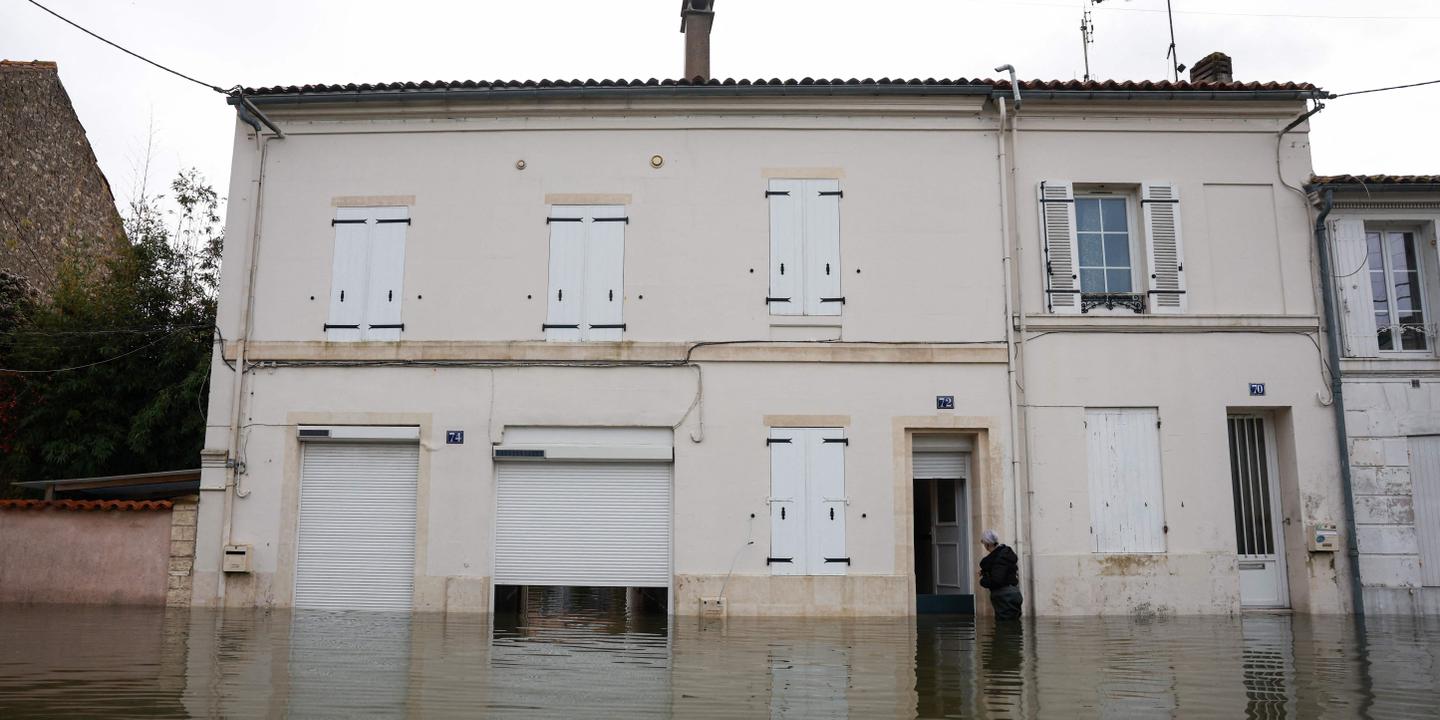
Saintes, France – Extensive flooding continues to grip parts of western France, with four departments remaining under red alert for severe flooding as of Wednesday, February 18, 2026. The Charente-Maritime, Maine-et-Loire, Gironde and Lot-et-Garonne regions are experiencing significant disruptions as rivers swell beyond their banks, impacting homes, infrastructure, and daily life. The situation is particularly acute in the city of Saintes, where a substantial portion of the town center is submerged, and authorities are bracing for water levels to potentially surpass those recorded during the historic 1982 floods.
The ongoing crisis is a result of sustained rainfall combined with high tides, exacerbating the risk of overflowing rivers and coastal inundation. The French government has mobilized resources to assist affected communities, and officials are urging residents to heed evacuation orders and exercise extreme caution. The scale of the flooding has prompted comparisons to previous major events, highlighting the increasing vulnerability of these regions to extreme weather events. This latest episode underscores the growing challenges posed by climate change and the necessitate for enhanced flood defenses and preparedness measures.
French Minister for Ecological Transition, Mathieu Lefèvre, visited Saintes on Wednesday to assess the damage firsthand. Traveling by boat through the flooded streets, Lefèvre acknowledged the exceptional nature of the crisis, stating, “We are dealing with a phenomenon of exceptional magnitude.” Footage from the visit shows the extent of the devastation, with water levels reaching 1.40 meters (approximately 4.6 feet) in some areas. Lefèvre also noted that the flood alert has been active for 33 consecutive days, and the situation is expected to persist. The minister’s presence signals the government’s commitment to addressing the immediate needs of those affected and coordinating long-term recovery efforts.
Widespread Disruption and Evacuations
In Saintes, more than 2,000 homes have been impacted by the flooding, with roughly half of those inundated with water. Residents are grappling with the daunting task of salvaging belongings and assessing the damage to their properties. One resident, returning to her home for the first time since being evacuated, described the scene as heartbreaking, stating, “There are no words… Twenty centimeters today, and it’s not finished… I don’t know how I’m going to cope.” Franceinfo’s reporting details the emotional toll on residents as they confront the devastation.
More than 300 people have been urgently evacuated from Saintes, and temporary shelters have been established to accommodate those displaced by the floods. Local authorities are working to provide essential supplies and support to evacuees, but the scale of the crisis is straining resources. The situation is further complicated by the ongoing threat of rising water levels, as the peak of the flood is not yet expected to be reached. The Charente-Maritime prefecture has issued detailed guidance for residents, including information on evacuation routes, emergency contacts, and safety precautions.
Beyond Saintes, the impact of the flooding is being felt across the affected regions. In Angers, the Maine River is predicted to exceed the flood level recorded in 2000. The municipality has prepared two gymnasiums to serve as emergency shelters, and the Pont de Verdun bridge has been closed to vehicular traffic as the river rises perilously close to its lowest arch. Local authorities have also canceled markets and other events planned along the banks of the Garonne River, and crèches and parks have been closed as a precautionary measure. These proactive steps demonstrate the commitment of local governments to prioritize public safety in the face of the escalating crisis.
Search and Rescue Efforts and Weather Forecast
The situation is further complicated by a missing person report in Maine-et-Loire. A man disappeared on Tuesday evening after his canoe capsized, prompting a search and rescue operation. Emergency services are working diligently to locate the individual, but the challenging weather conditions and high water levels are hindering their efforts. The incident serves as a stark reminder of the dangers associated with floodwaters and the importance of adhering to safety guidelines.
Adding to the concerns, a new storm, named Pedro, is expected to bring further rainfall to the region on Thursday. Combined with high tides, this additional precipitation is likely to exacerbate the flooding and disrupt the drainage of water towards the sea. Vigicrues, the French national flood forecasting service, has warned of major overflows expected during the next high tides, particularly in the areas where the Garonne and Dordogne rivers converge, including Bordeaux and Libourne. France24 reports that these areas are particularly vulnerable to further flooding.
Government Response and Disaster Relief
The French government has announced plans to recognize the current situation as a natural disaster, which will facilitate access to insurance claims for affected residents. Minister Delegate for Industry, Sébastien Martin, stated on Wednesday that the necessary decrees will be issued “in the coming days” to expedite the insurance process. This move is intended to provide financial relief to homeowners and businesses struggling to cope with the economic consequences of the flooding. The government is also coordinating with local authorities to assess the full extent of the damage and develop a comprehensive recovery plan.
The declaration of a natural disaster will trigger a range of support measures, including financial assistance for repairs, tax relief, and access to low-interest loans. Insurance companies are expected to prioritize claims from affected areas and expedite the processing of payments. Though, navigating the insurance process can be complex, and residents are encouraged to seek guidance from local authorities and consumer protection agencies. The government is also exploring options for providing additional assistance to those who are underinsured or unable to access insurance coverage.
Key Takeaways
- Severe Flooding: Four departments in western France – Charente-Maritime, Maine-et-Loire, Gironde, and Lot-et-Garonne – remain on red alert due to widespread flooding.
- Saintes Impacted: The city of Saintes is particularly hard-hit, with over 2,000 homes affected and more than 300 people evacuated.
- Storm Pedro: The arrival of Storm Pedro is expected to worsen the situation, bringing additional rainfall and high tides.
- Government Aid: The French government has announced plans to declare a natural disaster to facilitate insurance claims and provide financial assistance.
The situation remains fluid, and authorities are closely monitoring water levels and weather forecasts. The next official update from Vigicrues is scheduled for Thursday evening, February 19, 2026, and will provide the latest projections for river levels and potential flood risks. Residents in the affected areas are urged to stay informed, follow the guidance of local authorities, and prioritize their safety. We encourage readers to share this information with those who may be impacted and to contribute to the ongoing discussion in the comments section below.
Keep reading