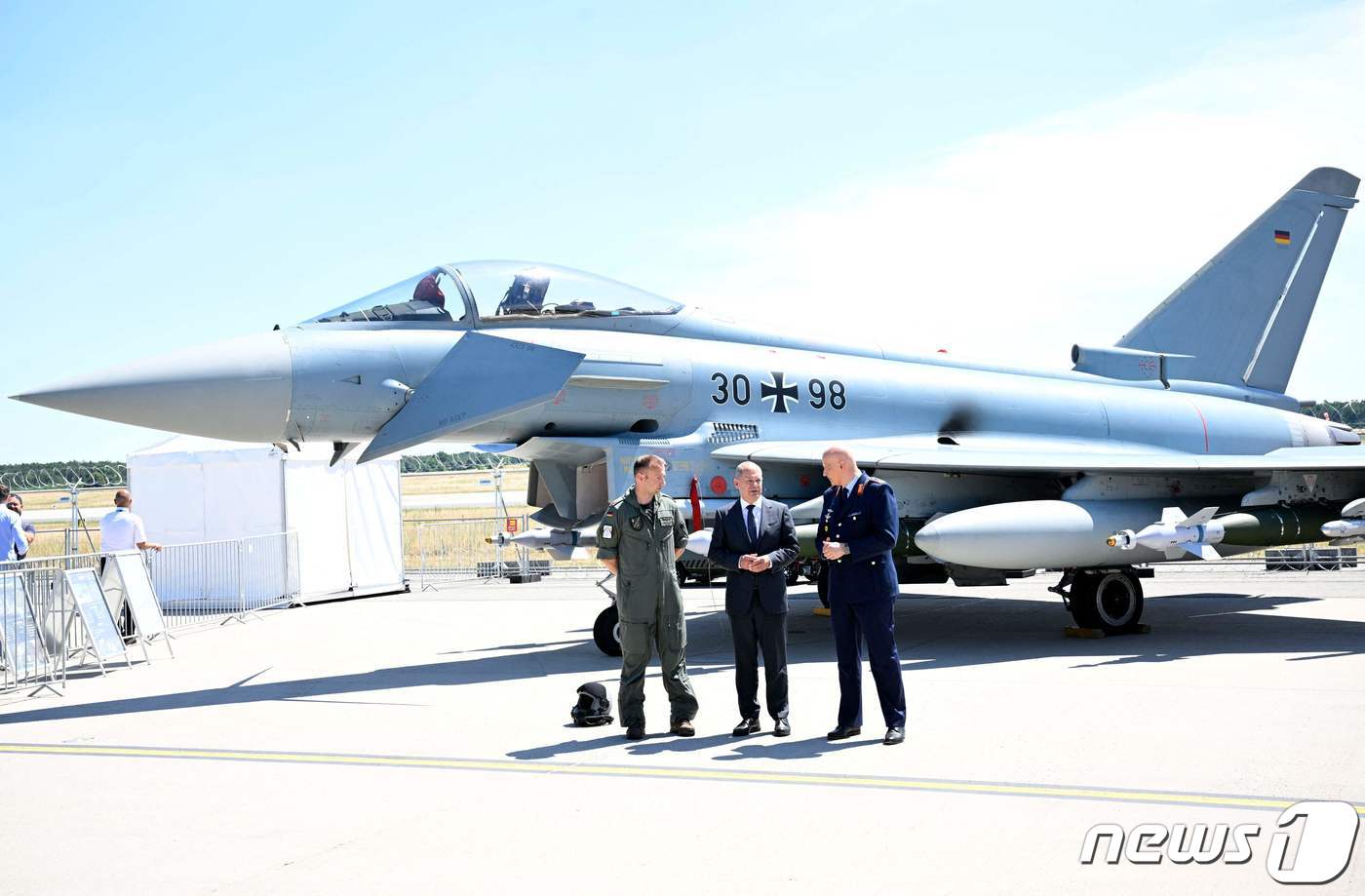
The Future Combat Air System (FCAS), a trilateral defense project involving France, Germany, and Spain, faces significant turbulence as disagreements among participating industrial partners have stalled progress. Designed to be a centerpiece of European strategic autonomy in aerospace, the program aims to develop a next-generation fighter jet intended to replace current fleets, including the French Rafale and the Eurofighter Typhoon. However, the collaborative effort has encountered friction regarding work-sharing arrangements and intellectual property rights, complicating the ambitious timeline for the sixth-generation aircraft.
At the heart of the impasse are the industrial heavyweights tasked with bringing the vision to life. The project requires delicate coordination between major aerospace entities, including Dassault Aviation, Airbus, and Indra, to integrate distinct national requirements into a unified combat platform. As of June 2026, the project remains under intense scrutiny as government officials from the three nations attempt to mediate the operational and technical disputes that have hindered the development of the demonstrator aircraft.
Understanding the FCAS Defense Framework
The Future Combat Air System is more than a single fighter jet; it is a complex ecosystem of manned and unmanned aerial systems, cloud computing, and advanced sensor technology. The program represents a high-stakes effort to reduce European reliance on non-European military technology, specifically systems manufactured in the United States. According to official government documentation, the development of such sovereign capabilities is a pillar of the European Union’s broader security strategy, aimed at ensuring that member states retain control over their strategic military assets.

The project’s structure is built upon a pillar-based approach, where different companies lead specific technological segments. This division of labor is intended to ensure that each participating nation—France, Germany, and Spain—maintains a fair industrial return on their investment. However, maintaining this balance has proven difficult. The complexity of integrating sensitive, high-end defense technology across borders requires a level of industrial cooperation that, according to recent analysis from the European Parliament’s research service, remains a significant challenge for multinational defense procurement.
Industrial Friction and Strategic Autonomy
The primary source of the recent friction stems from disagreements over work-sharing and the leadership of specific development pillars. For companies like Dassault Aviation, preserving the design authority and technical integrity of the core aircraft is a priority, while other partners have pushed for a more equitable distribution of high-value tasks. These industrial disputes have prompted recurring interventions from defense ministers in Paris, Berlin, and Madrid, who are tasked with aligning their national industrial bases with the project’s long-term operational goals.

Despite the current impasse, the three nations remain committed to the concept of a shared European air combat capability. The project is seen as vital for the modernization of the French, German, and Spanish air forces, which must prepare for threats evolving well into the 2030s and 2040s. The European Defence Agency continues to monitor the progress of such collaborative programs, emphasizing that multinational cooperation is essential for managing the rising costs of research and development in the aerospace sector.
What Happens Next for European Aerospace
Observers are closely watching for the next official meeting between the defense ministers of France, Germany, and Spain. These meetings serve as the primary mechanism for resolving the high-level industrial disputes that the participating corporations have been unable to settle independently. Any breakthrough in the current standoff will likely depend on a new memorandum of understanding or a revised industrial agreement that satisfies the stakeholders’ requirements for both technological sovereignty and fair economic return.

For the citizens and taxpayers of the participating nations, the project represents a significant financial commitment. The ability of the three governments to overcome these internal divisions will determine whether the FCAS reaches the production phase or remains a conceptual framework. Updates regarding the project’s milestones are typically released through the official ministerial portals of the French Ministry of the Armed Forces and the German Federal Ministry of Defence, which remain the authoritative sources for the project’s future trajectory.
We invite our readers to share their perspectives on the future of European defense integration in the comments section below. As this situation develops, we will continue to monitor official government announcements to provide the most accurate updates on the status of this critical defense initiative.