France to Construct Next-Generation Aircraft Carrier: A Deep Dive into Maritime Power Projection
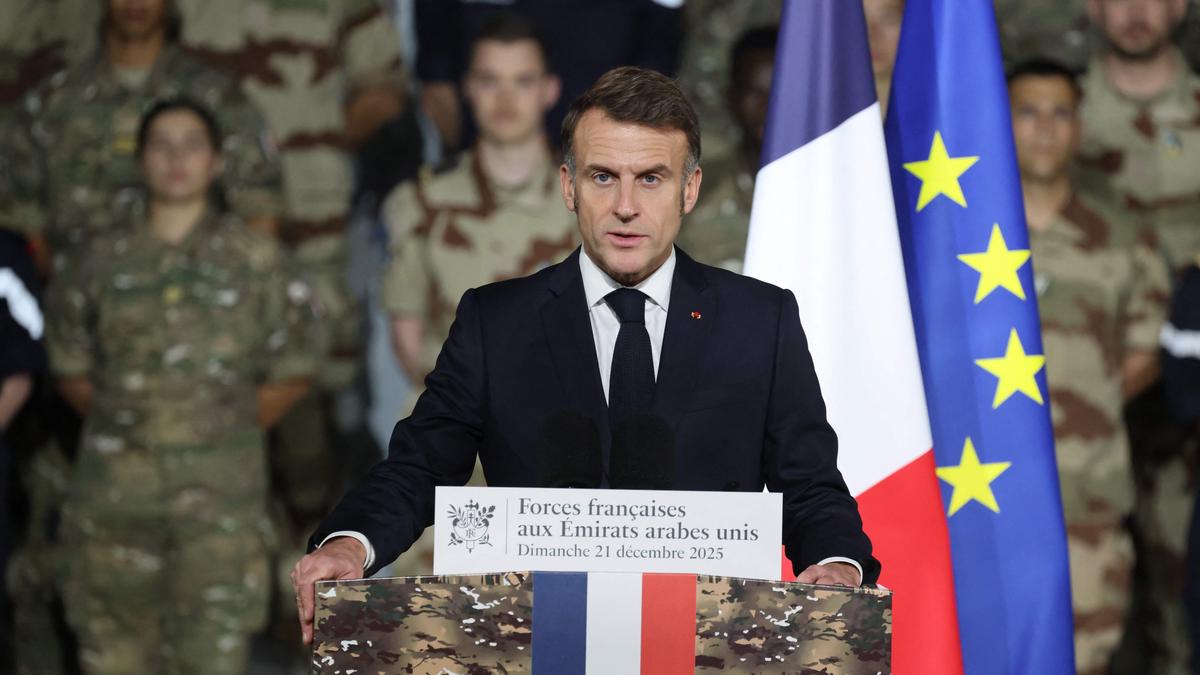
France is poised to substantially enhance its naval capabilities with the proclamation of a new aircraft carrier program. President Emmanuel macron revealed the decision while addressing French troops stationed at a military base in Abu Dhabi on December 21, 2025. This enterprising undertaking signals France’s commitment to maintaining its status as a leading maritime power on the global stage.
Why a New Aircraft Carrier? Understanding the Strategic Imperative
The decision to embark on this large-scale program wasn’t taken lightly. several factors contributed to the need for a next-generation carrier. These include the aging of the current Charles de Gaulle aircraft carrier, evolving geopolitical landscapes, and the increasing importance of sea control for safeguarding national interests.
Consider these key drivers:
* Maintaining Operational Capacity: The Charles de Gaulle is approaching the end of its service life, necessitating a replacement to ensure uninterrupted carrier-based air power.
* Projecting Power & Influence: Aircraft carriers serve as mobile airbases,allowing France to project power and respond to crises across the globe.
* Adapting to Modern Warfare: Future carriers will be equipped with advanced technologies to counter emerging threats,including unmanned systems and cyber warfare.
* Supporting International Alliances: A robust naval presence strengthens France’s ability to collaborate with allies and contribute to international security.
Key Features and Expected Capabilities of the New Carrier
While specific details are still emerging, the new aircraft carrier is expected to incorporate several cutting-edge features. It will likely be larger than the Charles de Gaulle, enabling it to accommodate a greater air wing and advanced systems.
Here’s what you can anticipate:
* Increased Size & Displacement: A larger carrier will provide more space for aircraft, personnel, and advanced technologies.
* Next-Generation Aircraft Compatibility: The carrier will be designed to operate with the latest generation of fighter jets, potentially including the Future Combat Air System (FCAS).
* Enhanced Automation & Digitalization: Increased automation will reduce crew size and improve operational efficiency.
* Advanced Sensor & weapon Systems: The carrier will be equipped with state-of-the-art sensors and weapons to defend itself and its air wing.
* Potential for Electromagnetic Aircraft Launch System (EMALS): EMALS offers greater launch capacity and reduced stress on aircraft compared to conventional steam catapults.
Implications for France and Global Maritime Security
This new aircraft carrier program has important implications for both France and the broader landscape of global maritime security. It reinforces France’s commitment to self-reliant defense capabilities and its role as a key player in international security.
Think about these potential impacts:
* Strengthened Naval Presence: France will be able to maintain a more consistent and powerful naval presence in key regions.
* Enhanced Crisis Response Capabilities: The carrier will provide a rapid response capability for addressing crises and protecting French interests abroad.
* Increased Interoperability with Allies: The new carrier will enhance France’s ability to operate alongside allies, such as the United States and other NATO members.
* Stimulation of Domestic industry: The program will create jobs and stimulate innovation within the French defense industry.
Evergreen Insights: The Future of Aircraft Carriers
Aircraft carriers remain a cornerstone of naval power in the 21st century, despite evolving threats and technological advancements. However, their role is changing. Future carriers will need to be more adaptable, resilient, and integrated with other military assets.
Here are some enduring trends to watch:
* Rise of Unmanned Systems: Unmanned aerial vehicles (uavs) and unmanned underwater vehicles (UUVs) will play an increasingly significant role in carrier operations.
* Cybersecurity as a Critical Priority: Protecting carrier networks and systems from cyberattacks will be paramount.
* Integration with Space-Based Assets: Seamless integration with satellite communications and surveillance systems will be essential.
* Focus on Distributed Maritime Operations: Carriers will operate as part of a broader network of naval assets, rather than as isolated entities.
Frequently Asked
Keep reading