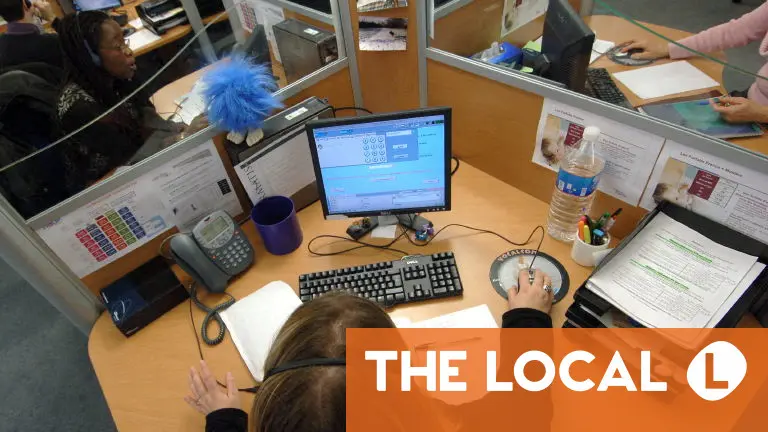
France is implementing a comprehensive ban on unsolicited sales calls starting August 11, 2025, to protect residents from aggressive telemarketing and fraudulent activity. The law, passed in June 2025, prohibits companies from making cold calls to consumers unless the individual has provided explicit, prior consent for that specific contact.
The legislation targets the persistent issue of “demarchage téléphonique,” or telephone solicitation, which has long been a source of complaint for French citizens. According to the French government, the new rules aim to shift the burden of proof from the consumer to the company, requiring firms to demonstrate that a resident opted-in to receive marketing calls.
This regulatory shift follows years of fragmented attempts to curb spam calls, including the “Bloctel” registry. However, officials noted that the opt-out system—where users sign up to not be called—was insufficient because many telemarketers ignored the list or operated from outside French jurisdiction.
How will the ban on cold calls protect residents?
The primary protection comes from the transition to an “opt-in” model. Under the new legal framework, any sales call made without a verified prior agreement is illegal. This means companies can no longer rely on “legitimate interest” or purchased lead lists to justify contacting a stranger. Residents are protected by a legal presumption that they do not wish to be contacted unless they have explicitly asked for it.

To enforce these protections, the law introduces stricter penalties for non-compliance. According to the Commission Nationale de l’Informatique et des Libertés (CNIL), the French data protection authority, companies found violating these rules face significant fines. The CNIL has the authority to levy sanctions based on the General Data Protection Regulation (GDPR), which can reach up to 4% of a company’s annual global turnover for severe privacy breaches.
The law also addresses the use of “spoofing,” where callers disguise their phone numbers to appear as local French landlines. The legislation mandates that telemarketers use identifiable numbers, making it easier for residents to report specific offenders to the government’s reporting portals.
Will the new law effectively stop spam calls?
The effectiveness of the ban depends largely on the origin of the calls. For companies based within France and the European Union, the law provides a strong deterrent through the threat of CNIL fines and legal action. Because these firms are subject to EU law, the “opt-in” requirement is enforceable through audits of their marketing databases.

However, critics and consumer advocacy groups have questioned whether the law can stop international scams. Many fraudulent calls originate from call centers in North Africa, Asia, or Eastern Europe, where French jurisdiction is limited. According to reporting on consumer fraud, these “spoofed” calls often bypass national registries and legal bans because the perpetrators operate outside the reach of French courts.
To counter this, the French government is coordinating with telecommunications providers to implement better filtering technology at the network level. This involves identifying and blocking traffic patterns associated with mass-automated dialing systems before the call even reaches the resident’s handset.
What happens to existing marketing lists?
Companies cannot simply grandfather in old lists. The June 2025 law stipulates that for a contact to be legal after August 11, the consent must be “free, specific, informed, and unambiguous.” If a company cannot produce a timestamped record of a consumer agreeing to be called for a specific product or service, the contact is considered a violation.

This creates a massive compliance hurdle for the insurance, energy, and home renovation sectors—industries that have historically relied on high-volume cold calling. Firms must now pivot to “permission-based marketing,” where they attract customers through digital ads or content, prompting the user to request a call.
Comparing the “Opt-In” vs. “Opt-Out” Systems
The shift represents a fundamental change in how France handles consumer privacy. The following table outlines the difference between the previous Bloctel-style system and the new 2025 mandate:

| Feature | Previous System (Opt-Out) | New Law (Opt-In) |
|---|---|---|
| Default Status | Call is legal unless blocked | Call is illegal unless permitted |
| User Action | Register on Bloctel to stop calls | No action needed to be protected |
| Company Burden | Check list before calling | Prove consent exists before calling |
| Enforcement | Reactive (based on complaints) | Proactive (audits and GDPR fines) |
What residents should do next
Residents are encouraged to remain vigilant even after the August 11 deadline. While legal sales calls should cease, fraudulent “phishing” calls often mimic official entities like the tax office or banks. The French government advises residents to never provide personal banking information over the phone, regardless of the caller’s claimed identity.
For those who continue to receive unsolicited calls after the ban takes effect, reports can be filed via the official government reporting channels. Documenting the time of the call and the number displayed is critical for the CNIL to build cases against violating companies.
The next major checkpoint for this policy will be the first quarterly compliance report issued by the CNIL following the August 11 implementation, which will detail the number of fines levied and the volume of reported violations.
Do you believe an opt-in system is the best way to stop telemarketing? Share your thoughts in the comments below or share this article with others who may be affected.