
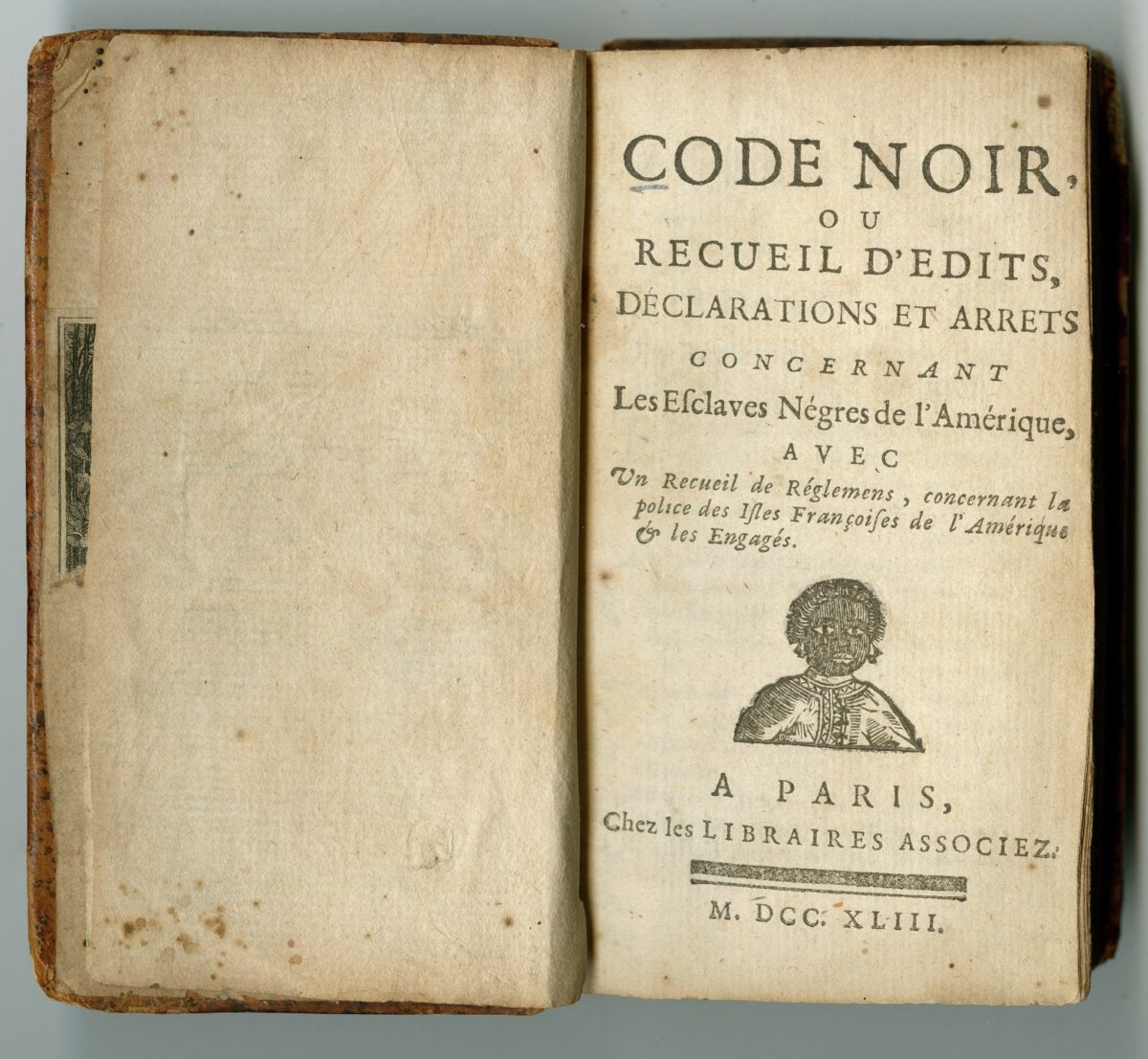
The historical legacy of the Code Noir, the 17th-century French decree that codified the treatment of enslaved people in the French colonial empire, remains a subject of intense academic and legislative scrutiny. For researchers and historians, the document serves as a somber primary source detailing the systemic regulation of human lives under colonial rule. Recent discussions in the French National Assembly have centered on the formal condemnation and symbolic removal of this legislative relic from the nation’s legal memory, reflecting a broader movement to address the historical impact of slavery and colonial policy in contemporary society.
As we analyze the intersection of historical policy and modern legislative reform, It’s essential to distinguish between the regulatory frameworks of the past and the evolving standards of human rights today. The Code Noir, initially issued by King Louis XIV in 1685, was designed to govern the condition of enslaved individuals in the French Caribbean and later expanded to other territories. By examining these historical documents, the French government continues to engage in a process of national reflection regarding the legacy of the trans-Atlantic slave trade, which was formally abolished in France in 1848, a milestone underscored by the official parliamentary archives regarding the memory of slavery.
Historical Context: The Code Noir and Its Impact
The Code Noir was not a singular document but a series of royal ordinances that defined the legal status of enslaved people. It covered various aspects of life, including religious instruction, labor requirements, and the strict limitations on the movement and legal rights of the enslaved. Historians often point to these texts as evidence of the institutionalization of dehumanization, providing a stark look at how legal systems were used to enforce colonial control.
.jpg "Code Noir")
For modern observers, understanding the Code Noir requires a careful study of the socioeconomic conditions of the 17th and 18th centuries. The French National Assembly has periodically revisited the impact of colonial-era legislation, often through committees dedicated to memorial laws, which aim to address the historical injustices committed during the period of French colonial expansion. These legislative efforts are part of a larger, ongoing effort to reconcile modern democratic values with the complex and often painful history of the French Republic.
Legislative Action and Parliamentary Debates
The recent parliamentary discussions regarding the legacy of the Code Noir are not merely symbolic. they represent a concerted effort by lawmakers to acknowledge the structural roots of past inequalities. By bringing these issues to the floor of the National Assembly, representatives aim to foster a national dialogue on the necessity of historical transparency. This process involves reviewing how past laws shaped the socio-political landscape of both mainland France and its overseas territories, where the effects of the Code Noir were most acutely felt.
The National Assembly frequently utilizes expert testimony and historical research to guide its decisions on memorial legislation. This approach ensures that any formal stance taken by the government is grounded in verified historical inquiry rather than mere political rhetoric. The focus remains on the preservation of historical memory, ensuring that the dark chapters of the nation’s past are documented accurately and understood by future generations.
Key Considerations for Contemporary Policy
- Historical Transparency: The commitment to maintaining public access to colonial records ensures that scholars and citizens alike can examine the mechanics of the Code Noir.
- Educational Initiatives: Integrating the history of slavery and colonial law into the national curriculum remains a priority for the French Ministry of Education.
- Institutional Reform: Discussions continue regarding the role of state institutions in acknowledging and addressing the long-term socioeconomic disparities inherited from the colonial era.
The Path Forward: Remembrance and Reconciliation
As France moves forward, the dialogue surrounding the Code Noir serves as a reminder that legislative history is never truly static. The ongoing efforts by the French government to address its colonial past highlight the importance of continuous engagement with historical truth. By acknowledging the severity of the regulations once imposed upon enslaved populations, policymakers are attempting to build a more inclusive national narrative.
For those interested in following these developments, the French National Assembly provides regular updates on committee hearings and legislative sessions related to history and memory. These records offer a transparent view of how the state evaluates its past and how it intends to shape the future of its historical discourse. We encourage our readers to stay informed by consulting official parliamentary platforms for the latest reports and documentation on these critical national discussions.
The next steps in this process will likely involve further parliamentary reviews and potential commemorative initiatives aimed at ensuring the history of the slave trade remains a central pillar of French public awareness. We invite our audience to share their thoughts on how nations should address the legislative remnants of their colonial histories in the comments below.
Keep reading