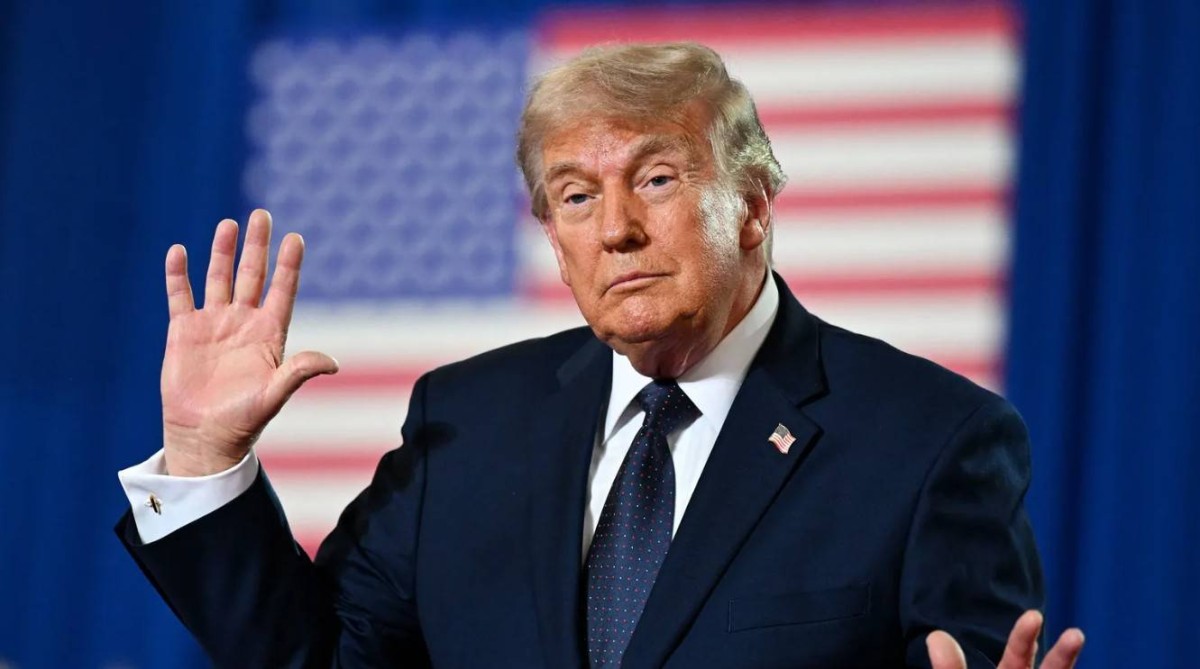
As we approach the 250th anniversary of the United States, the planning surrounding the nation’s semiquincentennial celebrations has become a focal point of intense public and political scrutiny. Recent reports indicate that Donald Trump is currently evaluating the future of proposed anniversary galas and associated events, following a series of withdrawals from high-profile artists and performers. This development has sparked a wider conversation about the intersection of partisan politics, national commemoration, and the role of the cultural sector in public ceremonies.
The uncertainty surrounding these events—often discussed under the banner of “America 250” or related commemorative programming—highlights the logistical and reputational challenges of organizing large-scale national celebrations in a deeply polarized environment. While the planning for the July 4, 2026, milestone involves a complex web of federal agencies, private committees, and state-level commissions, the involvement of political figures often complicates the recruitment of talent. As noted by the U.S. Semiquincentennial Commission, the mandate remains to foster a non-partisan, inclusive reflection on the nation’s history, though the practical execution of such a goal remains a work in progress.
The Challenges of Organizing National Commemorations
Planning for a 250th-anniversary celebration of the signing of the Declaration of Independence is a monumental task that typically requires years of coordination. The official body tasked with this, the United States Semiquincentennial Commission, was established by Congress to plan and coordinate observances and activities. However, the current discourse surrounding potential events linked to Donald Trump reflects the broader challenges of maintaining neutrality when cultural figures are asked to align themselves with specific political platforms.

When artists withdraw from high-profile events, it often triggers a cascade of logistical hurdles, including the need to secure new talent, renegotiate contracts, and adjust marketing strategies. For any administration or organizing committee, such withdrawals are not merely public relations issues. they are operational bottlenecks that can threaten the feasibility of an entire event. The current deliberation over whether to consolidate these events or pivot to a different format underscores the vulnerability of large-scale public productions to shifts in public sentiment and talent availability.
Navigating the Intersection of Culture and Politics
Historically, American patriotic celebrations have aimed to transcend partisan divides, serving as a unifying moment for a diverse populace. However, the current environment has seen a heightened sensitivity among performers regarding the political branding of the events they participate in. The decision by various artists to distance themselves from events associated with political figures is a trend that complicates the logistics of national-level event management.
According to the latest updates from federal planning offices, the official “America 250” programming continues to move forward through established non-partisan channels. The National Park Service and other related departments remain focused on the preservation of historical sites and the development of educational exhibits that are intended to be accessible to all Americans. These official channels operate independently of private, politically-affiliated gala planning, a distinction that is often lost in the broader public narrative.
Key Factors Influencing Event Viability
- Talent Recruitment: The willingness of entertainers to perform at politically charged events continues to be a primary variable in event success.
- Public Funding vs. Private Sponsorship: The source of financial support for these celebrations often dictates the level of oversight and the nature of the programming.
- Logistical Readiness: With the 2026 deadline approaching, the ability to finalize venues and security details is critical for any large-scale public gathering.
What Happens Next?
As of this writing, there has been no official confirmation from the relevant offices regarding the cancellation of specific, privately-organized galas, though internal discussions regarding alternative configurations are reportedly ongoing. The public should look to the official news portal of the Semiquincentennial Commission for verified updates on the official federal celebrations. These updates provide the most accurate timeline for the events scheduled to take place across the United States in the lead-up to July 2026.
For those interested in the historical preservation and educational aspects of the 250th anniversary, the National Archives serves as a primary resource for information regarding the foundational documents of the United States. As we move closer to this significant milestone, the focus of national discourse is expected to shift toward the substantive themes of the commemoration rather than the administrative hurdles of event planning. We will continue to monitor the situation and provide updates as more information becomes available through official channels. If you have thoughts on how the nation should mark this historic anniversary, feel free to share your perspective in the comments below.
Related reading
- Fiona Phillips: Husband Martin Frizell Shares Rare Update on Her Alzheimer’s Journey
- Pedro Almodóvar’s “Bitter Feast”: A Bold Exploration of Art, Power, and Privacy
- The Senate Blue Slip, Explained: The Custom Trump Wants Gone (daybreakwire.com)
- Alex Jones Calls for Immediate Trump Impeachment (archyde.com)