
The global trajectory of artificial intelligence is shifting from theoretical experimentation to tangible, real-world utility. This transformation is currently on display at the 2026 World Intelligence Industry Expo in Tianjin, which runs from May 28 to May 31. The event, held at the National Convention and Exhibition Center, serves as a high-level barometer for how emerging technologies—ranging from humanoid robotics to advanced voice interaction—are being integrated into the fabric of daily economic life and societal infrastructure.
As we observe the 2026 World Intelligence Industry Expo, the focus is squarely on the practical application of artificial intelligence. With a sprawling exhibition space covering 130,000 square meters, the event has convened more than 740 prominent enterprises from the global intelligent technology sector. Unlike previous iterations that prioritized technical demonstrations, this year’s gathering emphasizes how these innovations move from the laboratory to the factory floor, the smart home, and the urban environment.
From Laboratory Prototypes to Real-World Integration
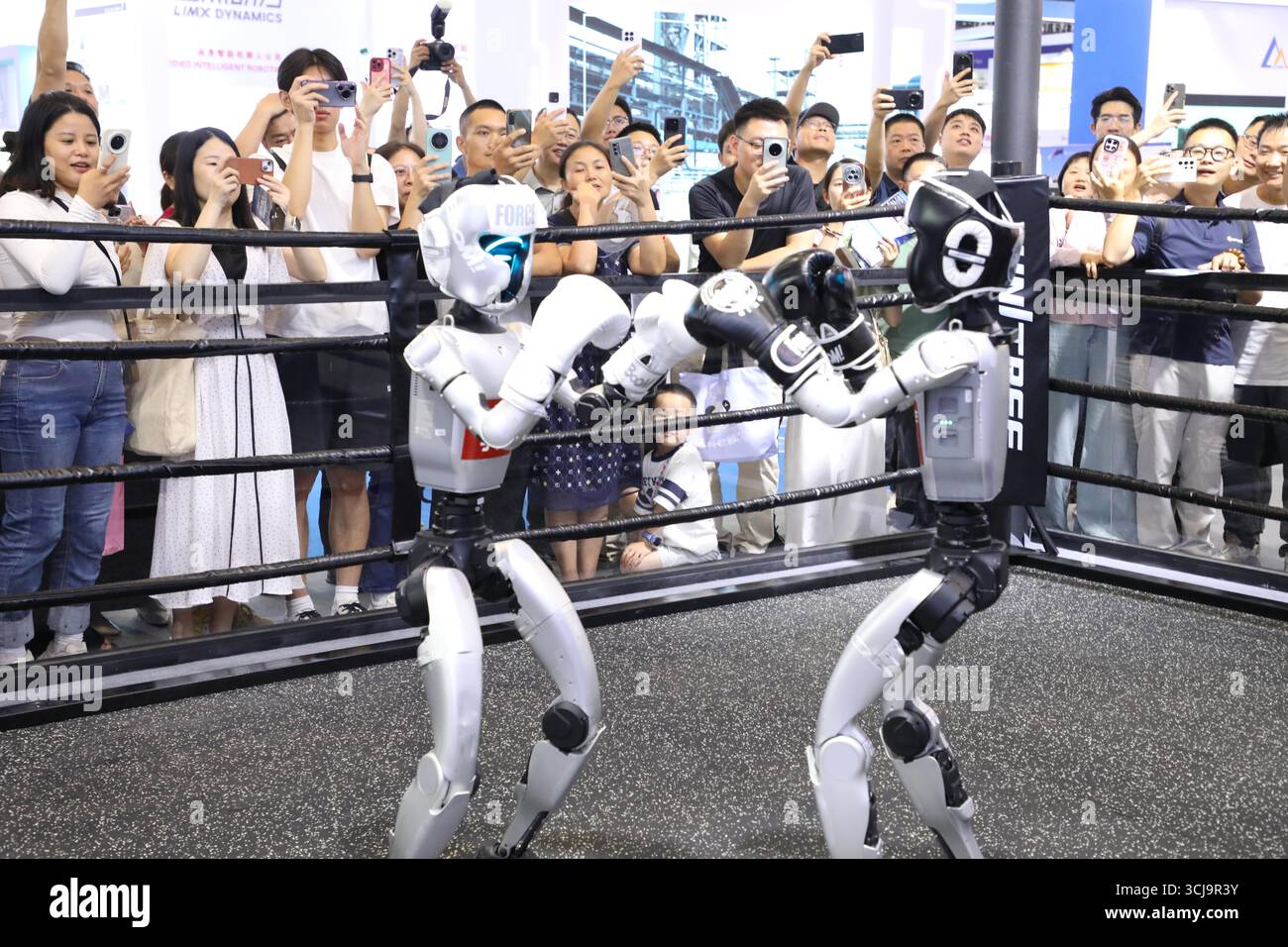
A central theme of this year’s expo is the transition of robotics and automation into functional, reliable tools. Visitors to the exhibition halls are encountering a diverse array of over 100 types of robotic systems. These are no longer mere static displays; they are being showcased in operational, real-world contexts that demonstrate their capacity to enhance efficiency across various industries.

For instance, developments in humanoid robotics have moved beyond simple movement to demonstrate complex tasks. According to official reports from the event, these machines are now capable of executing maneuvers that require both strength and agility, reflecting significant strides in motor control and embodied intelligence. These advancements are critical for the eventual deployment of robots in environments that require human-like navigation and dexterity.
The expo also highlights how AI is being embedded into consumer-facing technology to bridge the gap between complex algorithms and user experience. This includes sophisticated voice interaction systems designed to function in high-noise environments, such as smart cockpits within vehicles. These systems leverage advanced speech recognition and semantic understanding to interpret user intent even when background conditions are suboptimal, marking a definitive step toward more intuitive human-machine collaboration.
The Economic Implications of Embodied Intelligence
The integration of artificial intelligence into the economy is not limited to software; We see increasingly manifested through physical infrastructure. The expo features displays of hydrogen-powered transport solutions, which exemplify the dual-track evolution of AI-driven efficiency and sustainable energy. By combining intelligent hardware with renewable power sources, these systems aim to provide scalable, energy-efficient solutions for urban mobility.
From an economic perspective, the emphasis on “landing” technology—ensuring that products are ready for immediate market adoption rather than perpetual testing—is a significant trend. Local officials have noted that the primary objective of this year’s exhibition is to showcase technology that is prepared for future deployment, thereby signaling a maturation of the AI industry. This shift is essential for attracting the sustained investment required to move from niche innovation to widespread commercialization.
Enhancing Consumer Experiences Through AI
Beyond industrial applications, the expo provides a window into how AI is redefining consumer interactions. Technologies such as fine-grained perception and neural network structure searching are being utilized to enhance the authenticity and quality of consumer goods. In sectors like retail, these tools are being deployed to assist in the identification and verification of product characteristics, providing a layer of digital assurance that was previously demanding to achieve at scale.
The use of these technologies illustrates a broader trend: the “fusion” of digital intelligence with the physical economy. By capturing and analyzing data points that were once invisible to automated systems—such as intricate material textures or specific manufacturing signatures—AI is creating new value chains that benefit both the producer and the end consumer.
Key Takeaways for Global Stakeholders
- Focus on Utility: The 2026 expo marks a clear pivot toward the practical, scalable implementation of AI technologies across diverse sectors.
- Scale and Scope: The involvement of over 740 enterprises highlights the global nature of the current intelligence industry, with significant emphasis on cross-sector collaboration.
- Industrial Maturation: Technologies such as humanoid robotics and advanced voice recognition have moved from experimental phases to functional, real-world application.
- Strategic Alignment: The emphasis on “smart” solutions is increasingly tied to sustainability goals, as seen in the integration of hydrogen-based and other clean-energy transportation technologies.
As the 2026 World Intelligence Industry Expo concludes on May 31, the focus for the industry will shift toward the long-term monitoring of these deployments. Stakeholders are encouraged to follow official updates from the Tianjin municipal government and relevant industrial bureaus, which will continue to track the efficacy of these technologies as they transition from the exhibition floor to broader public and private use. We invite our readers to share their thoughts on these advancements in the comments section below, as we continue to cover the evolving landscape of global technology and its impact on the modern economy.
Worth a look
- Maximize Your Travel Benefits: Choosing the Right Credit Card
- Future of Cork’s Bessborough Site: Minister Norma Foley Calls for All Options Explored
- Online Weight-Loss Drug Provider Challenges Agency Over Industry Standards (archyde.com)
- China Cracks ASML Tech: Implications for Global Semiconductor Industry (archynewsy.com)